University of Adelaide develops electrochemical method to convert urea into hydrazine
en.Wedoany.com Reported - Researchers at the University of Adelaide in Australia have developed an electrochemical method to convert urea into hydrazine, an industrial chemical used in pharmaceuticals, rocket propulsion, and other fields. This research offers a new approach for low-impact hydrazine production while finding a use for urea-rich waste.
The research team, from the university's School of Chemical Engineering, used electricity and sodium chloride to drive the conversion process. The method is applicable to various urea sources, including pure urea, urea-rich wastewater, and human urine.
Hydrazine is an important industrial chemical currently also being explored for energy applications such as fuel cells and long-term space missions. However, traditional manufacturing methods rely on ammonia or urea derivatives synthesized through established processes, which require hazardous chemicals and consume significant energy, resulting in high production costs and a substantial environmental burden.
According to Dr. Pengtang Wang, the paper's first author, existing synthesis methods have been in use for decades, and developing a mild new alternative is a key step toward making hydrazine production greener and more economical. The electrochemical process designed by the researchers uses electricity to trigger chemical conversion under relatively mild conditions, with urea selected as the starting material because it is widely available in sources such as human urine. Sodium chloride generates adsorbed chlorine species on the electrode surface, which react with urea to form N-chlorourea, subsequently converted into hydrazine through a hydrolysis process, with electricity providing the energy required for the conversion.
Test results show that the technology can achieve high-yield hydrazine production. The researchers validated performance using different urea feedstocks, demonstrating that the process can handle materials beyond purified laboratory-grade urea. If the method operates efficiently at scale, using wastewater and urine as feedstocks would be particularly valuable, potentially combining waste treatment with chemical production.
However, the researchers also noted that the current system still faces technical and economic limitations, including salt accumulation and the energy required to separate the hydrazine product after the reaction. Future work will focus on reducing costs, simplifying product separation, improving continuous operation, and developing more practical reactor designs. They believe these advances could establish a sustainable hydrazine production route powered by renewable electricity.
The research was published in the journal Nature Synthesis.
Related Products

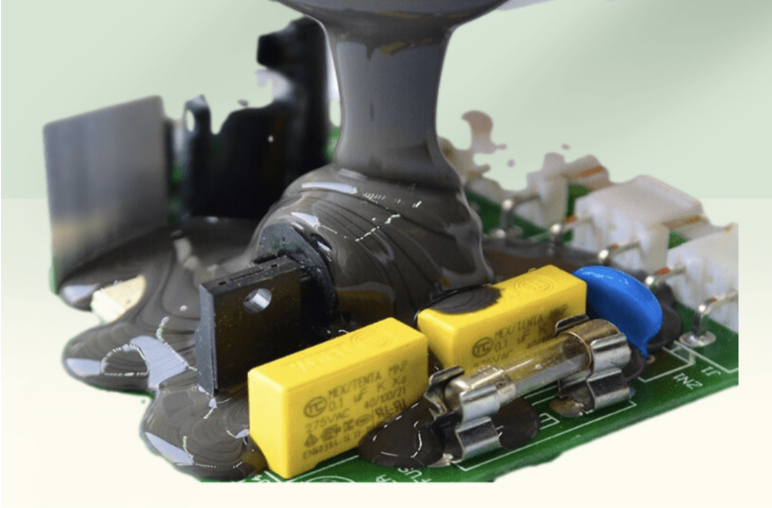
High Thermal Conductivity Encapsulating Resin
Nantong BESALL Sealing Technology Company.,Limited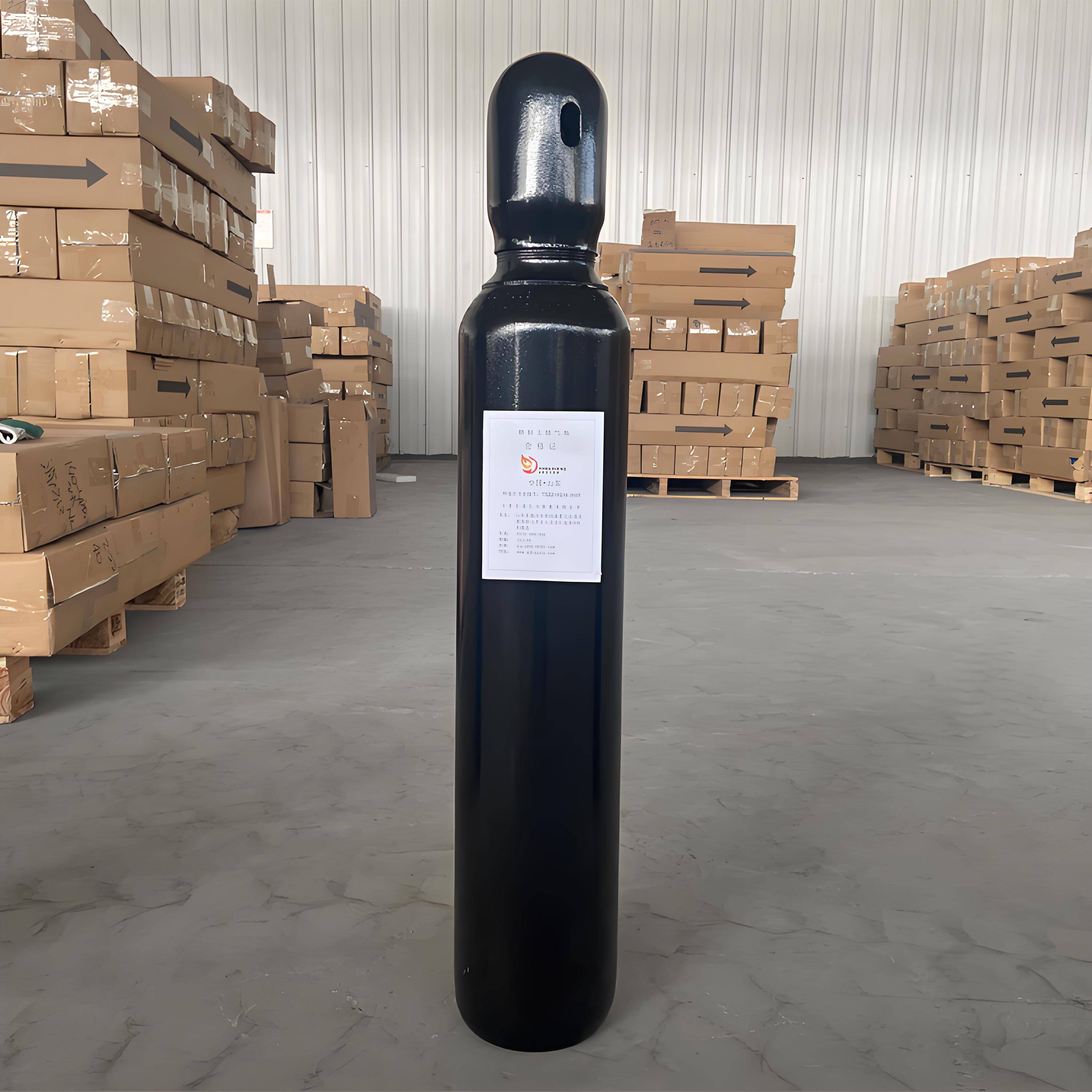
Nitrogen Export, Nitrogen Manufacturer, High-purity Nitrogen Supplier
Foshan Yuexin Industrial Gas Co., Ltd.
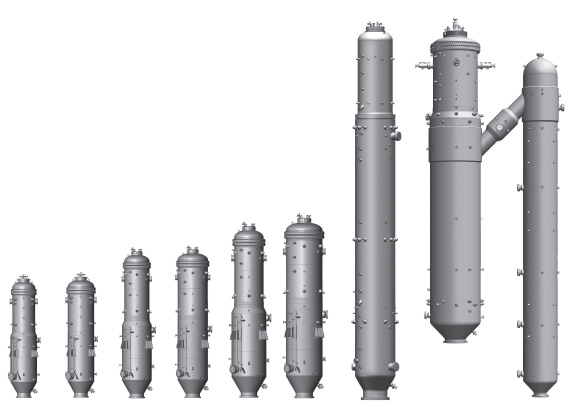
Gasification Furnace Series: Freely Combinable Aerospace Furnace
CHANGZHENG ENGLINEERING CO., LTD.
CAP1400 main feedwater flow nozzle flowmeter.
Jiangsu Hongda Instrument Technology Co., LTD.
New Environmentally Friendly Green Potassium Salt Collector
Chonfar Engineering and Technology Co., Ltd.
Industrial and Commercial Point-Type Gas Detector
Jinan Benan Technology Development Co., Ltd.