Dalipal Signs $600 Million Saudi Smart Manufacturing Base Agreement! High-End Energy Tubular Capacity "Going Global" Accelerates
en.Wedoany.com Reported - On August 24, Hong Kong-listed Dalipal Holdings officially signed the land use agreement for the Saudi Dammam Smart Manufacturing Base with King Salman Energy Park (SPARK) in Saudi Arabia, marking Dalipal's globalization strategy officially transitioning from the planning and design phase to the implementation and advancement phase.
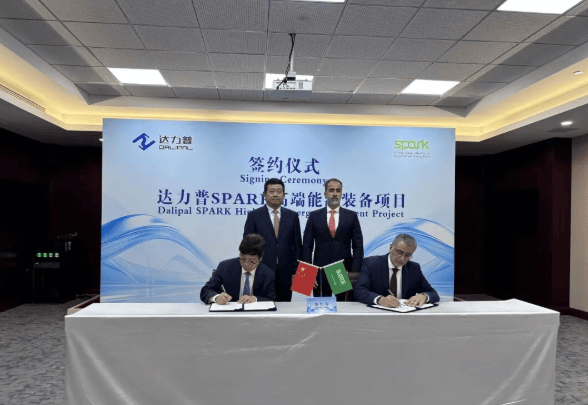
Phase I of the project involves an investment of $600 million, covering approximately 1.03 million square meters of land, with a lease term of 25 years, a designed annual production capacity of 300,000 tons, and is planned to be completed and put into operation in 2028. The lessee is Dalipal International Industries, a wholly-owned subsidiary of Dalipal, and the lessor is Energy City Development Company, a wholly-owned subsidiary of Saudi Aramco. The project will recognize right-of-use assets of approximately RMB 306 million.
The General Manager of SPARK stated at the signing ceremony that this project is of a grand scale, covering approximately 1 million square meters of land, which will pave the way for Dalipal to establish a large-scale high-end energy equipment manufacturing project and R&D base.
From Qualifications to Orders to Capacity: A Complete "Going Global Trilogy"
Dalipal's Saudi expansion is not starting from scratch, but follows a clear, progressive path.
Qualifications First. In early 2026, Dalipal's products passed all tests for Saudi Aramco's trial-use indicators, and in May, it was officially approved as an unrestricted supplier to Saudi Aramco, possessing full qualifications to participate in various procurement projects.
Order Validation. Concurrent with the qualification approval, Dalipal secured an initial annual order of approximately 49,000 tons from Kuwait Oil Company (KOC), 3.6 times the volume from the same period last year; subsequently, it received an additional order of approximately 10,000 tons from the Egyptian General Petroleum Corporation (GPC), a year-on-year increase of 43%. In fiscal year 2025, the company's operating revenue in the Middle East region was approximately RMB 333 million, a year-on-year increase of 40%.
Capacity Implementation. The implementation of this $600 million smart manufacturing base will upgrade overseas order advantages into localized manufacturing capability advantages, significantly shortening delivery cycles and reducing cross-border logistics costs.
Four Strategic Implications: From Trade Export to Capacity Export
Meng Fanyong, Chairman of the Board of Dalipal, stated that this move carries four strategic implications: First, it completes the physical implementation of overseas capacity, opening a medium-to-long-term second growth curve; second, it deeply aligns with China-Saudi energy industry cooperation, upgrading from product trade to an overall export of technology, capacity, and management; third, it seizes the new track of hydrogen energy tubular products, with the base simultaneously planning hydrogen transportation pipe capacity, aligning with the Middle East's hydrogen development trend; fourth, it builds a global supply chain risk hedging capability, forming a production capacity pattern with mutual backup between domestic and international operations.
Once the Saudi base is operational, Dalipal will upgrade from product export to local production, directly serving the Middle East and Africa markets and fulfilling the long-term procurement needs of leading customers such as Saudi Aramco and Kuwait Oil Company.
Insights on Going Global: Three Signals Worth Noting
First, the localization manufacturing window under Saudi Arabia's "Vision 2030" is accelerating. From obtaining Saudi Aramco supplier qualification to signing a 25-year long-term land lease, Dalipal completed the closed loop from "qualification certification" to "capacity implementation" in less than a year. Saudi Arabia is transforming "localization rate" from a policy requirement into a real order threshold, and companies that complete localized capacity deployment first will gain a first-mover advantage.
Second, the progressive "qualification-order-capacity" path for going global is worth emulating. First obtain qualifications, then secure orders, and finally implement capacity—each step is validated by the market. This "customers first, factory second" model significantly reduces the risks of heavy overseas asset investment.
Third, the Middle East hydrogen energy tubular product track is forming a new growth pole. Mega-projects such as Saudi Arabia's NEOM green hydrogen project and ACWA Power's hydrogen initiatives are releasing demand for tubular products. The dual-track layout of traditional energy equipment and new energy tubular products is becoming the core competitiveness of Chinese energy equipment companies in the Middle East market.
As the $600 million smart manufacturing base unfolds its blueprint at Saudi Arabia's SPARK, with 1.03 million square meters of industrial land secured under a 25-year long-term lease and a designed annual production capacity of 300,000 tons targeting a 2028 commissioning goal—Saudi Arabia's "Vision 2030" is extending from infrastructure investment to upstream materials manufacturing, and the Middle East story of Chinese energy equipment companies is shifting from "selling products" to "building capacity."
Related Products

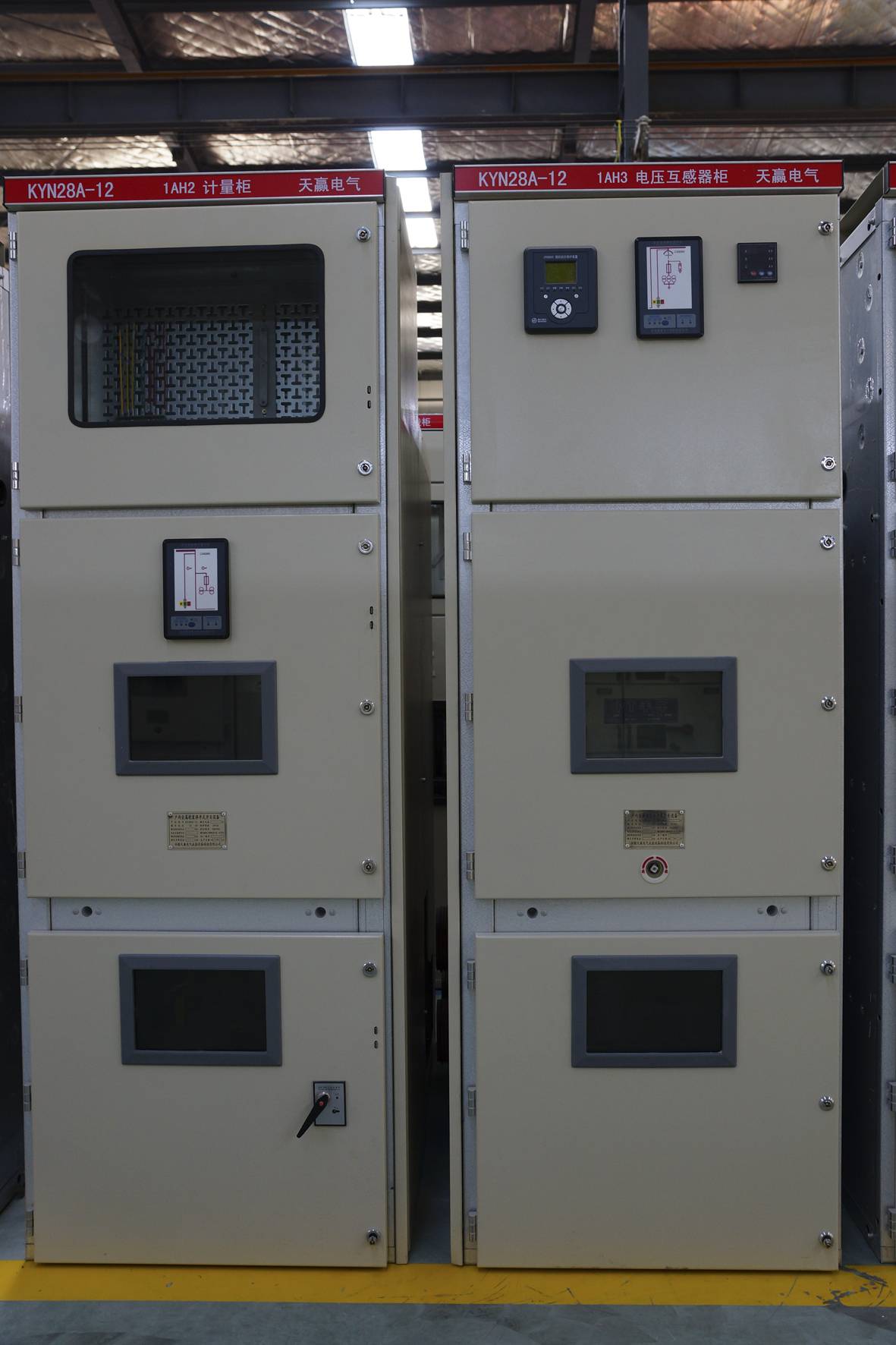
KYN28 - High Voltage Switchgear
Anhui Tianying Electrical Equipment Manufacturing Co., Ltd.
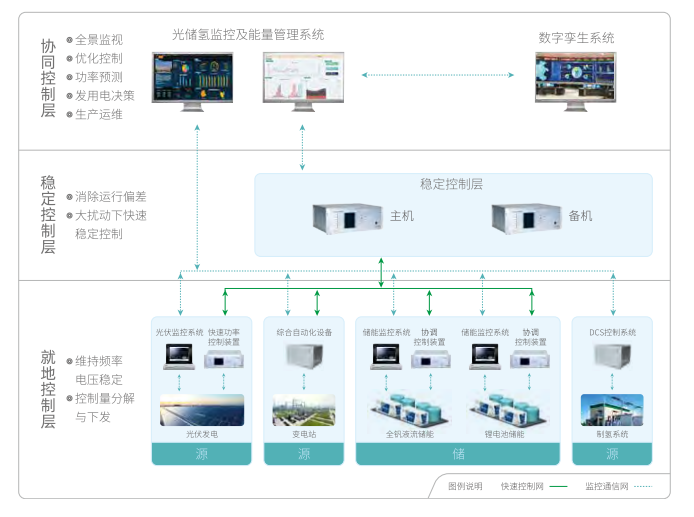
Smart Photovoltaic Prefabricated Substation
Shanghai Jinyou Jinhong Intelligent Electric Co., Ltd.
Off-Grid Fuel Cell Supercharging Station (180kW Configuration)
Shanghai REFIRE Group Limited
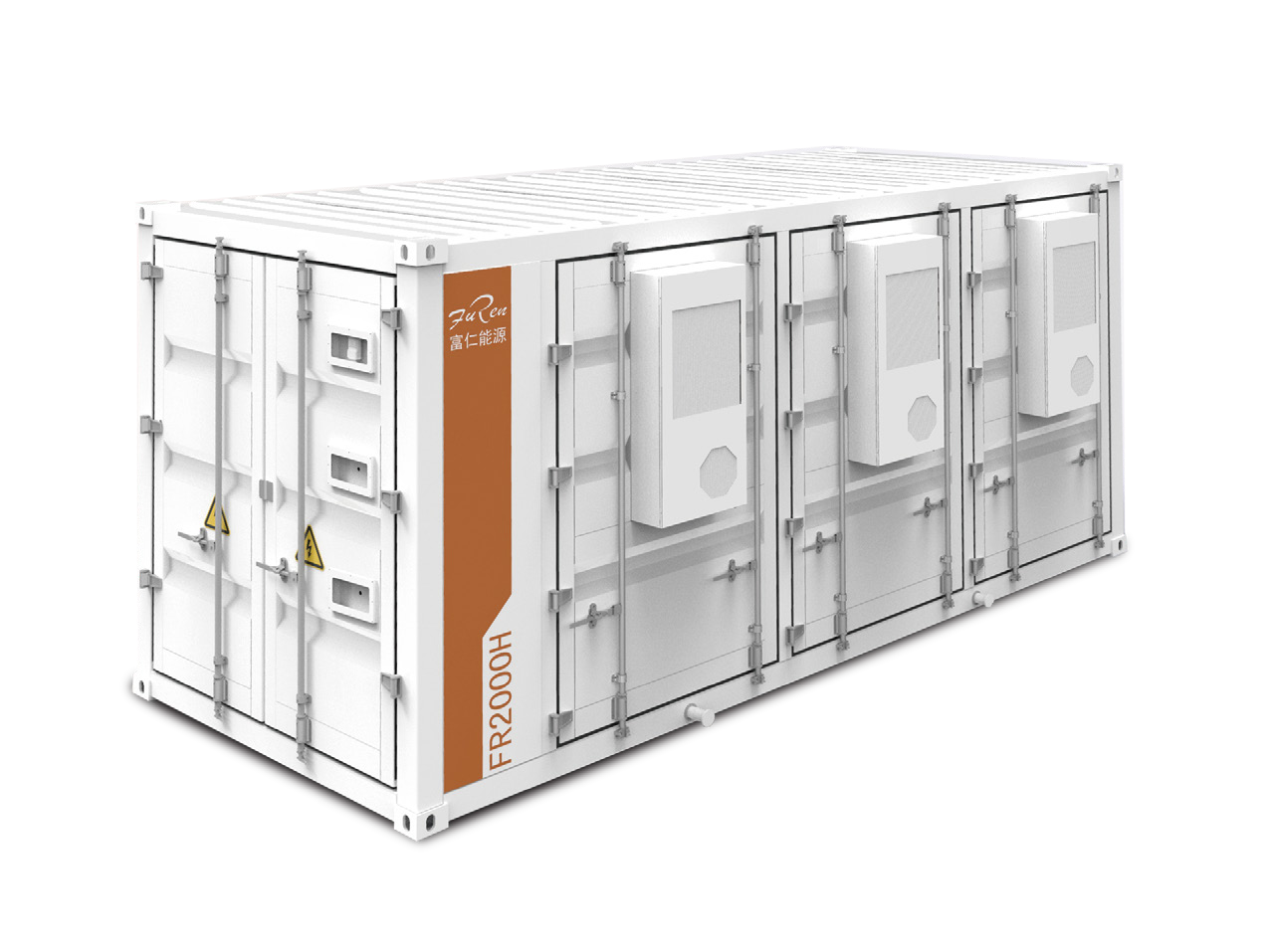
FR2000H 2.15MWh (Air-cooled) 20-foot Containerized Energy Storage System
Jiangyin Furen High-tech Co., Ltd.
IGBT Hydrogen Production Power Supply - High Power Air Cooling
Beijing Zhengzhuo Engineering Technology Co., Ltd.
VEG-12/24/40.5 Series Vacuum Circuit Breaker
SHANGHAI PINGGAO TIANLING SWITCHGEAR CO., LTD.