Venezuela's crude oil exports reach 1.25 million barrels per day in 2026, refining investment shifts overseas
en.Wedoany.com Reported - Venezuela's crude oil exports have recovered faster than its domestic processing capacity. In August 2026, Venezuela's crude oil exports reached 1.25 million barrels per day, the highest monthly level since 2018; the domestic refining network has a nominal capacity of 1.3 million barrels per day, with utilization at just 27%. The widening gap between export growth and underutilized domestic installations is pushing international downstream investment toward other parts of the Western Hemisphere—investors seek access to Venezuelan crude while minimizing exposure to risks within Venezuela itself.
International investors are attempting to re-enter Venezuela through a structure: processing facilities located outside Venezuelan jurisdiction, with onshore activity kept to a minimum. Eric Smith, deputy director of the Tulane Energy Institute, told Prospect that this model is already emerging, with "early investments set to minimize onshore activity."
Two European oil companies have already demonstrated a similar approach in natural gas upstream. Shell previously participated in the Dragon gas field project with reserves of 4.2 trillion cubic feet, and in June 2026 obtained a development license for Phase 1 of the Loran gas field. BP was approved in August as operator of Loran Phase 2, partnering with Abu Dhabi's XRG and Qatar's UCC. Both companies jointly own the Atlantic LNG facility in Trinidad and Tobago, and none of these agreements require significant infrastructure construction within Venezuela—the value-capture segment remains outside the country's regulatory and fiscal jurisdiction.
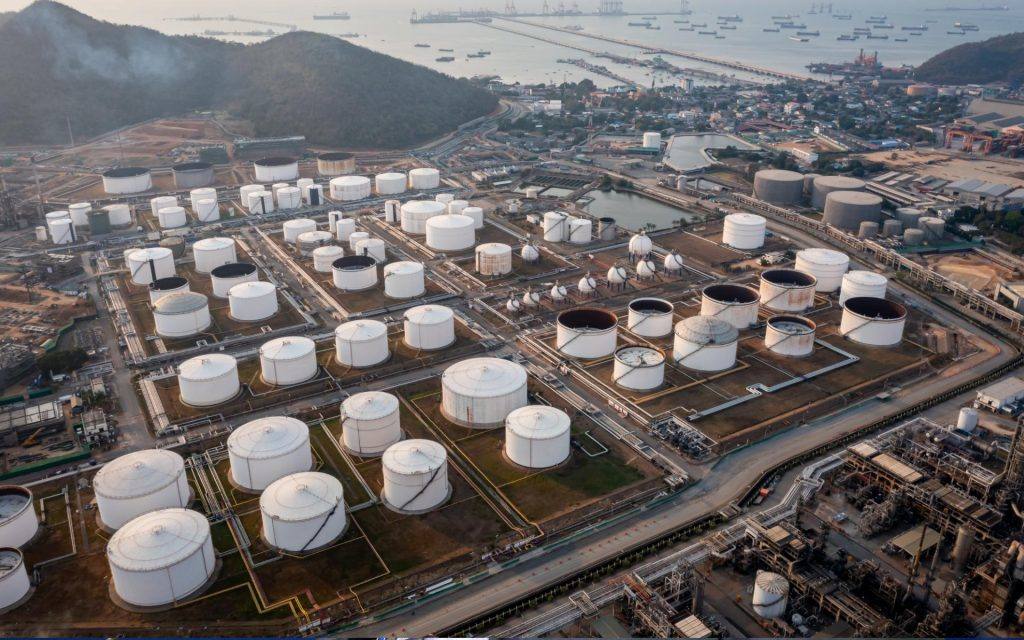
Similar dynamics are emerging in refining. Smith noted renewed interest in restoring the former Hess refinery in St. Croix and the former Shell refinery in Aruba, both historically configured to process Venezuelan heavy crude and located outside Venezuelan jurisdiction. St. Croix, once planned as a 650,000-barrel-per-day project, is now attracting attention from private investors and the White House. "In these cases, little to no investment is needed inside Venezuela itself," Smith said.
The scale of the domestic downstream gap explains why capital is flowing elsewhere. The Paraguaná Refining Center, the largest refining complex in the Western Hemisphere, has a processing capacity of 955,000 barrels per day, yet as of April 2026 only four crude distillation units were operating, processing approximately 237,000 barrels per day. Smith noted that no foreign government, including the United States, has provided guarantees to support domestic refinery restoration. Without corresponding investment in domestic refining and upgrading capacity, Venezuela's growing crude output will rely increasingly on overseas processing facilities.
The U.S. Gulf Coast refining industry has a ceiling on its absorption of Venezuelan heavy crude. In April 2026, Chevron exported 308,000 barrels per day from Venezuela, with Gulf Coast facilities designed to process heavy grades serving as the primary recipients. Smith said the Gulf Coast could absorb roughly another 1 million barrels per day via tankers, but Venezuelan crude is unlikely to displace most Canadian heavy crude imports.
The extra-heavy crude from the Orinoco Belt further compounds logistical constraints. The Merey 8 grade produced in this belt requires imported diluent to blend into exportable Merey 16. Smith explained that shipping diluent to Venezuela on a Suezmax tanker, blending it with Merey 8, and shipping back yields a net of only 500,000 barrels of Venezuelan crude per round trip—effectively doubling shipping costs. Without nearby upgrading capacity, every additional barrel of Orinoco crude comes at a greater logistical cost.
Fiscal reforms have yet to unlock downstream capital. The Organic Hydrocarbons Law was reformed in January, and implementing regulations published in July 2026 established a licensing system that, for the first time, allows private companies to operate Venezuelan refineries, ending PDVSA's monopoly. This is a necessary first step to attract the private investment needed to restore the refining network; the question is whether the fiscal and commercial terms are competitive enough.
Two provisions suggest they are not. The regulations impose a new tax of up to 5% on refineries' gross revenue, while subsidized domestic fuel prices cap the margins private operators can earn. For investors weighing the cost of restoring Paraguaná against restarting mothballed Caribbean refineries—which face no such constraints—the calculus may favor investing outside Venezuela. Unless fiscal terms improve enough to compete with the low-risk alternatives accumulating across the basin, the downstream value attached to Venezuelan crude will continue to be captured elsewhere in the region.
Related Products


Mineral-insulated Compact Busway (Fire-resistant Busduct)
Zhuhai Guangle Electric Busway Co., Ltd.
Hydrogen production and hydrogenation charging refueling gas integrated energy station
Shenzhen Kohodo Hydrogen Energy Co., Ltd.
0.66kV Power Supply Instrument Transformer
Guangdong Sihui Instrument Transformer Works Co., Ltd.
1000kV Jin Southeast-Nanyang-Jingmen UHV AC Transmission and Transformation Pilot Demonstration Project
Anhui Hongyuan Steel Tower Co., Ltd.
H-40.5/0.4~1.14kV New Energy Power Generation Dedicated High Voltage/Low Voltage Prefabricated Substation
XJ (Xiamen) Intelligent Power Equipment Co., Ltd.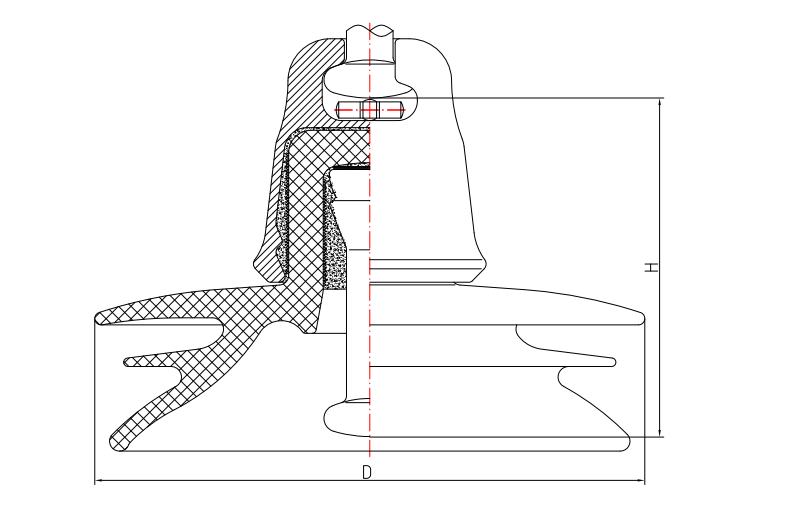
Post-type AC Pollution-resistant Disc Suspension Porcelain Insulator (Triple Umbrella Type)
Shandong High Voltage Insulator Co., Ltd.
6kV-35kV Medium and High Voltage Direct-Connected Energy Storage System
Hainan Jinpan Smart Technology Co., Ltd.
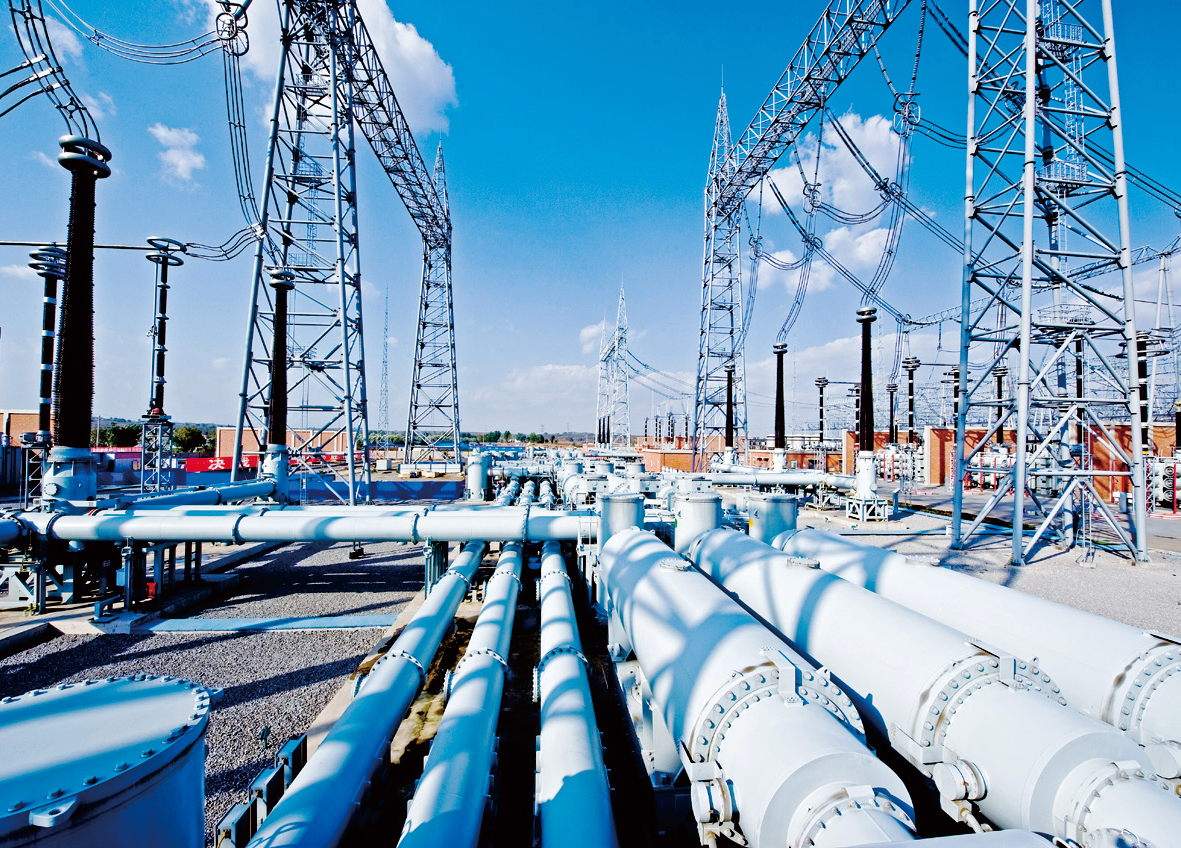
40.5kV-1100kV Gas Insulated Metal-Enclosed Switchgear (GIS)
Henan Pinggao Electric Co., Ltd.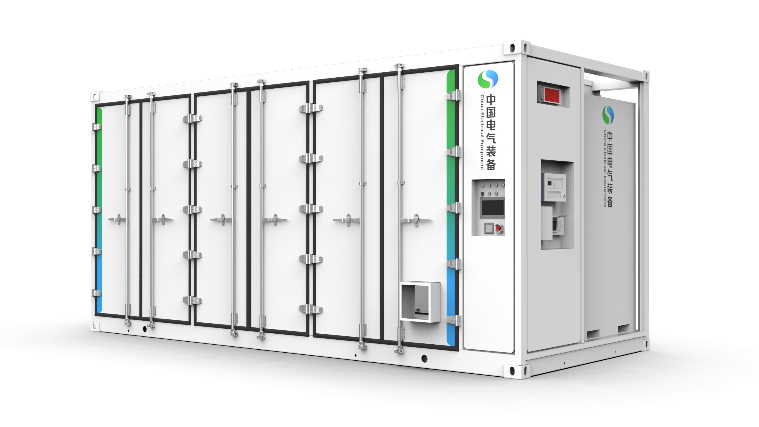
MESS8201-2507/5015-BN Prefabricated Liquid-cooled Energy Storage Battery Container
Xuchang Xuji Electric Science Energy Storage Technology Co., Ltd.