Dutch NEO NL signs FEED contracts with EDF and Westinghouse for two nuclear power units
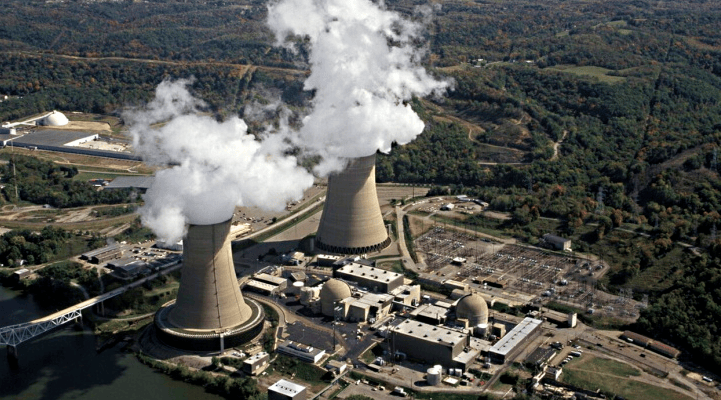
en.Wedoany.com Reported - Nuclear Energy Organization Netherlands (NEO NL) has signed Front-End Engineering Design (FEED) study contracts with France's EDF and US-based Westinghouse Electric Company to select suppliers for two Generation III+ nuclear reactor units to be built in the Netherlands. The design study is regarded as a critical step from both regulatory and technical perspectives.
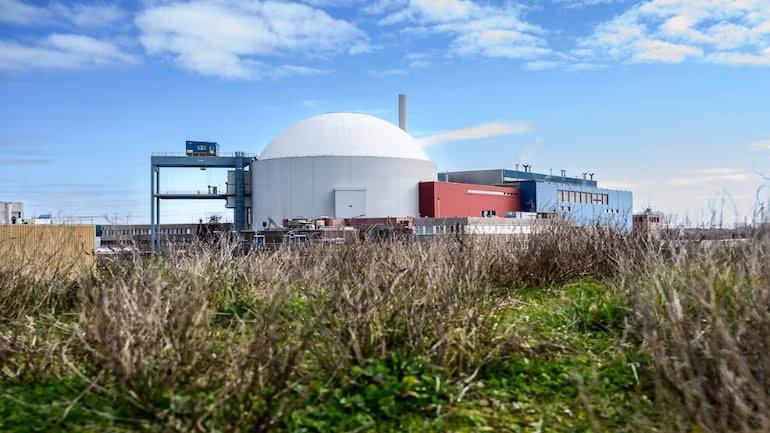
The FEED study is divided into two phases. Phase 1 (FEED 1a) is site-independent and can proceed as planned while the Dutch government advances the site selection process. Phase 2 (FEED 1b) will commence after the Cabinet approves the draft decision on the preferred site, with the focus shifting to site-specific work. Both companies will begin the first phase after the summer, assessing whether their designs, based on mature Generation III+ reactor technology, comply with Dutch legislation and regulatory requirements, including building codes, licensing conditions, technical standards, and overall project schedule, while identifying potential risks and critical issues at an early stage.
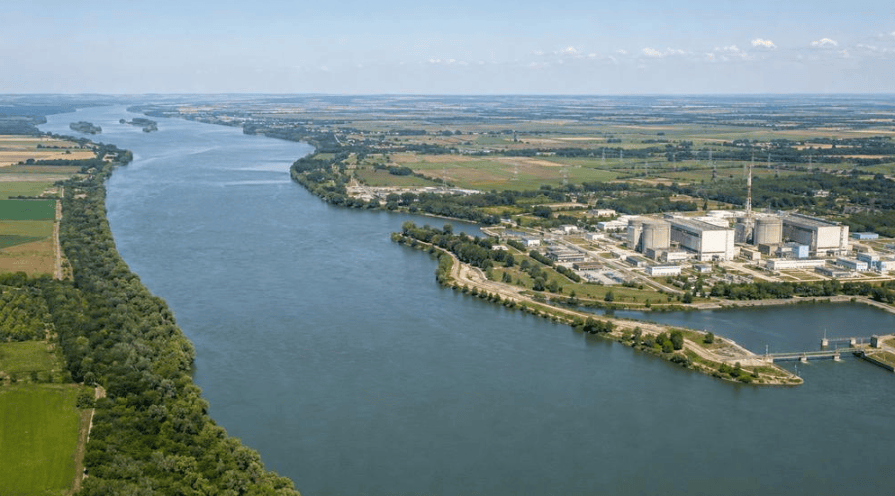
The study results will provide the foundation for nuclear power plant preparation and clarify the division of responsibilities between the future owner and suppliers. The study is expected to last 12 to 18 months, depending on when the Dutch government adopts the draft decision on the preferred site. No technology supplier will be confirmed until the formal tendering process is completed at a later stage. Each unit will have a capacity between 1000 MWe and 1650 MWe, and the Dutch government expects these units to be operational by 2035. Borssele remains the preferred site, though not yet finalized; technical studies are still underway for two other locations—Terneuzen in Zeeland province and Eemshaven in Groningen province—with a preliminary site decision planned for later in 2026.
NEO NL, established in February 2026 as a fully state-owned entity, is the sole future owner and operator of the nuclear power plants, aiming to ensure that technology selection, safety, and risk management remain under strict public control. A consortium led by US engineering firm Amentum provides overall technical solutions and management support to NEO NL throughout the entire development cycle. The design contracts narrowed the technology candidates to EDF and Westinghouse Electric, following the earlier withdrawal of Korea Hydro & Nuclear Power (KHNP). EDF submitted the EPR design, which the Dutch Nuclear Safety and Radiation Protection Authority (ANVS) assessed as robust but complex for local licensing; Westinghouse Electric's AP1000 design has been evaluated against Dutch law and local grid synchronization requirements. The FEED study builds on the early technical feasibility assessment conducted in 2024, with the goal of establishing a legally binding and safety-compliant baseline before the construction tendering phase begins.
The Dutch government is adopting a state support model similar to the Czech Dukovany project. After determining that private investors were unwilling to bear the high construction risks, the state assumed full leadership through NEO NL, funding 100% of the initial preparation and early construction phases from the budget. Once the plants are fully operational, the long-term interest rate on state financing will be structured around the Dutch government bond yield plus 1 percentage point. Between late 2025 and early 2026, the European Commission approved a state aid measure of €172 million to €222 million ($200 million to $258 million), specifically providing guarantees for early preparatory work, legal costs, and FEED contracts, without distorting the EU internal electricity market. The newly formed governing coalition has allocated €13.5 billion from the National Climate Fund to support the broader goal of building at least four new nuclear power plants.
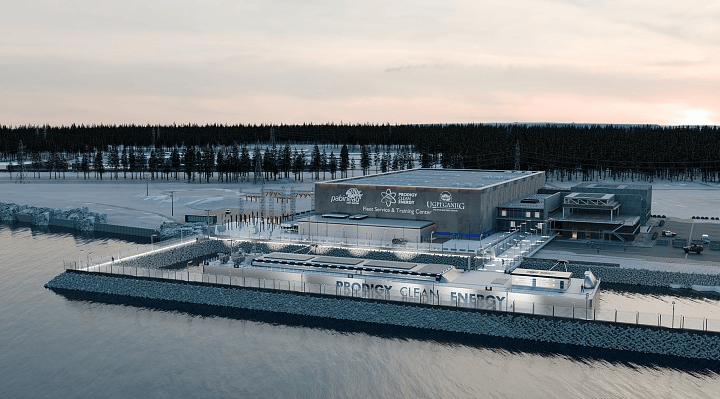
Given that large-scale nuclear power plant construction can take more than a decade, the Netherlands has also launched a parallel accelerated agenda for small modular reactors (SMRs) to address grid congestion and provide a stable, carbon-free alternative to fossil fuel power plants. The coalition agreement proposes achieving the expanded target of four new nuclear plants through a combination of conventional large units or SMRs, in direct cooperation with industrial clusters and regional authorities. The Ministry of Climate Policy and Green Growth has allocated €20 million to stimulate domestic SMR market initiatives and technology readiness; the government expects to complete the pilot identification phase by the end of 2026, selecting SMR technologies and commercial frameworks suitable for Dutch regulations. Provincial authorities are investigating potential sites, with Gelderland province expected to formally designate two local SMR deployment locations by 2027.
Private entities are also advancing related deployments in parallel. Dutch nuclear developer ULC-Energy has signed a cooperation agreement with heavy-lift specialist Mammoet to streamline supply chain and logistics for multiple future SMR deployments in the Netherlands and Belgium. ULC-Energy is also in discussions with Rolls-Royce SMR regarding potential technology deployment.
Related Products
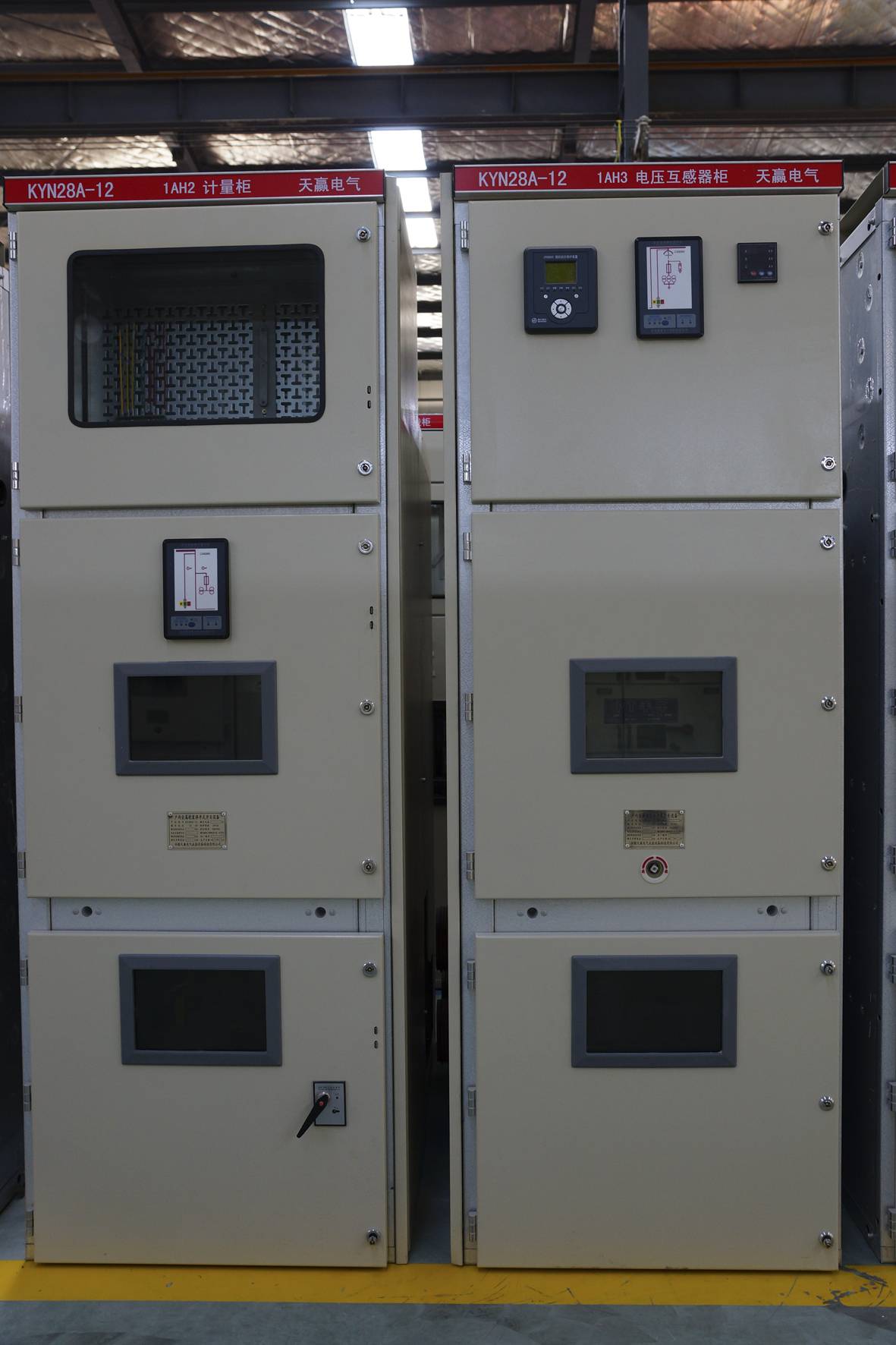

KYN28 - High Voltage Switchgear
Anhui Tianying Electrical Equipment Manufacturing Co., Ltd.
Pneumatic high-pressure wear-resistant ball valve
Zhejiang Deca Control Valve Meter Co., Ltd.
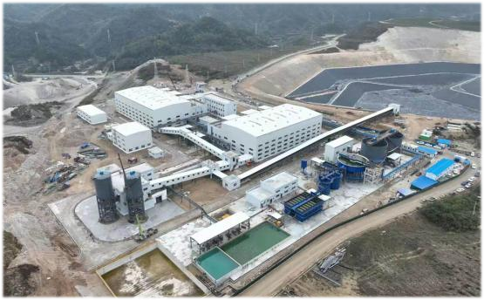
Yingping Mining Section Open-pit Tailings Backfill Treatment of Goaf Ecological Restoration EPC Project
China Bluestar Lehigh Engineering Corporation
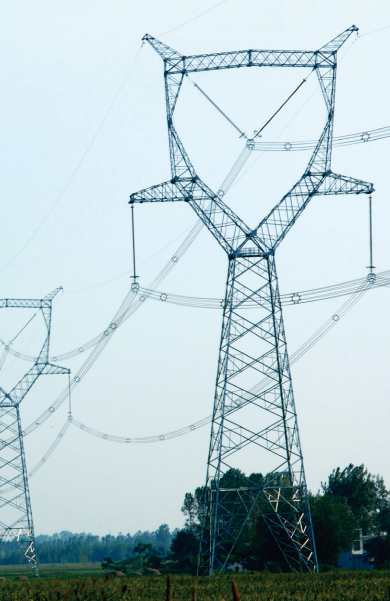
1000kV Jin Southeast-Nanyang-Jingmen UHV AC Transmission and Transformation Pilot Demonstration Project
Anhui Hongyuan Steel Tower Co., Ltd.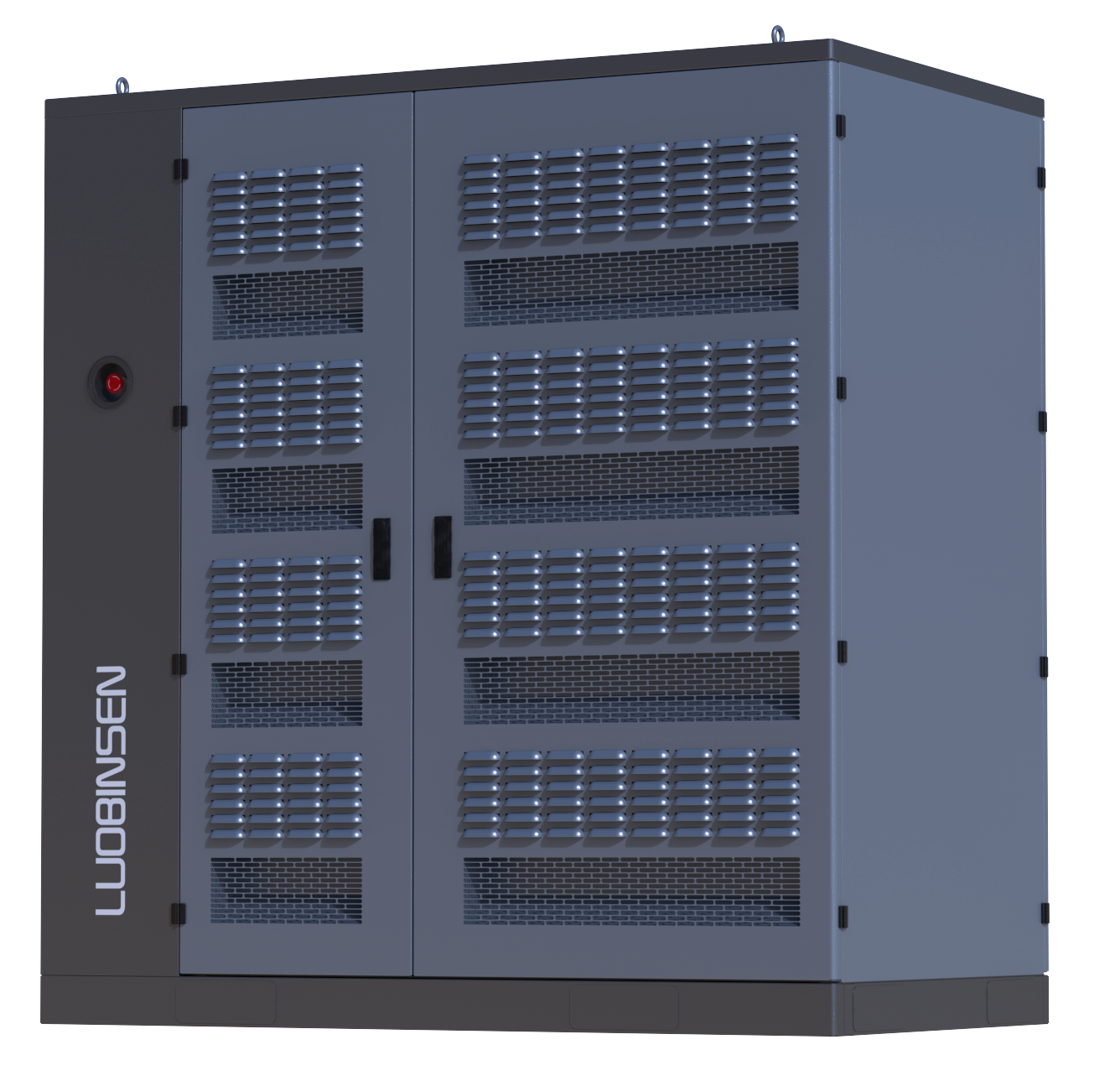
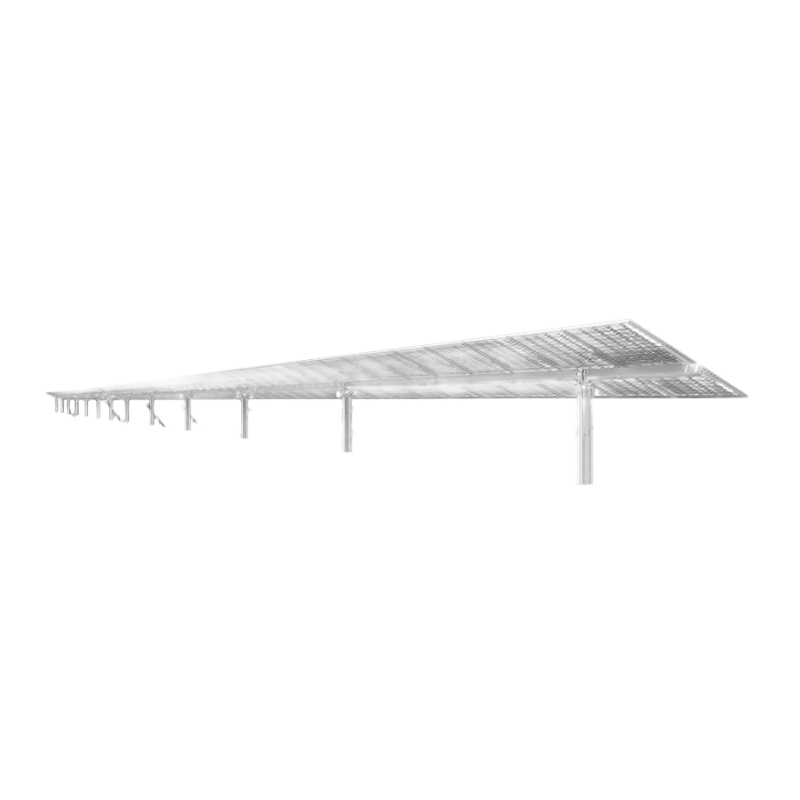
TAI Slew-drive Single-axis Independent 1P Tracking Bracket System
ANTAI TECHNOLOGY CO., LTD.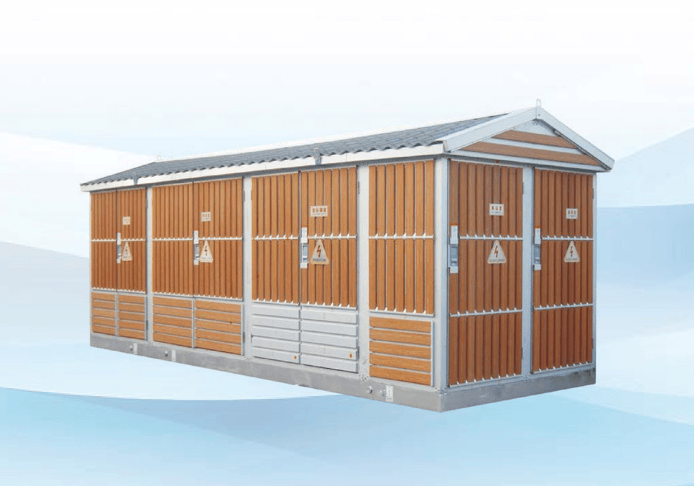
YB □ -12/0.4/1250 Outdoor Prefabricated Substation (European Style)
Shangrao Shangyu Intelligent Electric Co., Ltd.
VEG-12/24/40.5 Series Vacuum Circuit Breaker
SHANGHAI PINGGAO TIANLING SWITCHGEAR CO., LTD.