U.S. Marathon Fusion Separates Hydrogen and Lithium Isotopes with Plasma Centrifuge
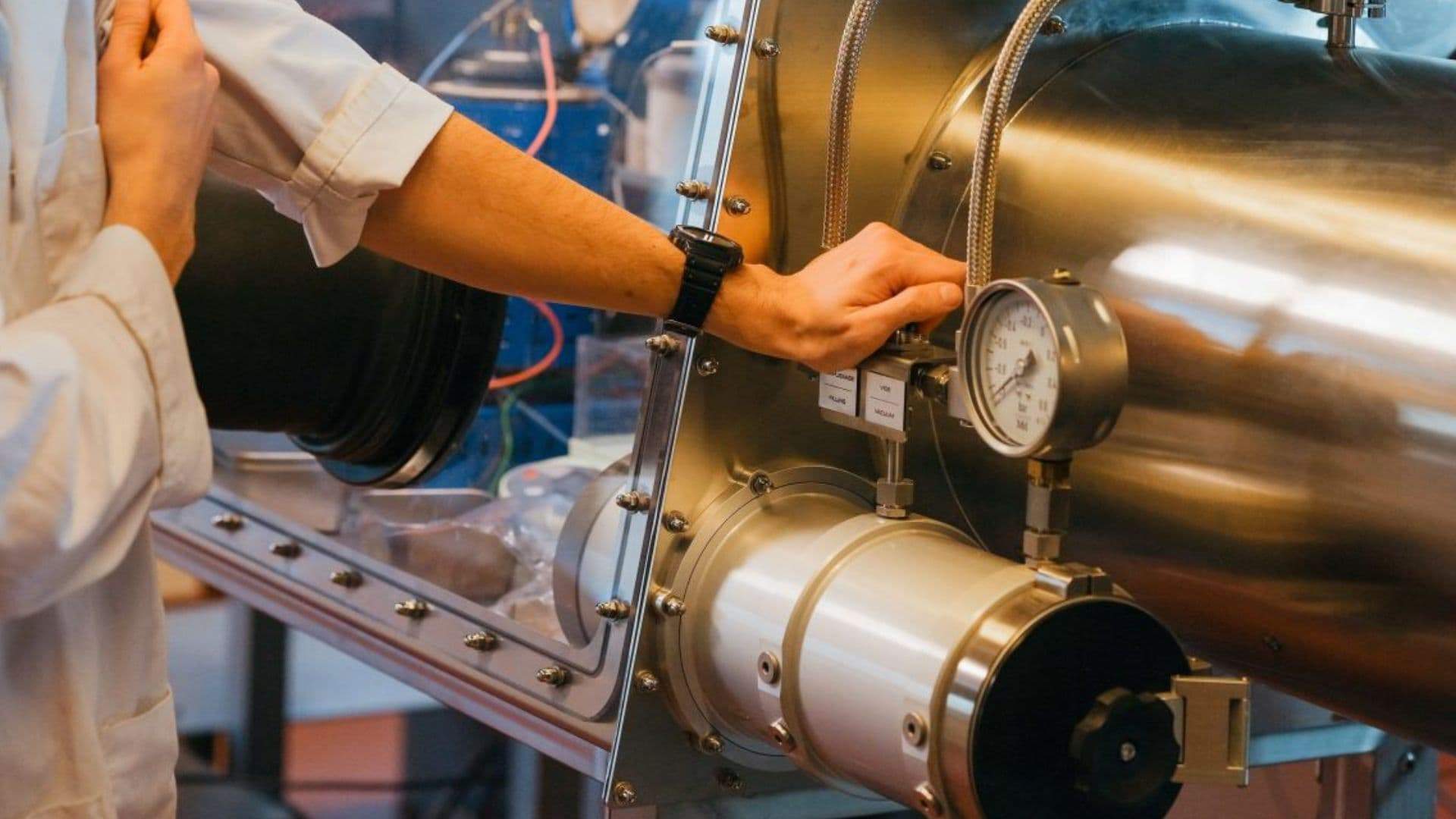
en.Wedoany.com Reported - U.S. company Marathon Fusion has announced that it has successfully separated hydrogen isotopes and lithium isotopes using a specialized plasma centrifuge. This result means that a single electromagnetic method can simultaneously handle both exhaust fuel recovery and raw material enrichment for future fusion power plants. Dennis Whyte, Professor of Nuclear Science and Engineering at the Massachusetts Institute of Technology (MIT), commented that by achieving selective tritium pumping, this technology could improve fusion plant performance and significantly reduce the required tritium inventory.
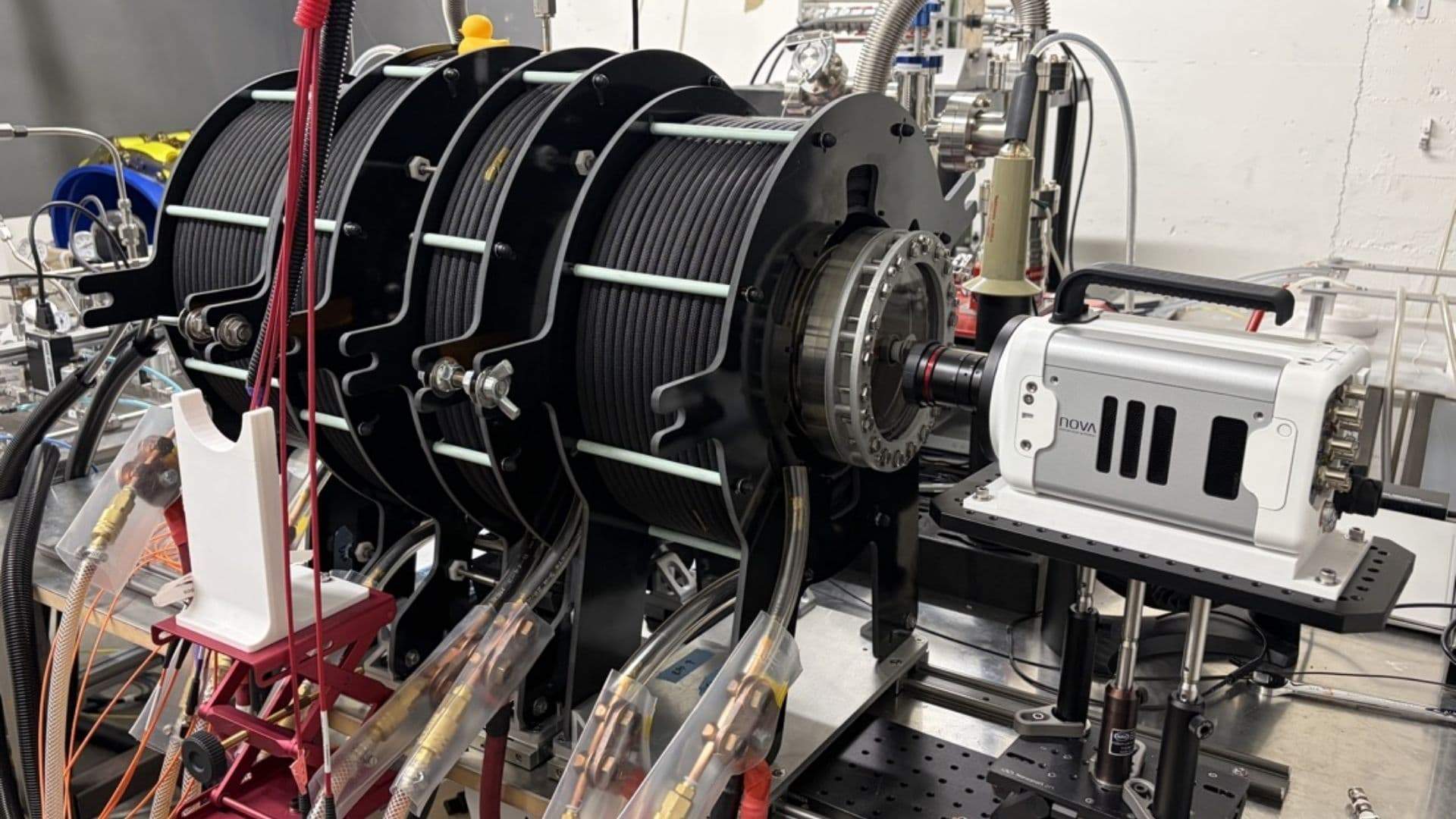
Commercial fusion power plants generate energy by fusing deuterium and tritium within a magnetic chamber, but the fuel cycle has long faced two bottlenecks. First, each reactor cycle burns only a small amount of tritium, leaving large quantities of unburned radioactive exhaust gas that requires rapid cleanup and recovery. Second, tritium does not exist in appreciable quantities in nature, so reactors must breed their own fuel by bombarding lithium-containing blankets with neutrons. Traditional gas centrifuges rely on high-speed rotating mechanical rotors to push heavier atoms outward, but light gases like hydrogen have extremely fast thermal motion, requiring rotors to reach very high speeds to achieve separation—speeds that metal or carbon fiber rotors cannot withstand under physical stress.
The plasma centrifuge offers an alternative path. When electric and magnetic forces intersect within the chamber, charged plasma particles are driven to supersonic rotation. Marathon Fusion operates the device in a partially ionized state, where only a small fraction of gas atoms are charged; these charged particles continuously collide with neutral atoms, driving the entire gas mixture into high-speed rotation. Centrifugal force flings heavier isotopes toward the chamber walls, while lighter isotopes remain in the central region, thereby achieving separation while avoiding the damage from extreme heat that plagued earlier plasma separators. When connected to the reactor exhaust line, the device can perform a task called "differential pumping," separating heavier deuterium and tritium from helium waste and lighter protium impurities before the gas reaches downstream processing plants. This direct separation approach can reduce total fuel processing equipment by more than 90% and significantly lower the amount of radioactive tritium that must be stored on-site.
The same mechanism can also be used to process lithium required for reactor coolants and breeding blankets. Liquid molten salts such as FLiBe require lithium enriched in lithium-6 to breed new tritium, or lithium-7 to cool fission systems. Currently, most of the world's enriched lithium supply relies on production in China and Russia using older chemical processes that require large amounts of toxic mercury. The plasma centrifuge offers a dry, non-chemical alternative that can completely eliminate the mercury handling step.
Experimental measurements from hardware test runs matched predictions from the company's magnetohydrodynamic computer models. With funding from the U.S. Department of Energy's ARPA-E "VISION OPEN" program, engineers are developing a multi-stage configuration of the system and plan to build a commercial pilot facility to supply enriched isotopes for future grid-scale fusion devices.
Related Products

G.652.D Wavelength-extended Non-dispersion Shifted Single-mode Optical Fiber
HONGAN GROUP CO., LTD.
Rated Voltage 6-35kV Cross-linked Polyethylene Insulated Power Cable
TONGDING INTERCONNECTION INFORMATION CO., LTD.
Overseas IEC Gateway Energy Meter - DTSD341/DSSD331-aMeter390
Wasion Group Limited Co., Ltd.
Floating Boat Water Quality Automatic Monitoring System
Hebei Sailhero Environmental Protection High-tech Co., Ltd.
Yingping Mining Section Open-pit Tailings Backfill Treatment of Goaf Ecological Restoration EPC Project
China Bluestar Lehigh Engineering Corporation
Mineral-insulated Compact Busway (Fire-resistant Busduct)
Zhuhai Guangle Electric Busway Co., Ltd.
Inductive Power Harvesting Self-Powered Device - Safuneng
SELF ENERGY TECHNOLOGY (SHENZHEN) CO., LTD.