Bangladesh Offers Rooftop Solar Incentives to Ease Power Shortages
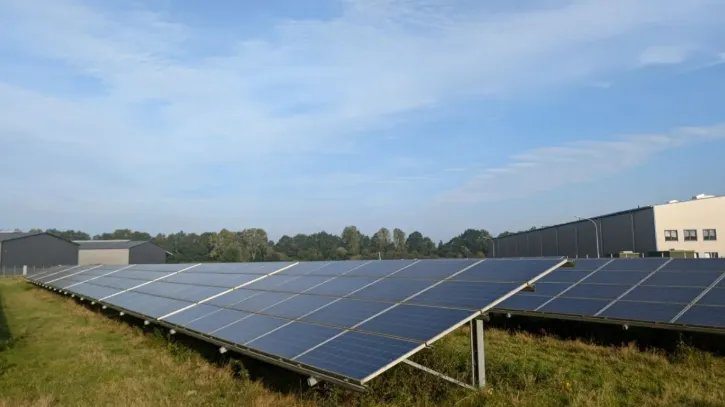
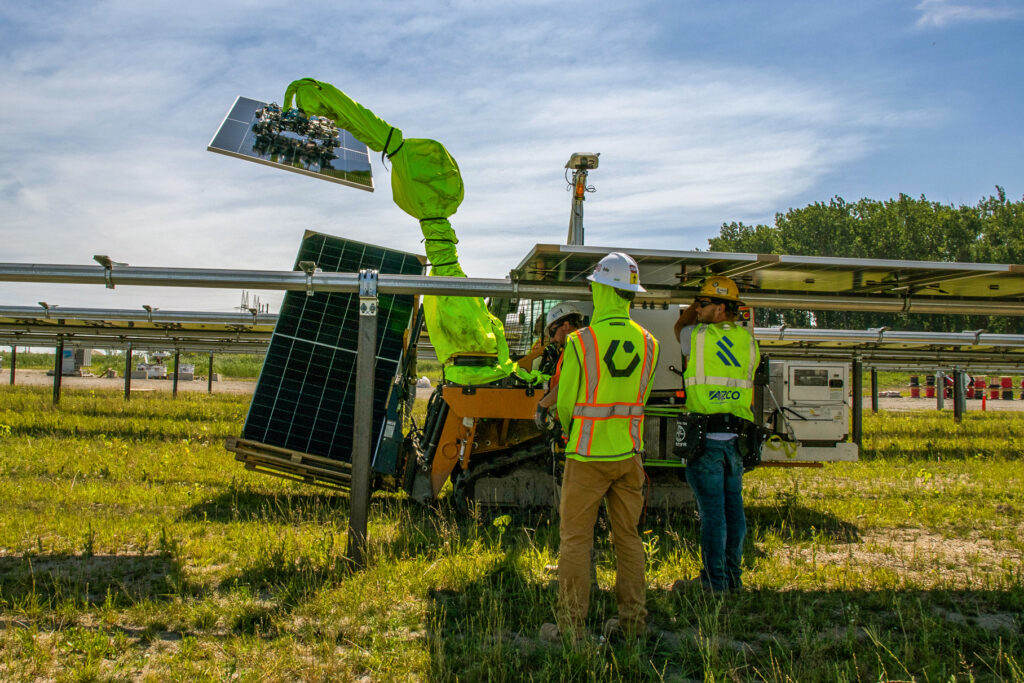
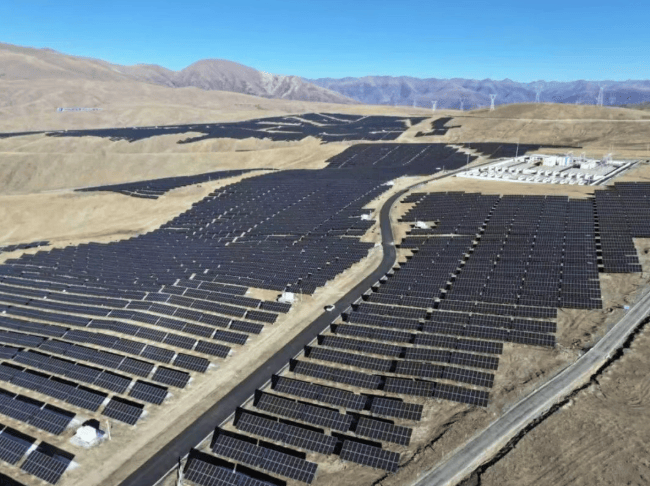
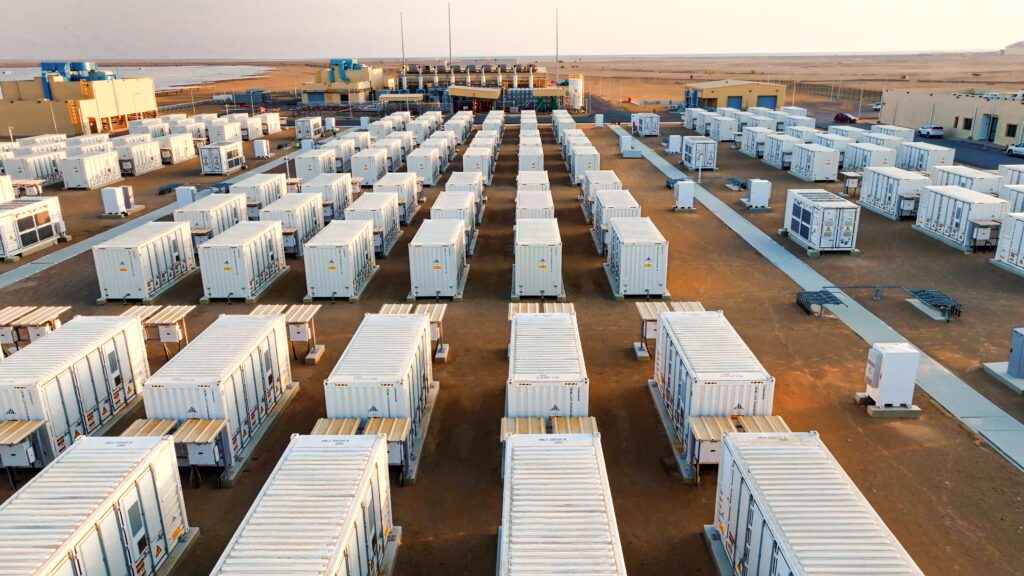
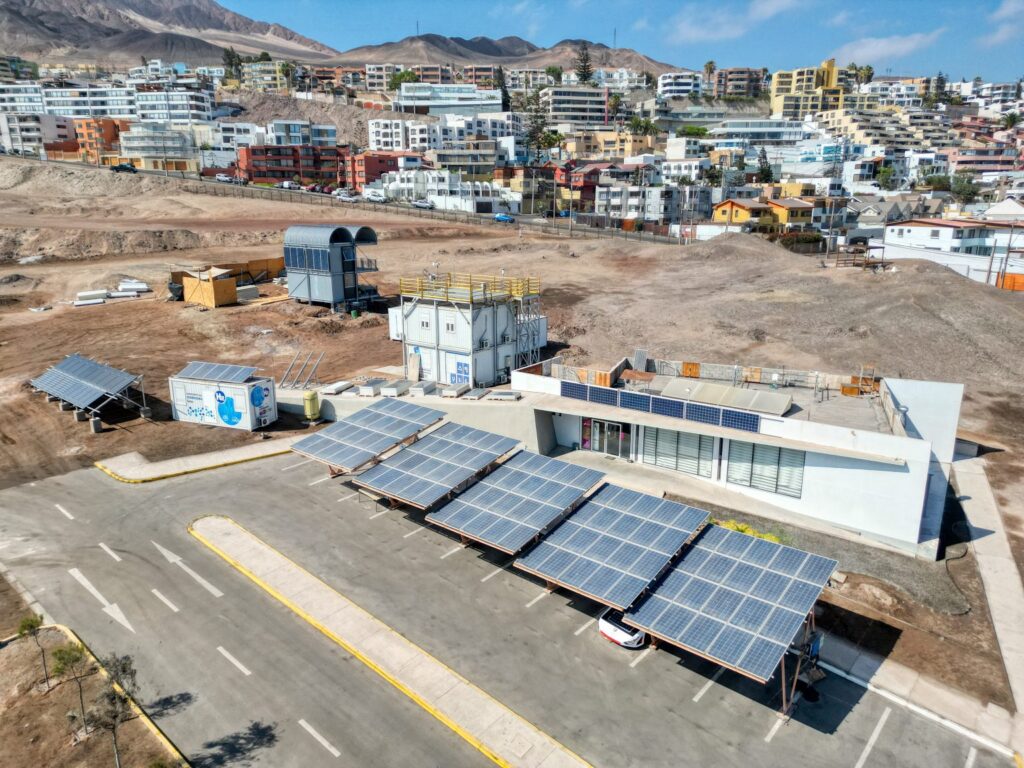
en.Wedoany.com Reported - On September 1, Bangladesh officially implemented a targeted incentive policy for rooftop photovoltaics, setting a new feed-in tariff for surplus electricity from rooftop solar systems equipped with battery storage. Users who comply with the Net Metering Guidelines 2025 and complete installation before February 28, 2027, can sell surplus electricity—after self-consumption—to the national grid at a rate of 10.50 taka per kilowatt-hour, with the policy valid until February 28, 2030. Systems installed after February 28, 2027, will no longer be eligible for this round of targeted incentives.
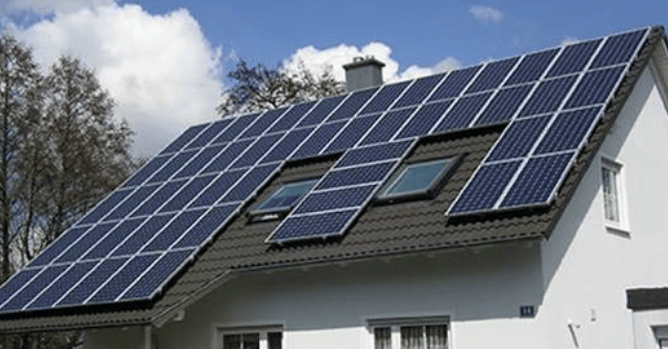
The policy caps the generation cost of battery-equipped rooftop solar at 8 taka per kilowatt-hour, and adds a 20% profit margin and an 11.25% premium on top of that cost, resulting in a feed-in tariff of 10.50 taka per kilowatt-hour. If a user's actual installation cost falls below the government-set cost cap, the savings are retained by the user. Incentive payments will be disbursed via bank accounts or mobile financial accounts, not in cash.
Under the implementation requirements, solar modules, batteries, inverters, meters, and related equipment must comply with the technical standards set by the Bangladesh Standards and Testing Institution and the Sustainable and Renewable Energy Development Authority. The current net metering mechanism covers eligible electricity consumers at low, medium, high, and extra-high voltage levels, with rooftop solar AC output capacity allowed up to 100% of the user's allocated load; after obtaining installation approval from the distribution company, users are generally required to complete system construction within 8 months.
On September 2, the Bangladeshi government further confirmed that key equipment such as solar modules, inverters, and batteries may be exempt from customs duties, regulatory duties, supplementary duties, advance income tax, and an additional 2% advance income tax upon meeting specified conditions. The government has also launched a national rooftop solar program covering facilities such as government buildings, educational institutions, and hospitals.
Bangladesh's peak power supply shortfall in August approached 4,000 megawatts, with natural gas shortages preventing some power plants from operating at full capacity, while coal and fuel oil supplies were also constrained. The country's current renewable energy installed capacity stands at approximately 1,559 megawatts, most of which is solar; it plans to increase renewable energy generation to about 5,500 megawatts by 2030, accounting for roughly 20% of national power output, with the share further rising to 30% by 2040.
Related Products

Modular Multifunctional Water Supply and Drainage Vehicle (18T)
Changsha Dewater Machinery Technology Co., Ltd.
Oil-immersed Amorphous Alloy Core Distribution Transformer
Pinggao Group Smart Electric Co., Ltd.
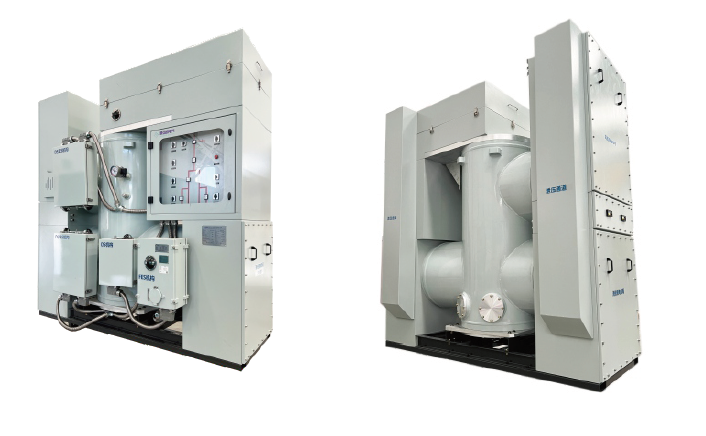
72.5kV 1250A 31.5kA SF6 free Gas-insulated Metal-enclosed Switchgear
Zhejiang Juhonkia Intelligent Electric Co., Ltd.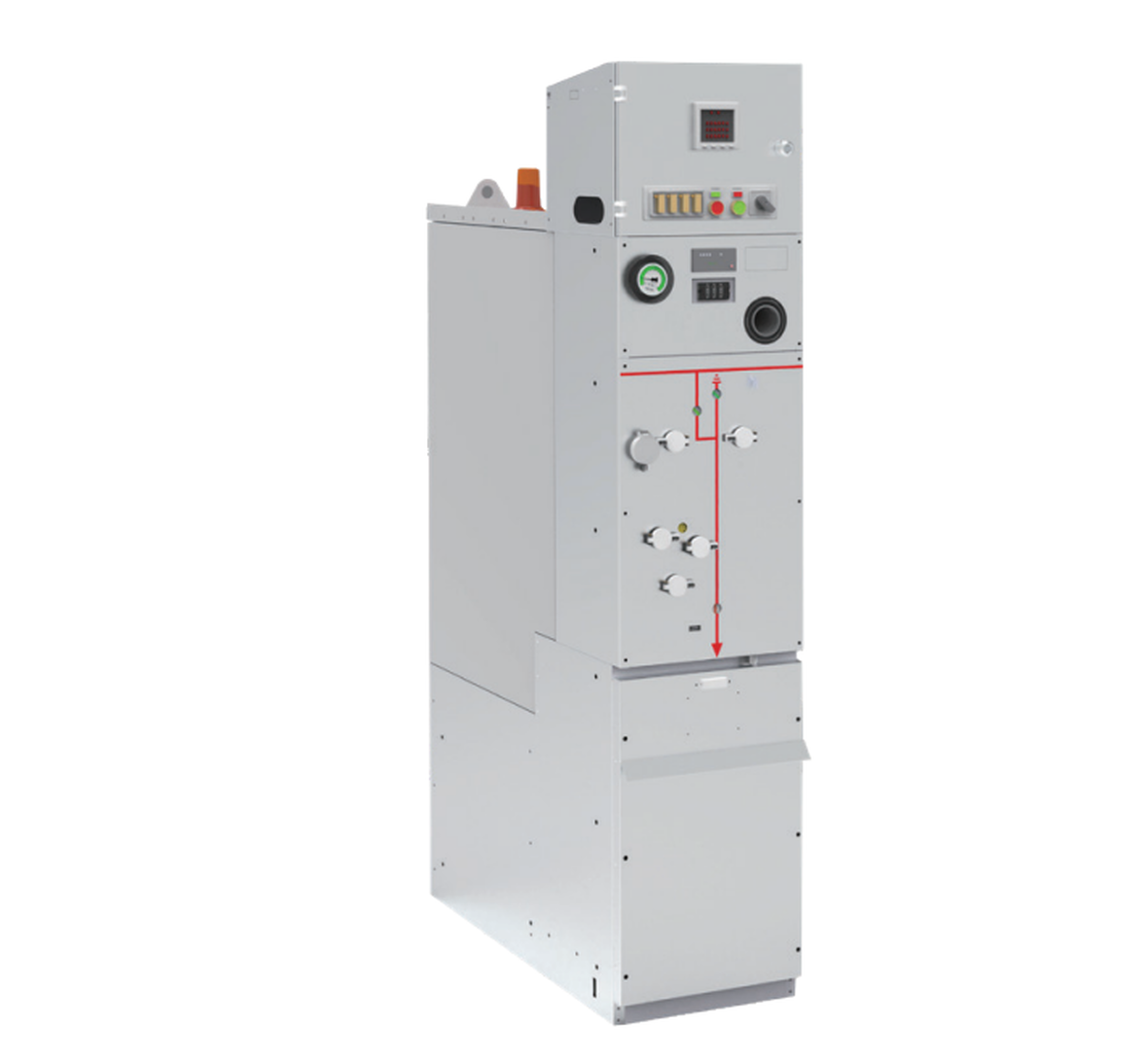
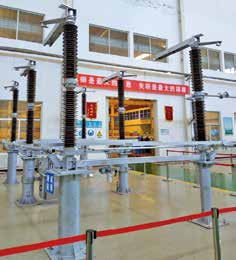
GW4-40.5/72.5/126/145/170/252/363/420 Series Double-column Horizontal Rotary High-voltage AC Disconnect Switch
SHANDONG TAIKAI DISCONNECTORS CO., LTD.