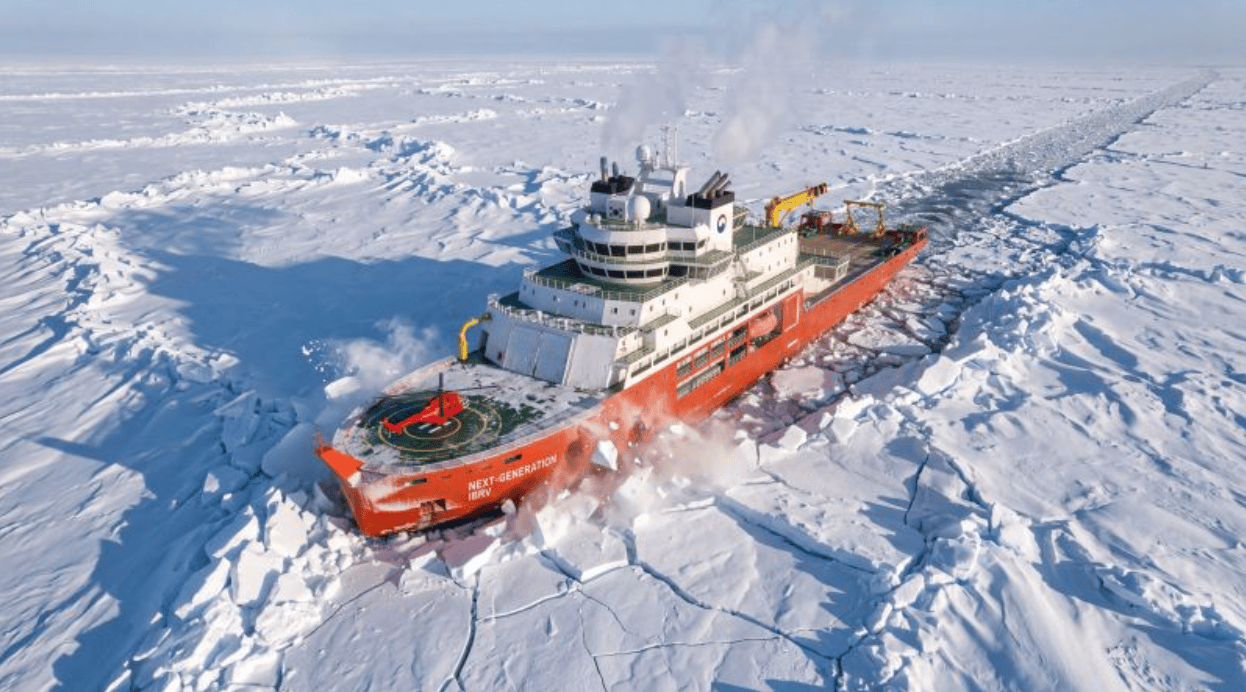
Lloyd's Register: Onboard Carbon Capture Rate 30%-40%, Pilot Target 70%
en.Wedoany.com Reported - Lloyd's Register (LR) has released a new report titled "Applying Onboard Carbon Capture & Storage to Existing Ships," concluding that while the alternative fuel supply chain continues to develop, onboard carbon capture and storage systems (oCCS) can play a significant role in reducing CO2 emissions from the shipping industry.
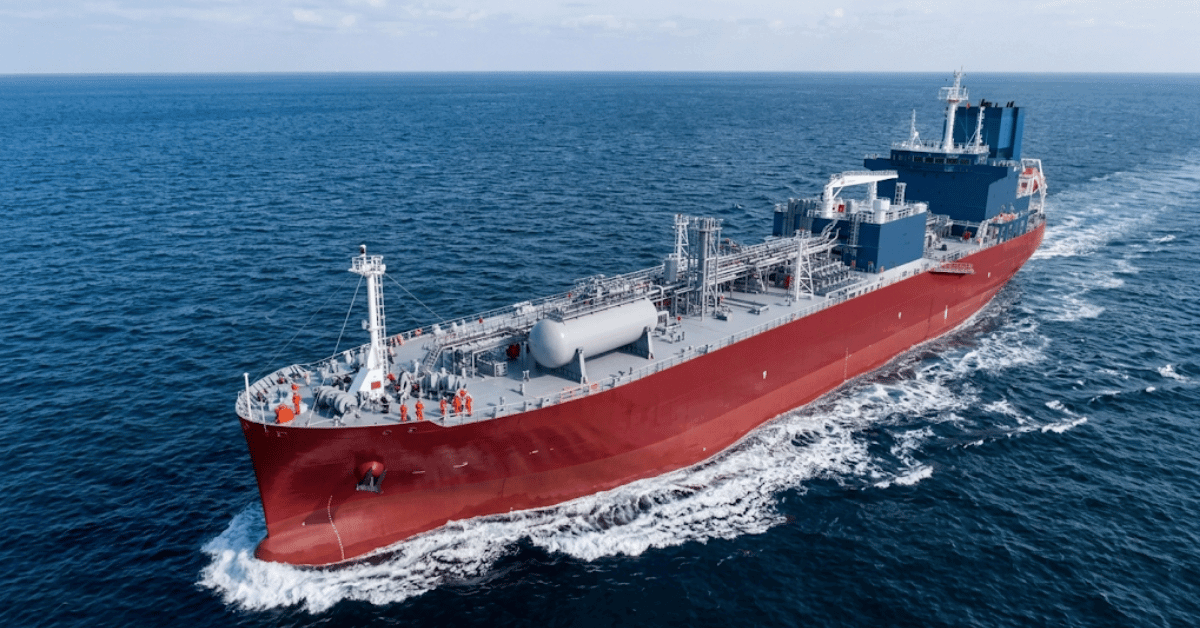
The report comes as shipowners face increasing decarbonization pressure. Of the near-zero greenhouse gas fuel production capacity needed by 2030, only about 4% has reached final investment decisions to date; the share of orders for ships capable of using alternative fuels has fallen from 45% of contracted gross tonnage in 2024 to 37% in 2025. The report concludes that most ships already on order or in operation will still rely on conventional petroleum fuels well into the 2030s, making oCCS an additional emission reduction pathway for these vessels alongside alternative fuels and energy efficiency technologies.
The research shows that specific oCCS technologies have moved beyond the concept stage and into commercial deployment. Current full-scale installations can capture 30% to 40% of CO2 emissions, while larger pilot projects have set target capture rates of approximately 70%.
In its analysis, LR considers oCCS a viable retrofit solution for specific fleet segments. Eligible vessels must meet several conditions: a remaining operational life exceeding ten years, significant exposure to carbon pricing, access to a reliable CO2 offloading chain, and sufficient onboard space to install capture equipment without incurring unacceptable commercial penalties. Such vessels can maintain commercial competitiveness through this system as environmental regulations tighten and carbon costs rise.
The report identifies three market segments most likely to adopt oCCS in the near term: first, MR (medium range) tankers and chemical carriers operating on European Economic Area (EEA) routes; second, LNG-powered vessels, which can leverage the cryogenic energy released during liquefied natural gas vaporization to cool and liquefy CO2 captured from exhaust gases; and third, short-sea and feeder vessels making frequent calls at EEA ports and facing carbon pricing exposure.
Panos Mitrou, Senior Vice President of Shipping Strategy at Lloyd's Register, stated that many ships on order or in operation will continue to operate well into the 2030s and beyond. Alternative fuels remain central to the shipping industry's long-term decarbonization strategy, but shipowners equally need practical solutions to reduce CO2 emissions from existing vessels. He believes oCCS has the potential to become an important component of the shipping industry's decarbonization toolbox. For suitable ship types and routes, this technology offers a practical pathway that both reduces CO2 emissions and manages carbon costs while fuel supply chains, infrastructure, and regulatory frameworks continue to evolve.
The report also cautions that oCCS is not a one-size-fits-all solution. Existing systems may increase fuel consumption by 15% to 30% in many applications, and capture equipment and CO2 storage require substantial onboard space. Whether to retrofit must be assessed on a ship-by-ship basis, taking into account operating patterns, remaining asset life, carbon pricing exposure, and the accessibility of CO2 offloading infrastructure.
The primary obstacle to scaled-up deployment remains the limited availability of ports and infrastructure capable of receiving captured CO2. Large-scale carbon storage projects in Northwest Europe are advancing, including the North Sea storage network; however, the report notes that port reception facilities are the weakest link in this emerging carbon value chain.
The report also emphasizes that regulatory frameworks need further clarification. The EU Emissions Trading System (EU ETS) already recognizes captured and permanently stored CO2 as eligible for compliance obligation deductions, while other frameworks such as FuelEU Maritime and future International Maritime Organization (IMO) regulations are still evolving.
Looking ahead, the broader adoption of oCCS depends on the simultaneous realization of three key developments: the outcome of the FuelEU Maritime Article 30 review, recognition of captured CO2 by the International Maritime Organization (IMO) within a global carbon pricing framework, and the expansion of CO2 offloading infrastructure.
Related Products


GSR6-27.5kV SF6 Free Gas-insulated Metal-enclosed Switchgear
Zhejiang Juhonkia Intelligent Electric Co., Ltd.
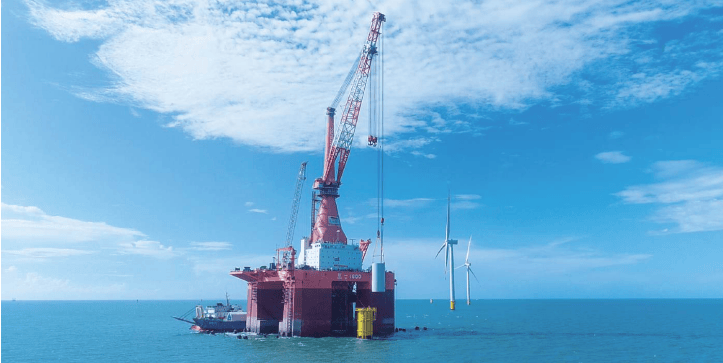
"Shunyi 1600" Deep-submerging Bottom-sitting Multi-functional Wind Power Engineering Vessel
Zhengli Offshore Engineering Co., Ltd.
China - Alashankou/Khorgos - Europe Full Range Transportation (Mala/Hamburg/Duisburg/Budapest, etc.)
Shenzhen Neptune Logistics Co., Ltd.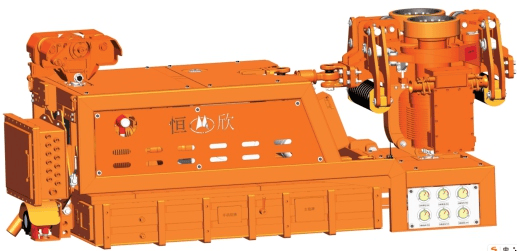
Explosion-proof lithium battery dispatching monorail crane locomotive (permanent magnet frequency conversion integrated machine)
Xiangtan Hengxin Industrial Co., Ltd.
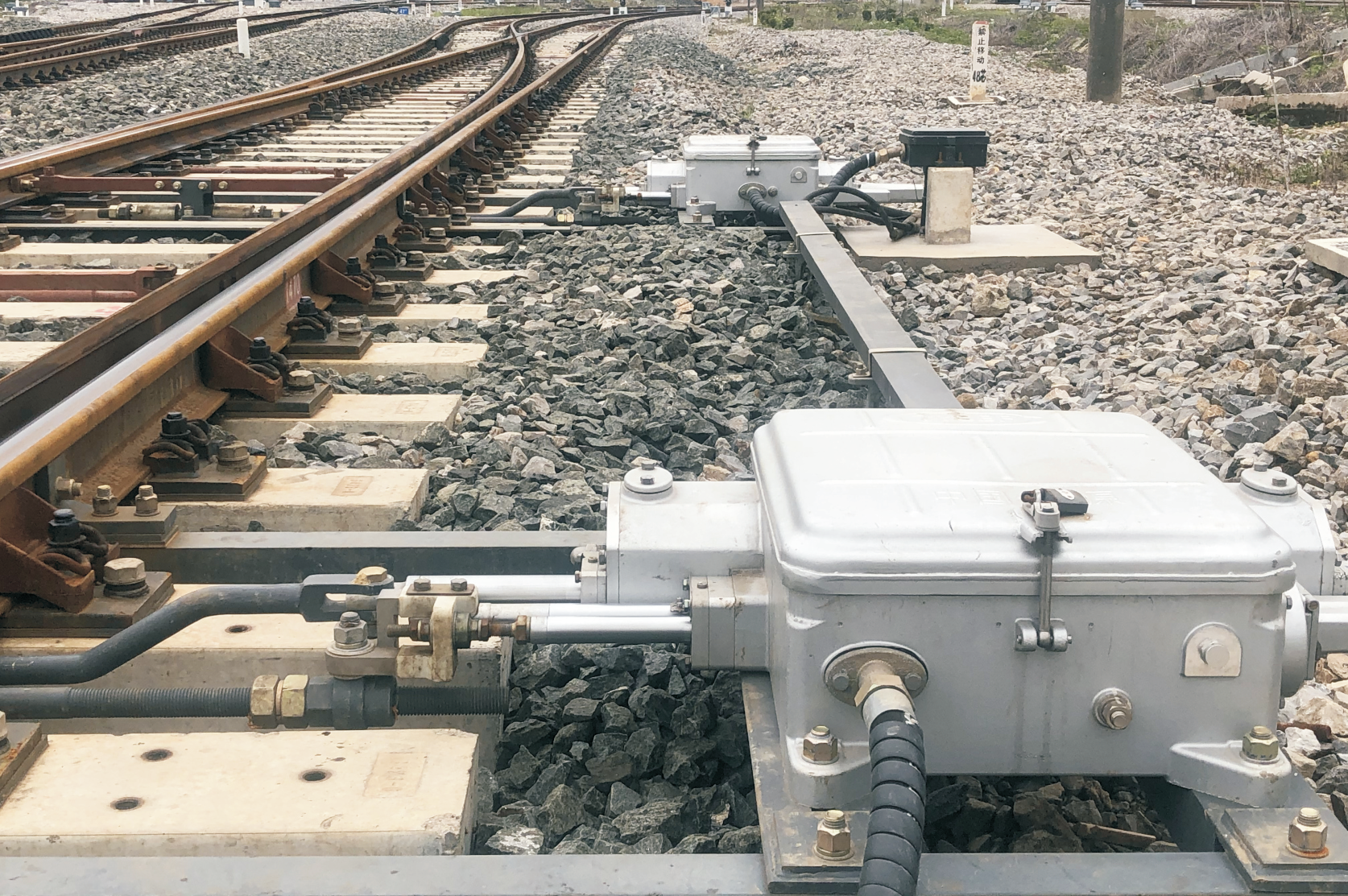
ZY(J)7(M) Sealed Type Electro-Hydraulic Turnout Machine
TAIYUAN CR JINGFENG EQUIPMENT TECHNOLOGY CO., LTD.
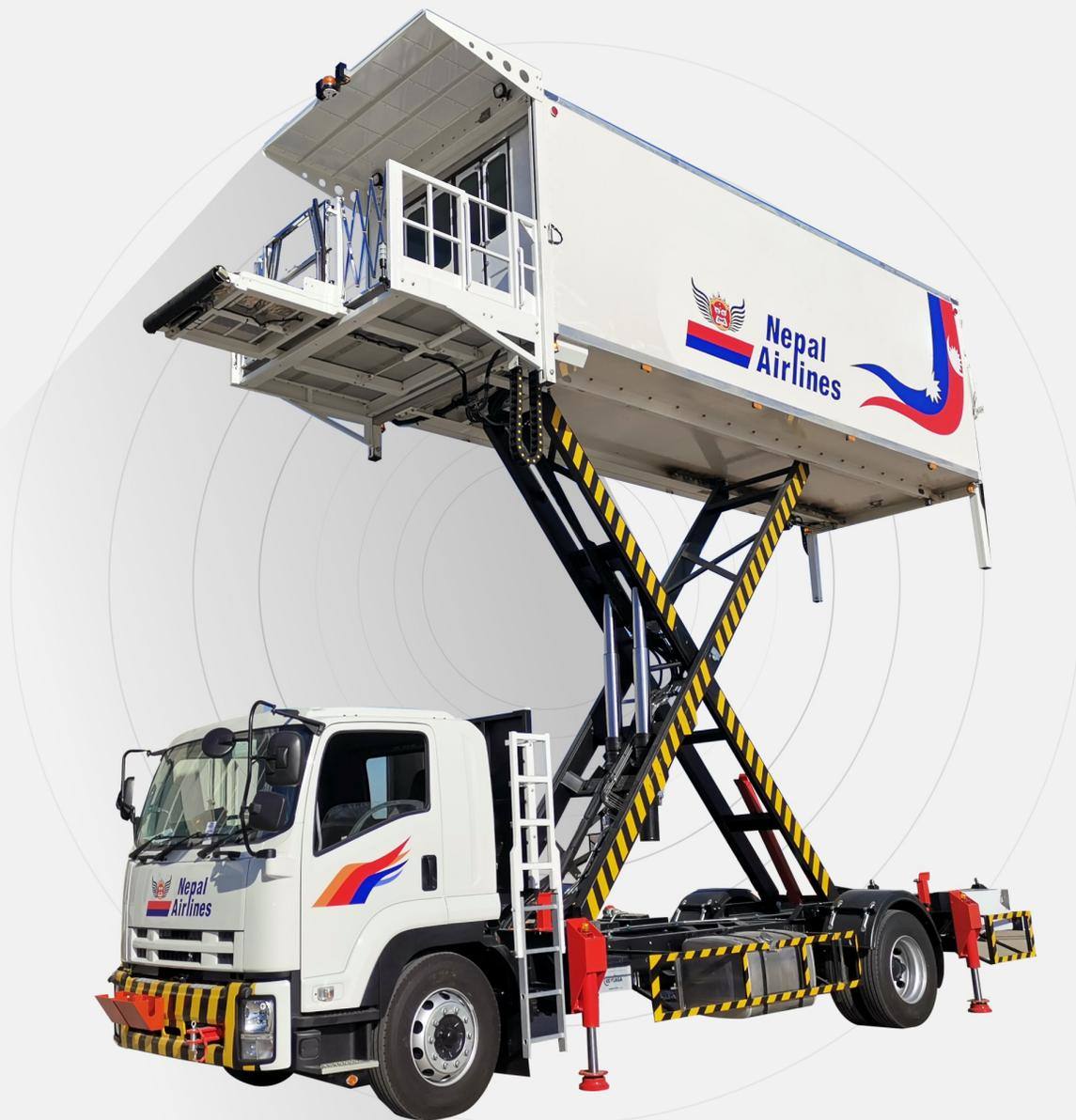
XC-6000e Type Aviation Catering Truck (Fuel Type)
Shenzhen CIMC-TianDa Airport Support Ltd.