EU Advances Grid Resilience Building, 2040 Electrification Rate Target Raised to 46%
en.Wedoany.com Reported - In September 2026, the building of resilience in Europe's power system drew further attention. The EU is working through the Electrification Action Plan, the climate resilience framework, and technological pathways such as demand-side flexibility, virtual power plants, and smart charging to enhance the grid's capacity to cope with extreme weather, load growth, and the integration of distributed energy resources. The European Commission has proposed raising electricity's share of final energy consumption from the current approximately 23% to 46% by 2040, and the related targets will undergo further assessment in the post-2030 Energy Union policy framework in the fourth quarter of 2026.
The Electrification Action Plan released by the European Commission in July identifies industry, transport, and buildings as key electrification sectors. According to the plan, about 70% of the EU's electricity already comes from domestic clean energy sources, but electricity's share of final energy consumption has remained essentially flat at around 23% over the past decade. If the electrification rate reaches 46% by 2040, the EU is expected to reduce fossil fuel import spending by approximately €260 billion per year, while needing to accelerate the construction of transmission and distribution networks, energy storage deployment, and the connection of end-use electrification facilities.
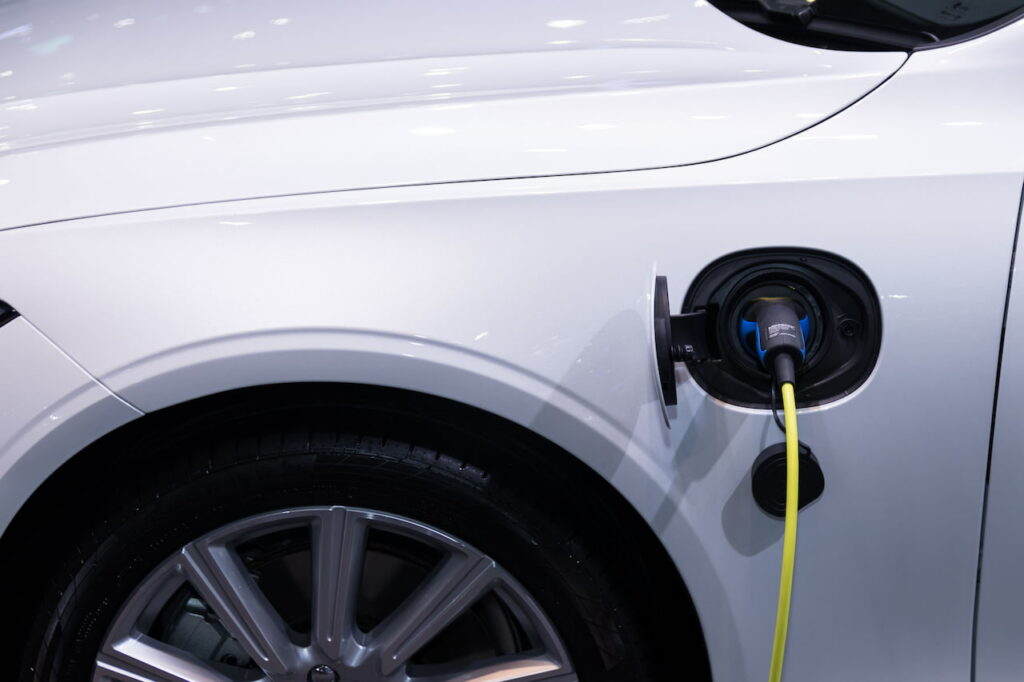
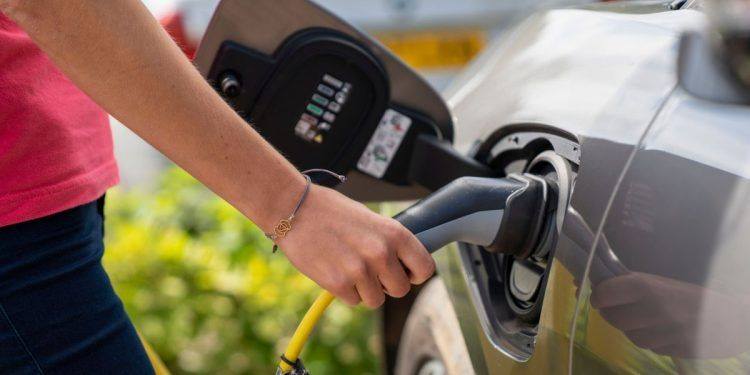
Grid flexibility has become a focus of the next phase of development. As electric vehicles, heat pumps, data centers, and renewable energy installations continue to increase, both the scale and volatility of electricity loads will expand. The EU already has more than 8 million battery electric vehicles, and the Electrification Action Plan also incorporates smart charging and bidirectional charging into power system flexibility pathways, reducing peak load pressure on transmission and distribution systems through vehicle-to-grid reverse power supply, demand response, and coordinated operation of distributed energy resources.
Virtual power plants and microgrids will also take on greater regulation functions. In some parts of Europe, situations have already arisen where new project connections are restricted due to insufficient grid capacity. By aggregating wind power, solar PV, battery storage, electric vehicles, and building loads, virtual power plants can form dispatchable pools of distributed resources, providing local grids with peak shaving and valley filling as well as supply-demand balancing capabilities. Data center expansion further reinforces this need, as new data center projects in markets such as Germany, France, Spain, and the Netherlands may significantly increase local peak electricity loads.
In addition to expanding the grid, the EU is also advancing a new integrated framework for climate resilience and risk management, with relevant policy arrangements planned for completion in the second half of 2026. The framework takes "resilience by design" as an important principle, requiring infrastructure investment to consider long-term climate risks such as high temperatures, floods, droughts, and wildfires at the planning stage, so that grids, transport, and other critical infrastructure have greater risk resistance.
As the electrification rate advances toward the 46% target, the focus of Europe's power system development will further expand from simply increasing transmission and distribution capacity to areas such as energy storage, smart distribution, demand response, virtual power plants, bidirectional charging, and digital dispatch, with grid expansion and flexibility resource development accelerating in tandem.
Related Products
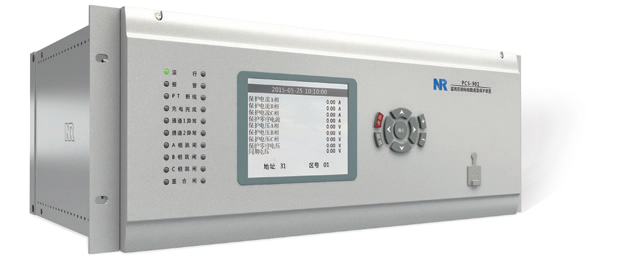

PCS-901 Series Ultra (Extra) High-voltage Transmission Line Complete Protection Device
Nanjing NR Electric Co., Ltd.
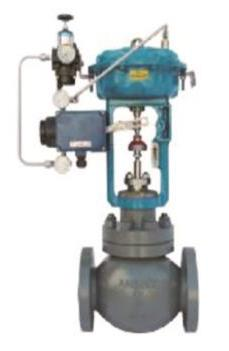
Quick-Change Single-Seat Control Valve / Quick-Change High-Pressure Single-Seat Control Valve
Beijing Consen Automation Technology Co., Ltd.
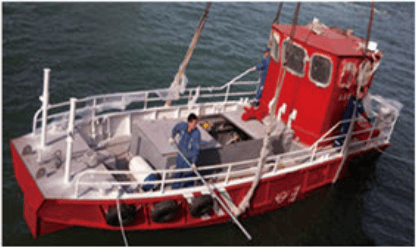
Electromagnetic Fluid Seawater Floating Oil Separation and Recover Equipment
Huate Magnet Group Co., Ltd.
CAP1400 main feedwater flow nozzle flowmeter.
Jiangsu Hongda Instrument Technology Co., LTD.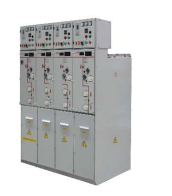
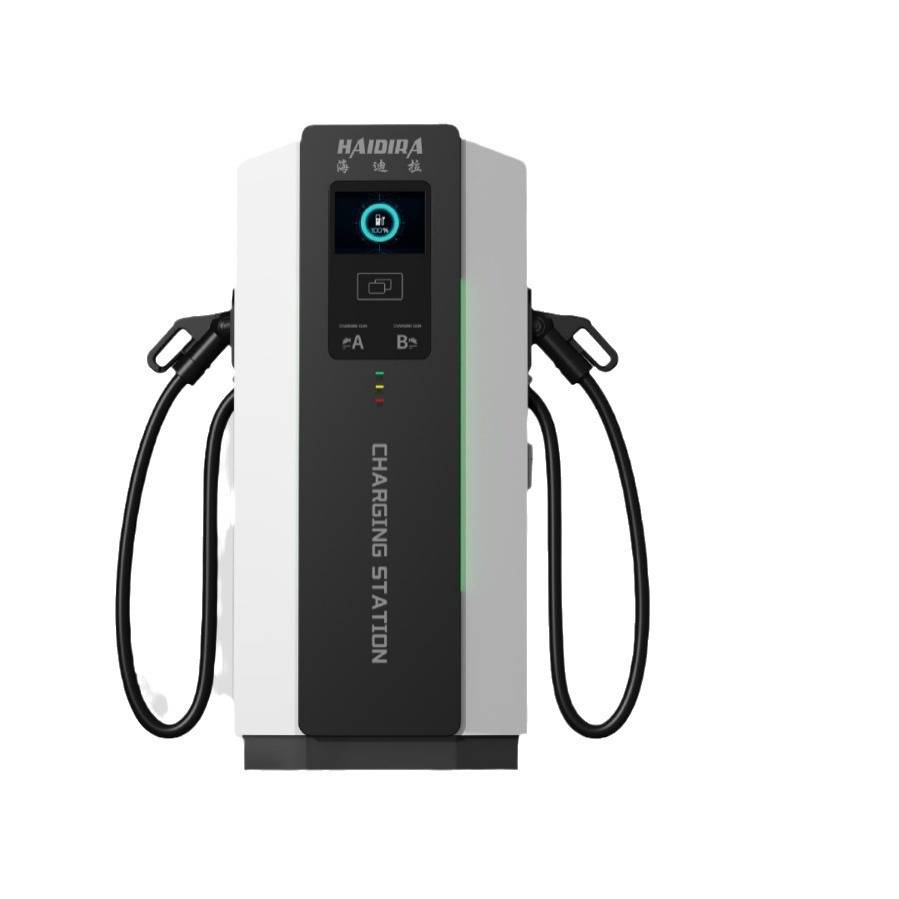
Manufacturer Direct Sales Tesla New Energy Electric Vehicle Universal DC 180kW Dual-gun Charging Pile Commercial Fast Charger
Anhui Haidira Electric Technology Co., Ltd.