Nuclear Power Returns to the Center of Energy Strategy: Industry Revaluation and Risk Balance Behind Deterministic Growth
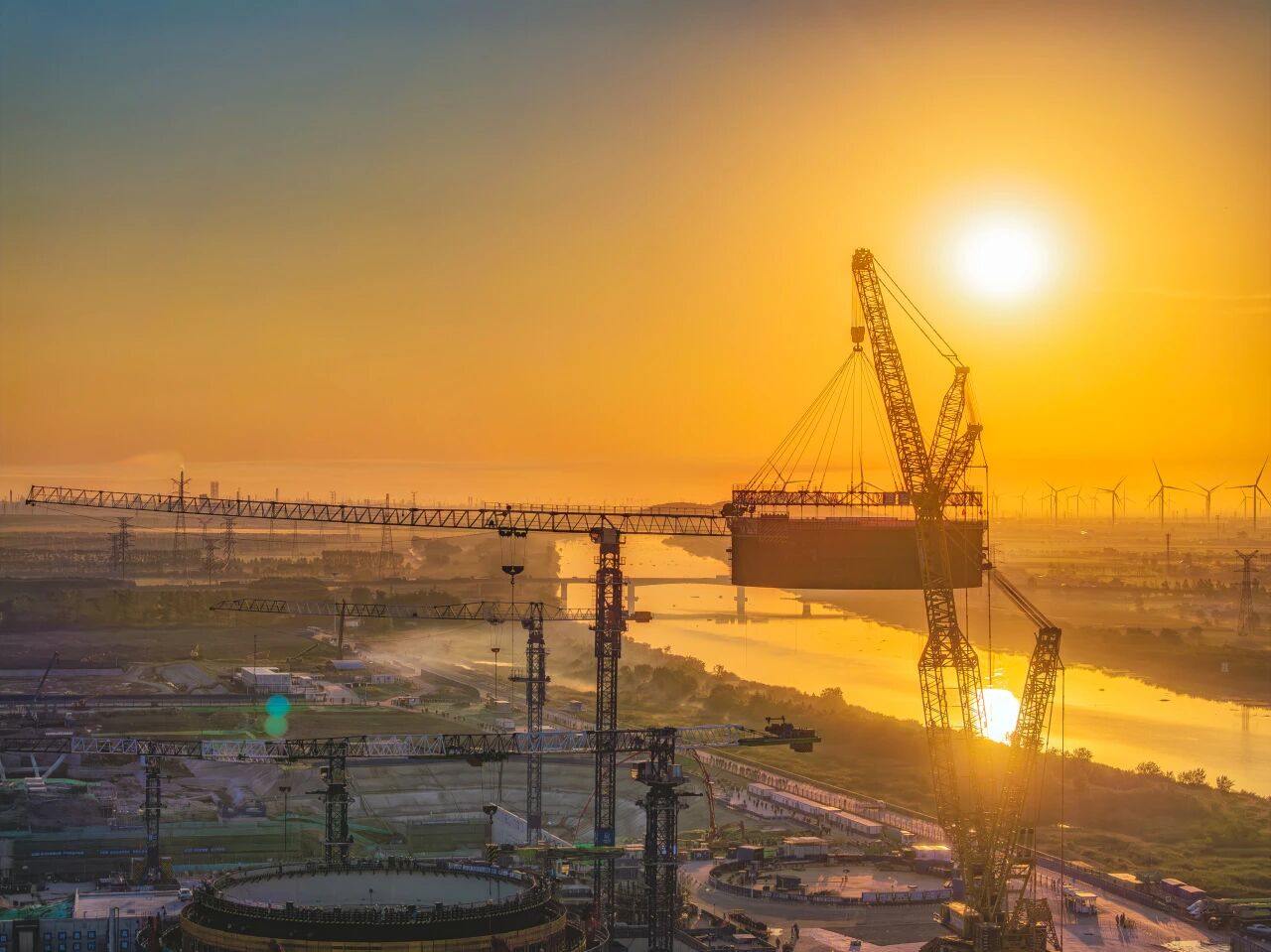
en.Wedoany.com Reported - Under the multiple constraints of the "dual carbon" goals, energy security, and the construction of a new-type power system, nuclear power is once again becoming a key variable in China's energy structure. Compared with new energy sources such as wind power and photovoltaics, the most distinctive feature of nuclear power is not the speed of installed capacity expansion, but its high utilization hours, stable output, and low-carbon attributes. With a relatively low share of installed capacity, it contributes a higher proportion of electricity generation, and especially in the load centers along the eastern coast, it has become an important clean baseload power source.
At present, the core issue facing the nuclear power industry is not simply "whether to develop," but how to find a new equilibrium among the safety bottom line, cost control, technological self-reliance, industrial chain profit distribution, and market-based electricity pricing. With the improvement of foundational systems such as the Nuclear Safety Law and the clear medium- and long-term direction set by new-type energy system planning, policy uncertainty has declined markedly. The nuclear power industry is moving from a cyclical recovery in approvals into a more institutionalized, batch-based, and industrialized stage of development.
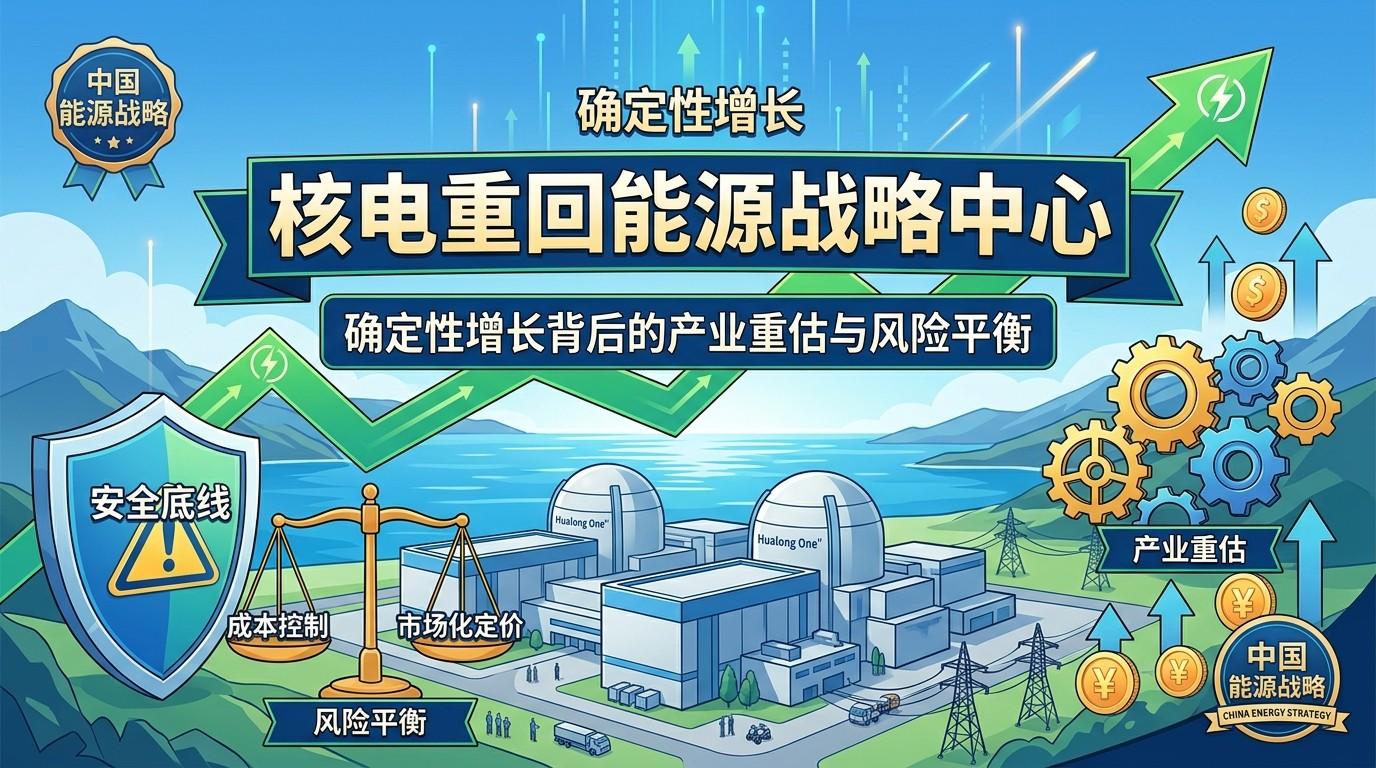
I. The Strategic Value of Nuclear Power: The Scarcity of Stable Low-Carbon Power Is Increasing
From the perspective of the power system, the value of nuclear power is first reflected in "stability." Wind power and photovoltaic installed capacity are growing rapidly, but they are inherently volatile and intermittent, requiring supporting energy storage, peak-shaving power sources, and grid absorption capacity. By contrast, the operating hours of nuclear power units are usually significantly higher than those of most power sources, making nuclear one of the few baseload power sources capable of long-term, stable, low-carbon supply.
Public data show that in recent years, nuclear power generation in China has accounted for about 5% of total national electricity generation, but the average utilization hours of nuclear power units have long remained at a high level, clearly higher than most power sources other than thermal power. For the eastern coastal regions, where electricity demand is highly concentrated, land resources are tight, and carbon reduction pressure is relatively high, nuclear power has systemic value that other energy sources are difficult to replace.
This value is further highlighted under new demand scenarios. Data centers, artificial intelligence computing infrastructure, high-end manufacturing, seawater desalination, industrial steam, and nuclear heating all require stable, continuous, low-carbon energy supply. In the future, the business model of nuclear power may no longer be limited to "grid-connected power generation," but may extend toward integrated energy services.
II. Industry Evolution: From Technology Introduction to Batch Production of Self-Developed Third-Generation Reactors
The development path of China's nuclear power has clear stages. The first stage, represented by the Qinshan Nuclear Power Plant and the Daya Bay Nuclear Power Plant, formed a dual-track model of "independent exploration + introduction and absorption." Construction of the Qinshan Nuclear Power Plant began in 1985 and it was connected to the grid in 1991, making it the first nuclear power plant in mainland China to be independently designed and built; the Daya Bay Nuclear Power Plant introduced French technology and entered commercial operation in 1994, laying the foundation for China's commercial nuclear power operations.
The second stage was characterized by the parallel development of multiple technology routes and the accumulation of localization capabilities. The Tianwan Nuclear Power Plant introduced a Russian reactor type, while projects such as Ling'ao, Hongyanhe, and Yangjiang promoted improvements in engineering construction and operational capabilities. Technologies from multiple sources brought learning effects, but also increased the complexity of spare parts, talent, and standards systems. It was precisely in this process that China National Nuclear Corporation, China General Nuclear Power Group, and others formed their own operating systems, while equipment enterprises such as Dongfang Electric, Shanghai Electric, Harbin Electric, China First Heavy Industries, and Jiangsu Shentong gradually grew.
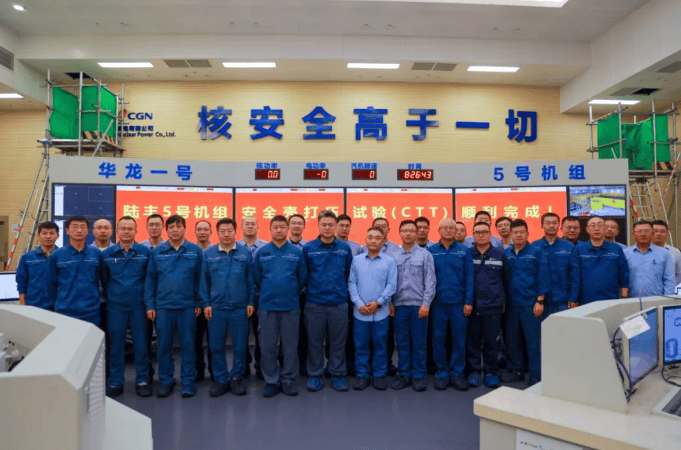
The third stage is the finalization and batch production of third-generation nuclear power technology. After the Fukushima nuclear accident, China suspended approvals for new projects, conducted safety reviews of projects under construction, and also promoted the integration of self-developed third-generation nuclear power technology. Self-developed technology routes such as "Hualong One" gradually matured during this period and were subsequently promoted in later projects. The nuclear power industry has gradually shifted from past following and introduction toward independent design, independent manufacturing, and batch replication.
In recent years, the pace of nuclear power approvals has clearly recovered. From 2022 to 2024, China approved a relatively large scale of nuclear power units each year; the market is also generally focused on the installed capacity growth expectations brought by newly approved projects around 2025. That nuclear power has moved from "cautious recovery" to "steady advancement" has become an industry consensus.
III. Industrial Chain Landscape: Concentrated Upstream, High Barriers Midstream, Stable Cash Flow Downstream
The nuclear power industrial chain can be divided into three major segments: upstream nuclear fuel, midstream nuclear island and conventional island equipment, and downstream operations.
The upstream includes uranium exploration, mining, conversion, enrichment, and fuel assembly manufacturing. Global uranium resources and enrichment capacity are highly concentrated, with representative companies including Canada's Cameco and France's Orano. Compared with coal and natural gas, nuclear fuel accounts for a relatively low proportion of the total cost of nuclear power, so operators are relatively less sensitive to price fluctuations and pay more attention to the safety, compatibility, and supply stability of fuel assemblies.
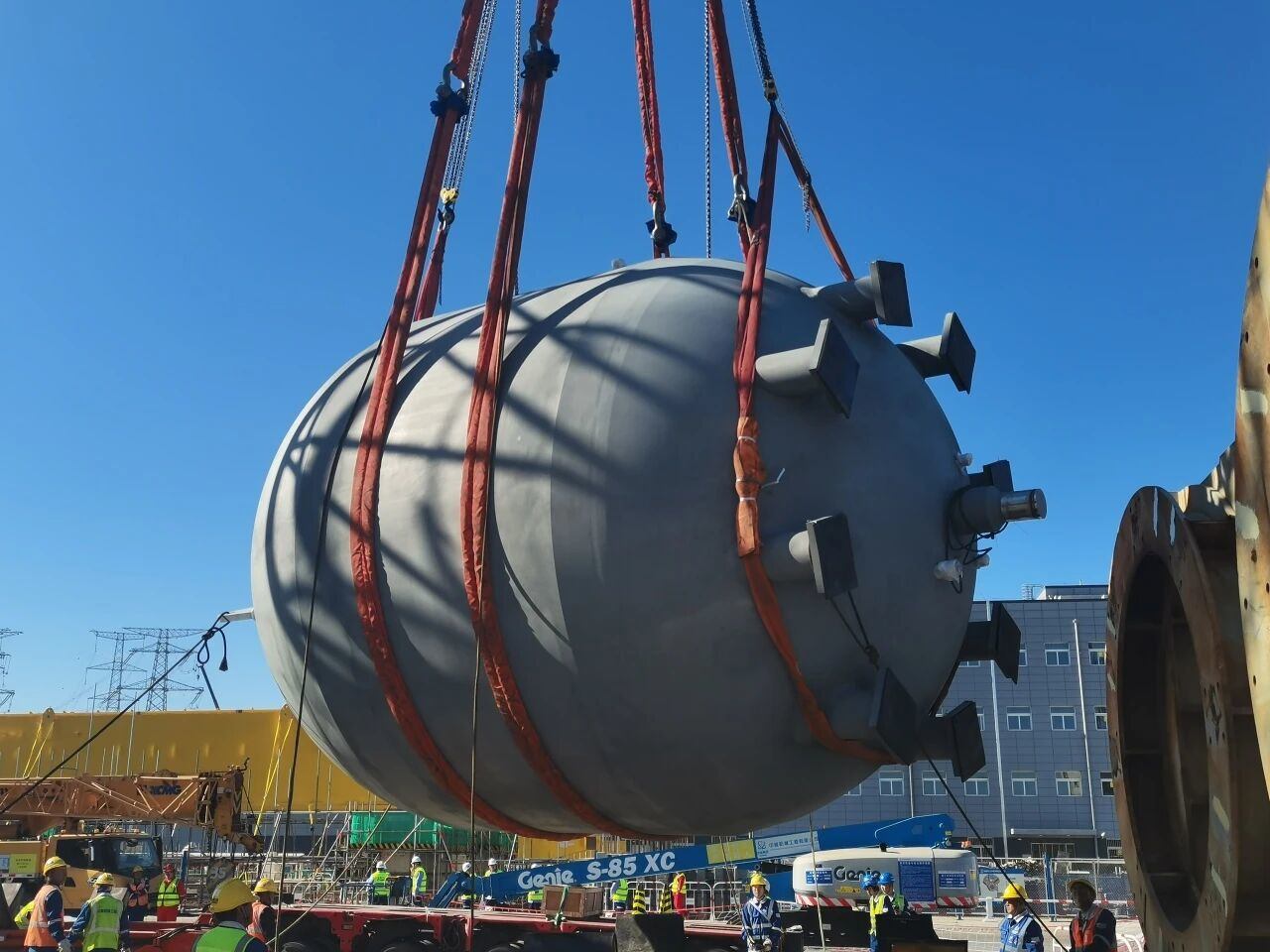
Midstream equipment manufacturing is the segment with the most prominent technical and certification barriers. Once pressure vessels, main pipelines, main pumps, valves, steam generators, and digital instrumentation and control systems are finalized, changing suppliers often requires re-verification. Qualified suppliers must not only possess manufacturing capability, but also undergo long-term nuclear safety regulation and quality system reviews. Therefore, in the field of nuclear-grade main equipment and key components, leading enterprises usually have strong bargaining power.
Downstream operators, by contrast, control the most stable cash flow, but also bear the highest safety responsibility. Nuclear power plant construction has a long cycle, large capital expenditure, and high depreciation and financial expenses, but once put into operation, it has long-term stable power generation capacity. For operators, capacity factor, maintenance efficiency, electricity pricing mechanisms, and financial costs are the core variables determining profitability.
IV. Divergence Among Listed Companies: Operations, Management, and Equipment Manufacturing Each Have Their Own Logic
From the perspective of the capital market, the more representative companies in China's nuclear power industrial chain include China National Nuclear Power, CGN Power, and Dongfang Electric.
The core advantage of China National Nuclear Power lies in its nuclear power operating assets and project reserves under the CNNC system. Its development trajectory is closely related to Qinshan Nuclear Power, and it is characterized by a relatively complete technology system and abundant site resources and projects under construction. For China National Nuclear Power, the investment logic mainly lies in "the timely conversion of assets under construction into operating assets": once a unit is put into operation, it can generate long-term stable cash flow. However, its heavy-asset nature also means high capital expenditure and a relatively high level of debt.
CGN Power, by contrast, started from Daya Bay, and its advantages are concentrated in the operation of mature units, fleet management, and standardized maintenance. Its profit elasticity comes more from improvements in the power generation efficiency of existing units, control of outage time, and changes in market electricity prices. Compared with China National Nuclear Power, CGN Power's pace of adding new units is relatively different, so its performance more directly reflects operational efficiency and the electricity pricing environment.
Dongfang Electric represents the logic of the equipment manufacturing side. Its advantages lie in heavy manufacturing, large-capacity turbine generators, nuclear power equipment, and energy equipment delivery capabilities. Compared with operators, equipment enterprises' returns depend more on order recognition, delivery pace, and payment collection quality. Accelerated nuclear power approvals are expected to drive growth in orders for main equipment and conventional island equipment, but manufacturing enterprises also face pressure from raw material costs, delivery cycles, and production scheduling capacity.
V. Risks Still Cannot Be Underestimated: Safety, Cost, and Market Mechanisms Are Three Passes
The opportunities in the nuclear power industry are clear, but the risks are equally not to be ignored.
The first is safety risk. The three major accidents at Three Mile Island, Chernobyl, and Fukushima profoundly changed the pace of global nuclear power policy. The greatest particularity of the nuclear power industry is that a single accident may change the entire industry's regulatory environment and social acceptance. Therefore, any expansion must be premised on absolute safety.
The second is cost and schedule risk. Third-generation nuclear power has increased safety redundancy, but also raised construction complexity. If schedules are delayed and costs overrun, project returns will be directly affected. Nuclear power is not a simple installed capacity race, but a comprehensive test of engineering management, supply chain coordination, and regulatory capability.
The third is electricity marketization risk. As the share of new energy increases, electricity price fluctuations intensify. Although nuclear power has baseload value, if market mechanisms cannot fully reflect the systemic value of stable low-carbon power sources, operators' profitability may be squeezed.
VI. The Future of Nuclear Power Lies Not in "Speed," but in "Stability, Accuracy, and Depth"
The return of nuclear power to the center of the energy stage does not mean that its high thresholds and high responsibilities can be ignored. Compared with wind and solar new energy, nuclear power expansion should place greater emphasis on pace management. The key to future industry competition is not just how many units are approved, but who can complete long-term operations at lower cost, with higher safety standards, and stronger supply chain resilience.
From a constructive perspective, first, the continuity and predictability of nuclear power approvals should be maintained to avoid talent and supply chain gaps caused by sharp industry fluctuations. Second, the market-based pricing mechanism for nuclear power should be further improved so that stable low-carbon power sources can obtain reasonable returns. Third, demonstrations of new scenarios such as nuclear heating, industrial steam, and small modular reactors should be accelerated, but prudent verification must be maintained. Fourth, the level of independent and controllable capabilities in nuclear fuel, key equipment, and digital instrumentation and control systems should continue to be improved to enhance industrial chain security.
Overall, the nuclear power industry is in a stage of moving from "policy repair" to "value revaluation." It is not a panacea energy source, but it is an indispensable part of building a safe, clean, and efficient energy system. Whether China's nuclear power can truly achieve high-quality development in the future depends on whether it can strike a balance between expansion speed and the safety bottom line, commercial returns and public responsibility, and technological self-reliance and global cooperation.
Related Products

Ultrasonic Wind Speed and Direction Instrument
Kingmach Measurement & Monitoring Technology Co., Ltd.
Double-slide Triple-sealed Hot Air Isolation Door
Xi'an Yingchuan Electric Power Equipment Co., Ltd.
Manufacturer Direct Sales Tesla New Energy Electric Vehicle Universal DC 180kW Dual-gun Charging Pile Commercial Fast Charger
Anhui Haidira Electric Technology Co., Ltd.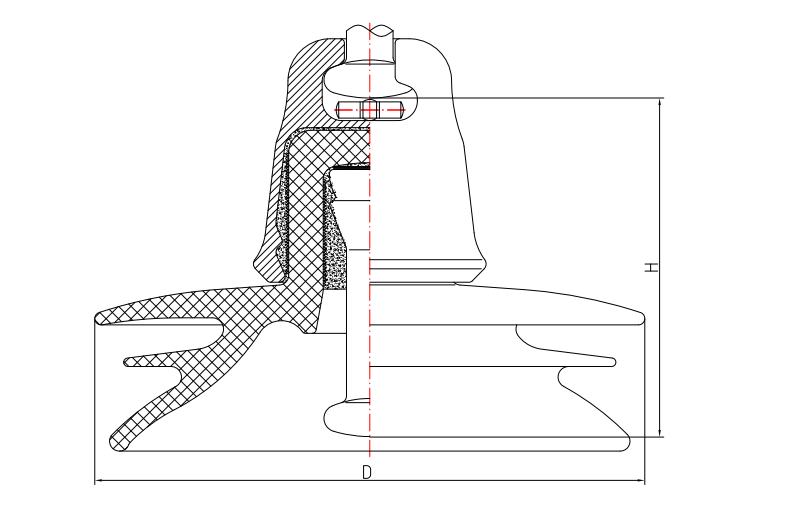
Post-type AC Pollution-resistant Disc Suspension Porcelain Insulator (Triple Umbrella Type)
Shandong High Voltage Insulator Co., Ltd.
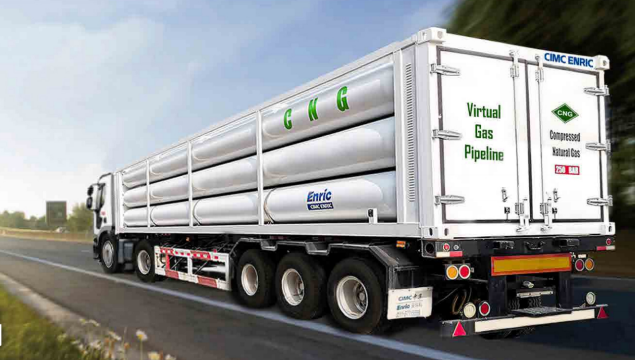

CAP1400 main feedwater flow nozzle flowmeter.
Jiangsu Hongda Instrument Technology Co., LTD.
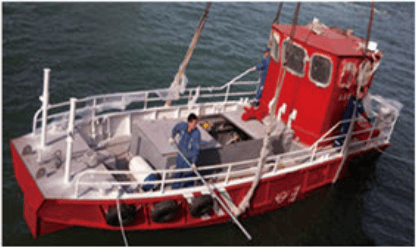
Electromagnetic Fluid Seawater Floating Oil Separation and Recover Equipment
Huate Magnet Group Co., Ltd.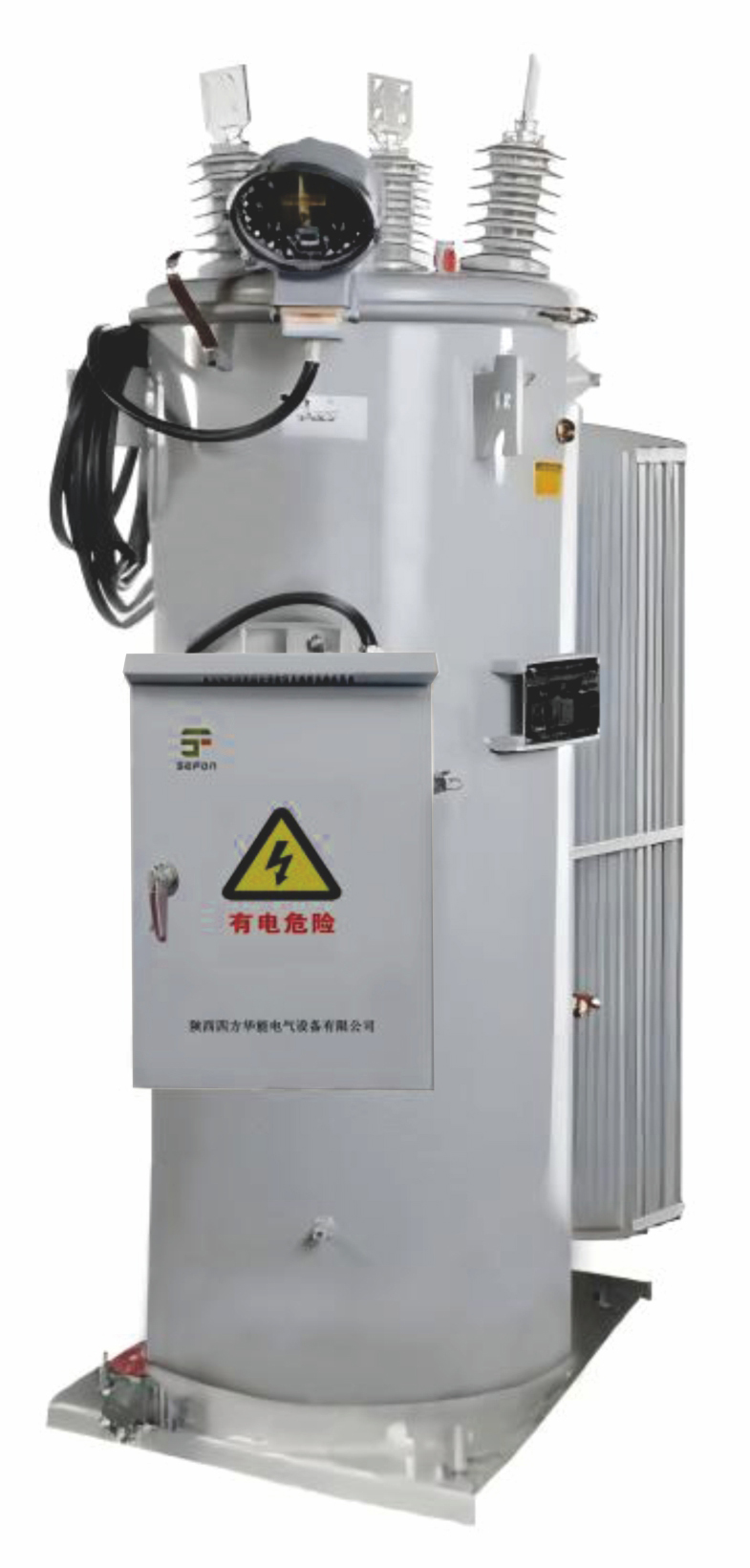
Single-Phase Automatic Voltage Regulator(AVR)
Shaanxi Sefon Electrical Equipment Co.,Ltd.