US and UK Join Forces to Accelerate Commercialization of Fusion Energy
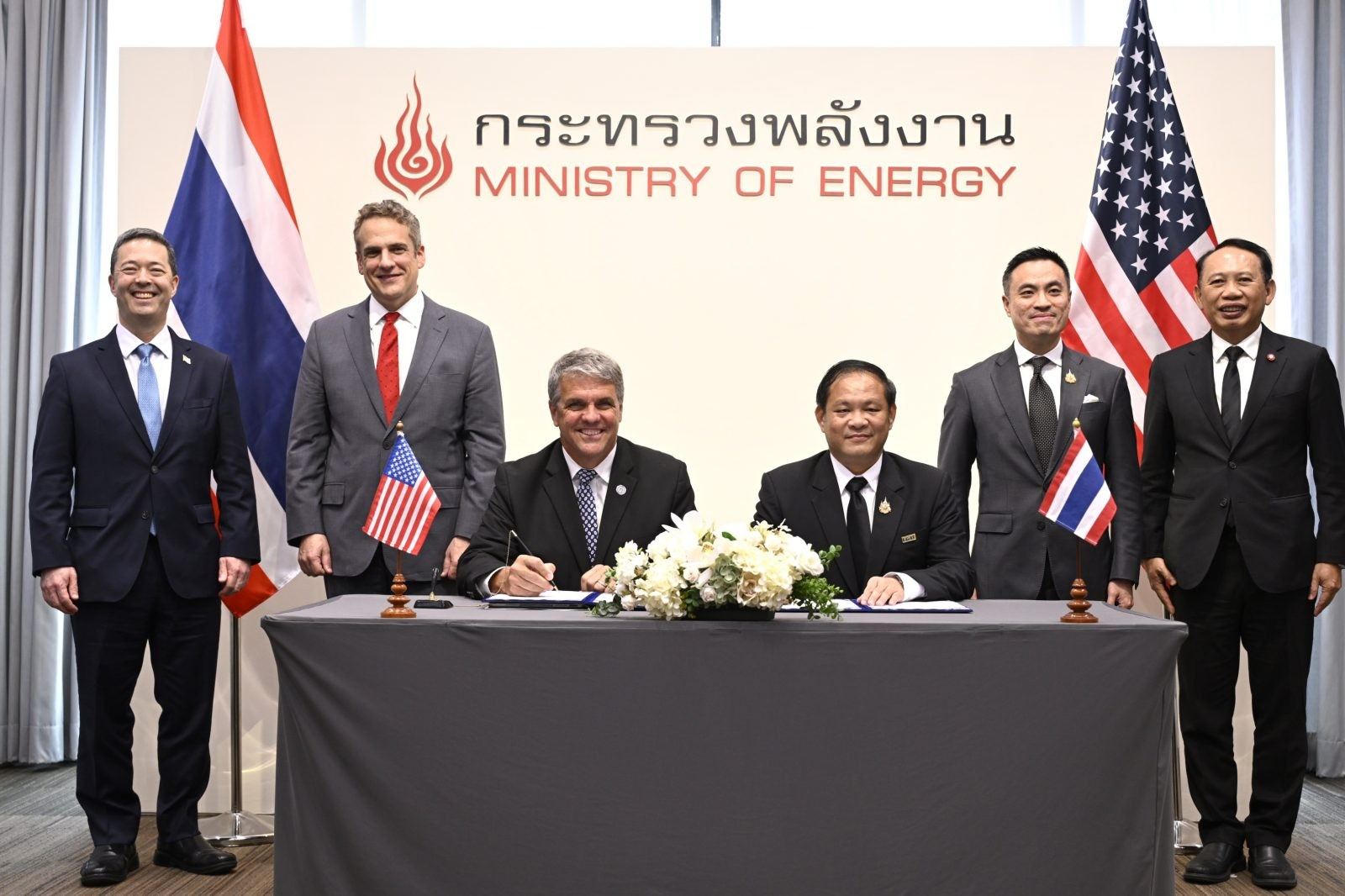
en.Wedoany.com Reported - At the Global Fusion Policy Summit held in London on Monday, the UK Atomic Energy Authority (UKAEA) and the Princeton Plasma Physics Laboratory (PPPL), which operates under the US Department of Energy, signed a joint statement of intent. The two sides plan to establish a partnership called the "SUNRISE–STELLAR-AI Federation," integrating the UK's first supercomputer dedicated to fusion research, "SUNRISE" (funded by the UK government with £45 million), with PPPL's "STELLAR-AI" supercomputing platform (costing $13 million), to leverage artificial intelligence (AI) to accelerate fusion energy research and development.
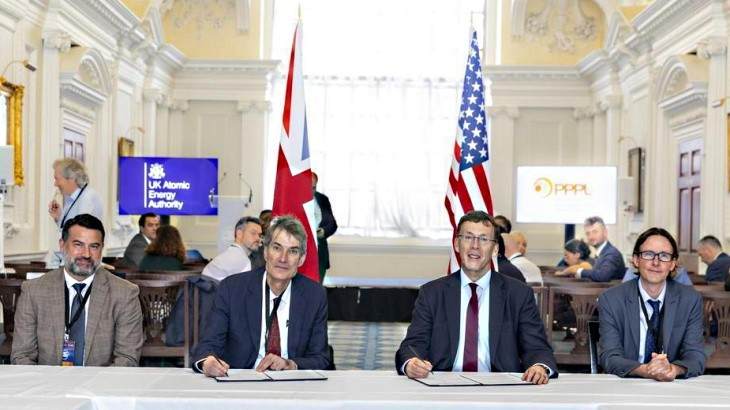
The collaboration builds on a memorandum of understanding signed by both parties in June this year and will utilize experimental data from UKAEA's MAST Upgrade device and PPPL's NSTX-U device. Since both devices are compact spherical tokamaks of similar design, they are highly suitable for joint AI model training. By connecting the supercomputing systems of both countries, US and UK researchers can share experimental data across the Atlantic, train AI using data from bilateral facilities, and select the most compatible supercomputer to run models, in order to create digital twin systems for future fusion power plants (such as the UK's STEP project and the US's STAR concept).
In the field of materials science, the University of Birmingham in the UK and the US Electric Power Research Institute (EPRI) announced the launch of a major collaboration project called "FURESHMA" (Fusion Reactor Shielding Materials). The project has received a total of £2.63 million in funding from the UK Engineering and Physical Sciences Research Council (EPSRC) and EPRI, with participation from Element Six. The project aims to test advanced boride and carbide shielding materials to enhance their durability and reliability under extreme conditions such as intense neutron irradiation, extremely high temperatures, and thermomechanical stress. The University of Birmingham and EPRI have agreed to openly share the data generated by the project to benefit the global fusion industry.
In addition, the US state of Tennessee, the Tennessee Valley Authority (TVA), and the UK government also announced deepened cooperation, focusing on advancing fusion supply chain development, workforce training, and establishing regulatory pathways that support safe and rapid commercial scaling. This cooperation builds on the synergies between Tennessee's "Project Infinity" and the "UK Fusion Unlimited Consortium," bringing together multiple parties including Type One Energy, Tokamak Energy, Oak Ridge National Laboratory (ORNL), and UKAEA. Tennessee's fusion-specific licensing framework introduced in June 2026 is highly compatible with the regulatory mechanism under the UK's Energy Act 2023, and both sides will engage in deep collaboration in areas such as supply chain strengthening, fuel cycle technologies including tritium handling and lithium enrichment, researcher exchanges, and power grid interconnection planning.
Related Products



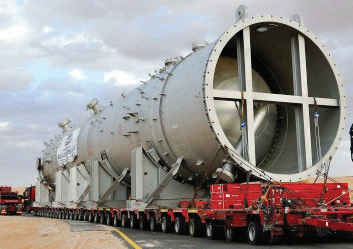
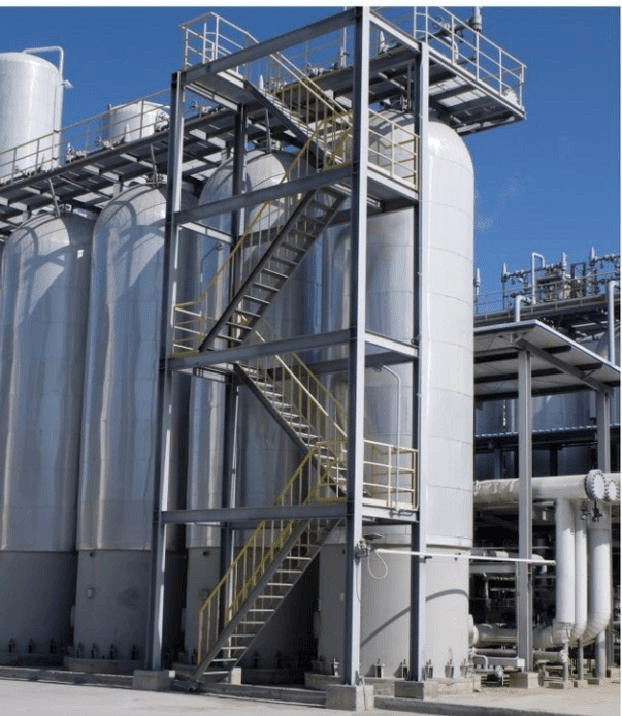
Hydrogen Production Technology: Hydrogen Purification by Pressure Swing Adsorption
Chengdu Yizhi Technology Co., Ltd.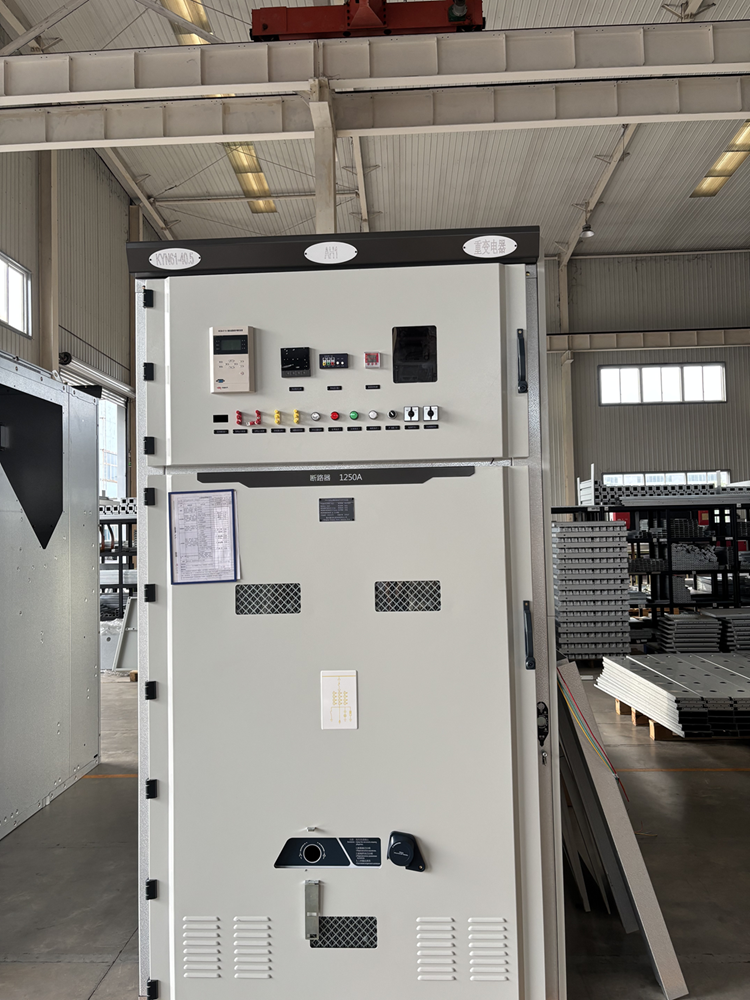
KYN61-40.5 Indoor AC Metal-clad Removable Switchgear
Chongqing Transformer Co., Ltd.

40.5kV-1100kV Gas Insulated Metal-Enclosed Switchgear (GIS)
Henan Pinggao Electric Co., Ltd.
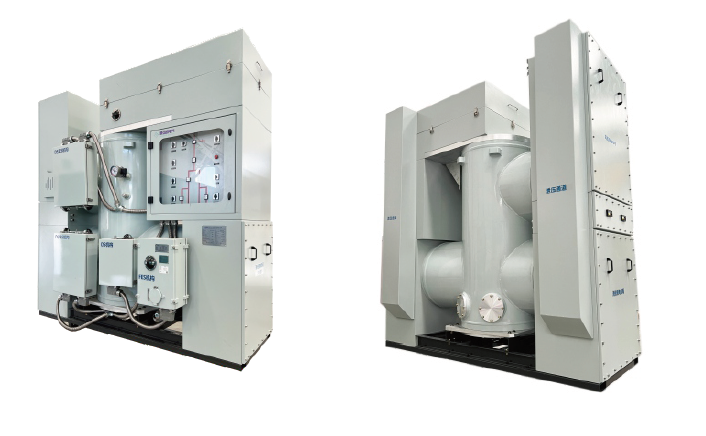
72.5kV 1250A 31.5kA SF6 free Gas-insulated Metal-enclosed Switchgear
Zhejiang Juhonkia Intelligent Electric Co., Ltd.


714CD Series C-Band Weather Radar
Chengdu Zhongdian Jinjiang Information Industry Co., Ltd.