Rosatom Establishes New Laboratory to Test Molten Salt Reactor Spent Fuel Reprocessing Technology
en.Wedoany.com Reported - The first production site of the Khlopin Radium Institute, part of the research division of Rosatom, is completing the construction of a new laboratory that will be dedicated to testing the processing and reprocessing technologies for spent nuclear fuel (SNF) from molten salt reactors (JSR/MSR). In the first phase of facility testing, it is planned to synthesize simulated fuel compositions based on lithium fluoride and beryllium fluoride, with added simulants of fission products and plutonium; the technology will then be validated on models, and ultimately applied in practice on the basis of the research molten salt reactor (IZHSR) to be built in Telesnogorsk. The related construction, installation, and commissioning work is scheduled to be completed by the end of 2026, ready for the first research studies.
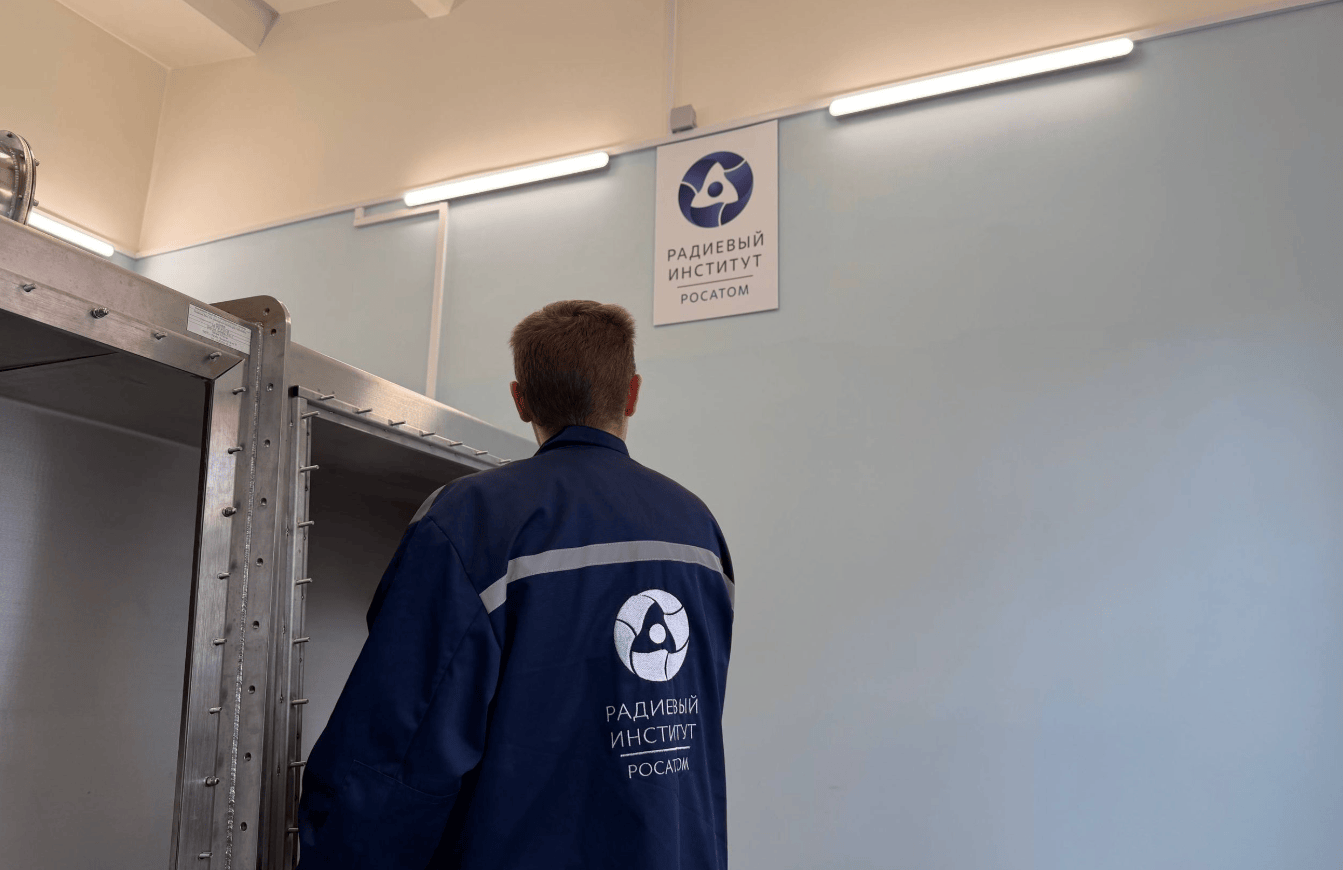
Oleg Volkov, Acting General Director of the Khlopin Radium Institute, stated that the institute is currently carrying out laboratory construction and equipment commissioning. According to the research plan, the developed technology will be tested in 2027. If operational validation is successful, it will become a prerequisite for establishing basic spent nuclear fuel processing and reprocessing technologies for industrial-scale molten salt reactors.
Molten salt reactors are an important element of the closed nuclear fuel cycle (FC NFC) concept. Their main role is to burn (transmute) minor actinides, thereby improving the environmental safety of Russia's domestic nuclear energy. The proposed spent fuel reprocessing technology is based on continuous high-temperature metallurgical/liquid-metal reductive extraction of nuclear materials and neutron poisons (fission products) from the fuel composition, followed by back-extraction of the nuclear materials into the fuel salt for reuse in the reactor.
Ilya Skrigan, Head of the Radioactive Waste Solidification Technology and Processes Laboratory at the Khlopin Radium Institute, noted that the main stage of the process is mixing two melts—fuel salt and lithiated bismuth—under strong hydraulic conditions. During this process, lithium enters the fuel salt, while the neutron poisons extracted from the salt enter the bismuth. The uniqueness of the technology and equipment lies in the need to operate at high temperatures of about 700 degrees Celsius and in highly corrosive media, to transfer melts between equipment, and to maintain an inert atmosphere with an oxygen content of no more than 100 ppm. There is currently no comparable equipment anywhere in the world.
Testing of industrial-scale molten salt reactor technology will also be carried out in conjunction with the construction of the research molten salt reactor (IZHSR), which is planned to be built in Telesnogorsk in the Krasnoyarsk Territory. Rosatom is implementing this project jointly with the Kurchatov Institute, and the technical design of the research molten salt reactor facility is currently in its final stage.
Molten salt reactors belong to fourth-generation nuclear energy technology. In the future, such facilities will reduce the amount and radioactivity of nuclear waste by orders of magnitude and eliminate dependence on costly deep geological disposal. Molten salt reactor technology is regarded as one of the effective tools for solving Russia's minor actinide (mainly curium) problem, and also as an outreach measure to provide services to foreign partners interested in reprocessing spent fuel with minimal high-level waste output.
The Khlopin Radium Institute is Russia's oldest research institution and the country's first research organization in the field of nuclear science and technology. The institute holds a leading position in research on nuclear physics, radiochemistry, geochemistry, and ecology, as well as in the fields of nuclear energy, radiation ecology, and isotope production, and is also a major supplier of radionuclides and radionuclide sources (including radiopharmaceuticals) for domestic and international markets.
Related Products

G.652.D Wavelength-extended Non-dispersion Shifted Single-mode Optical Fiber
HONGAN GROUP CO., LTD.

Bidirectional Metal Hard Sealed Seawater Butterfly Valve
Henan Quanshun Flow Control Science & Technology Co., Ltd.
Overseas IEC Gateway Energy Meter - DTSD341/DSSD331-aMeter390
Wasion Group Limited Co., Ltd.
Prefabricated Houses and Electrical Energy Boxes
Chengdu Ruilong Machinery Manufacturing Co., Ltd.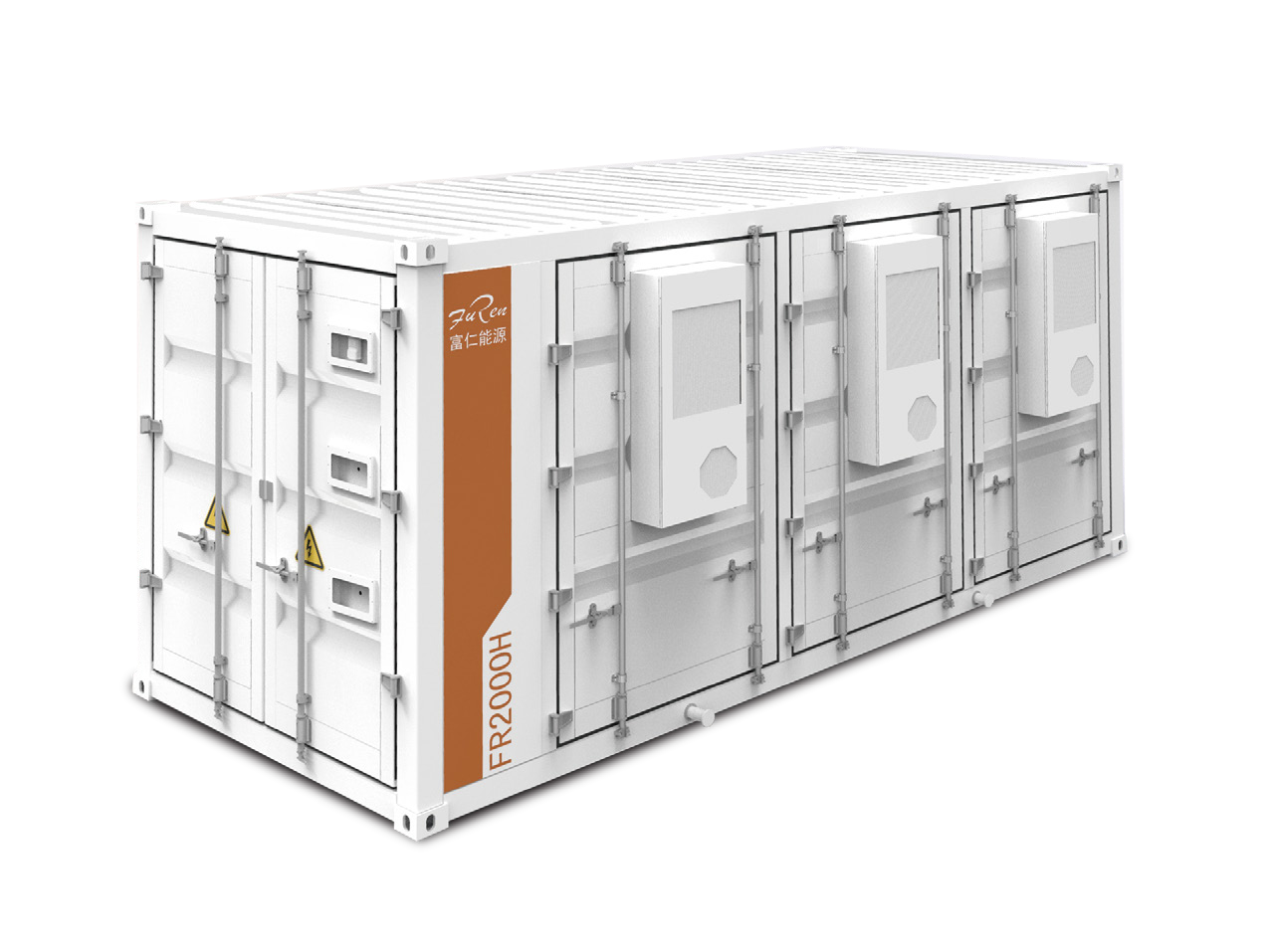
FR2000H 2.15MWh (Air-cooled) 20-foot Containerized Energy Storage System
Jiangyin Furen High-tech Co., Ltd.

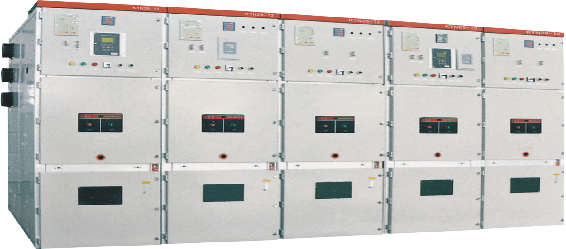
KYN28-12/24 Indoor High-Voltage Metal-Clad Removable Switchgear
Shenzhen Zhaoyang Hui Technology Co., Ltd.