India's 65kW Ocean Thermal Energy Desalination Project in Lakshadweep Advances Construction
en.Wedoany.com Reported - On September 18, India's National Institute of Ocean Technology (NIOT) is advancing an Ocean Thermal Energy Conversion (OTEC) desalination project on Kavaratti Island in Lakshadweep. The Indian government disclosed in March 2026 that the facility is still under construction. The project uses the temperature difference between warm surface seawater and cold deep seawater to generate electricity, and uses the generated electricity for seawater desalination. According to official Indian documents, the project has a designed power generation capacity of approximately 65kW, and the supporting desalination system has a daily freshwater production capacity of 100,000 liters.
The project adopts open-cycle OTEC technology, in which warm surface seawater evaporates under low pressure, producing steam to drive a turbine for power generation, and then deep cold seawater is used for condensation and freshwater production. According to NIOT's 2026 technical documents, the project aims to achieve a freshwater production capacity of 100 cubic meters per day and to use ocean thermal energy to power the desalination process without relying on an external power grid. The project has previously completed marine environmental surveys including site water depth and temperature gradients, and the deep seawater intake system is an important component of project implementation.
In addition to the onshore project under construction, NIOT is also advancing a higher-capacity floating OTEC demonstration scheme. Its public tender documents show that a floating OTEC-desalination system with a total capacity of 165kW and a daily freshwater production of 100,000 liters is planned to be built in waters approximately 4 kilometers northeast of Kavaratti Island, with the platform deployed at a water depth of about 1,000 meters. The project is funded by India's Ministry of Earth Sciences, with NIOT responsible for the basic design. This floating scheme and the current 65kW onshore desalination project belong to different engineering levels and cannot be merged into the same facility.
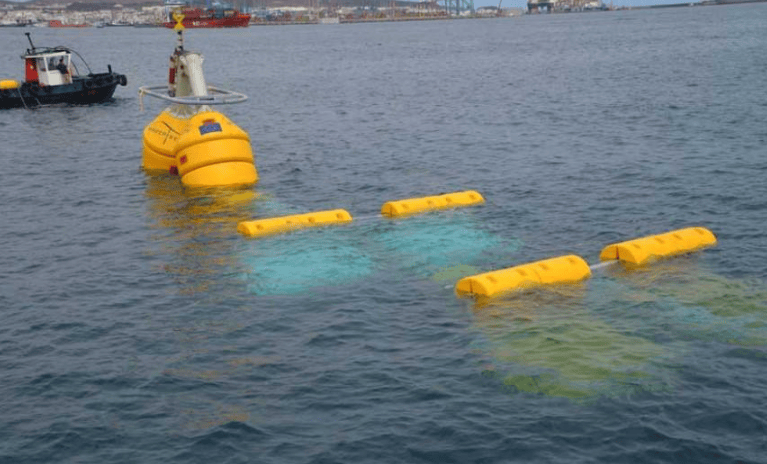
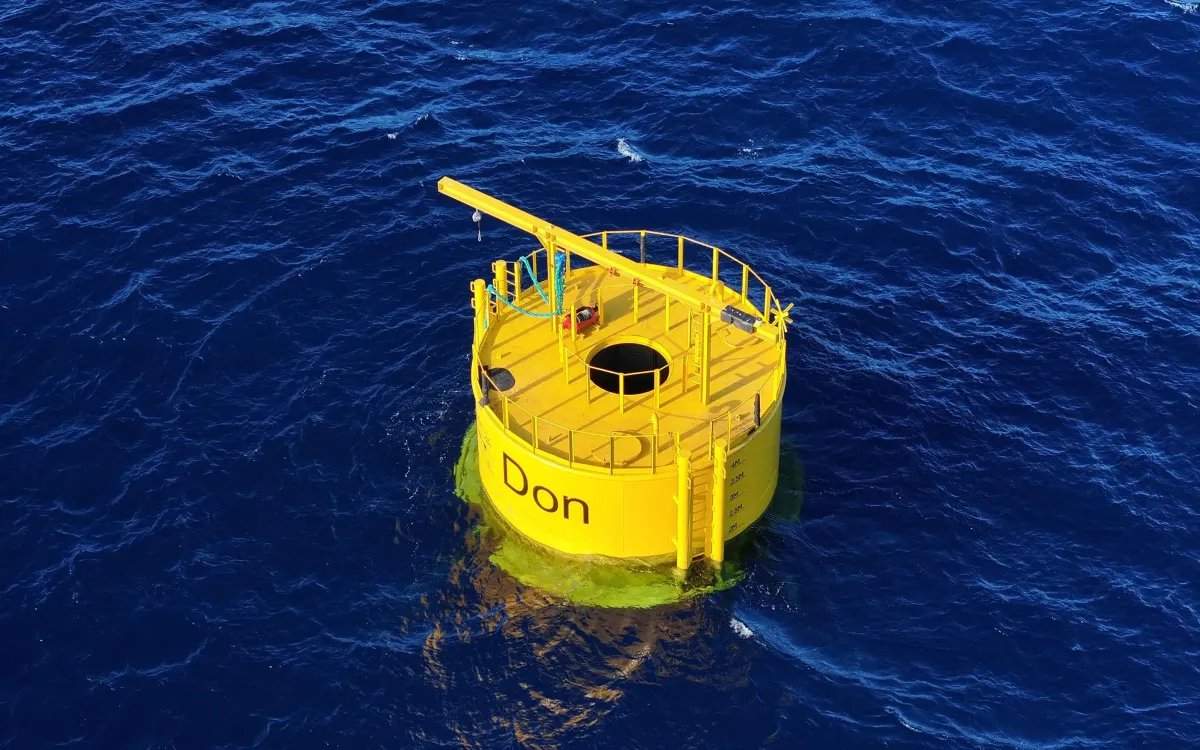
In Europe, the PLOTEC project led by the UK's Global OTEC completed the offshore installation of a floating OTEC prototype platform in Spain's Canary Islands in April 2026, and completed the connection of the vertical deep seawater intake riser. The project received 3.5 million euros in funding support from the EU's Horizon Europe program, mainly to verify the performance of the floating platform, cold water pipe, and connection structures under actual sea conditions, providing engineering validation for subsequent megawatt-scale ocean thermal energy systems.
Global OTEC is currently also advancing a 1.5MW floating OTEC platform scheme for São Tomé and Príncipe, and plans to expand capacity to 10MW by adding platforms. Compared with India's current project, which focuses mainly on island freshwater supply and small-scale power generation demonstration, related European projects have begun to push research and development priorities toward floating platforms, deep-sea water intake systems, and the engineering of megawatt-scale facilities.
Related Products





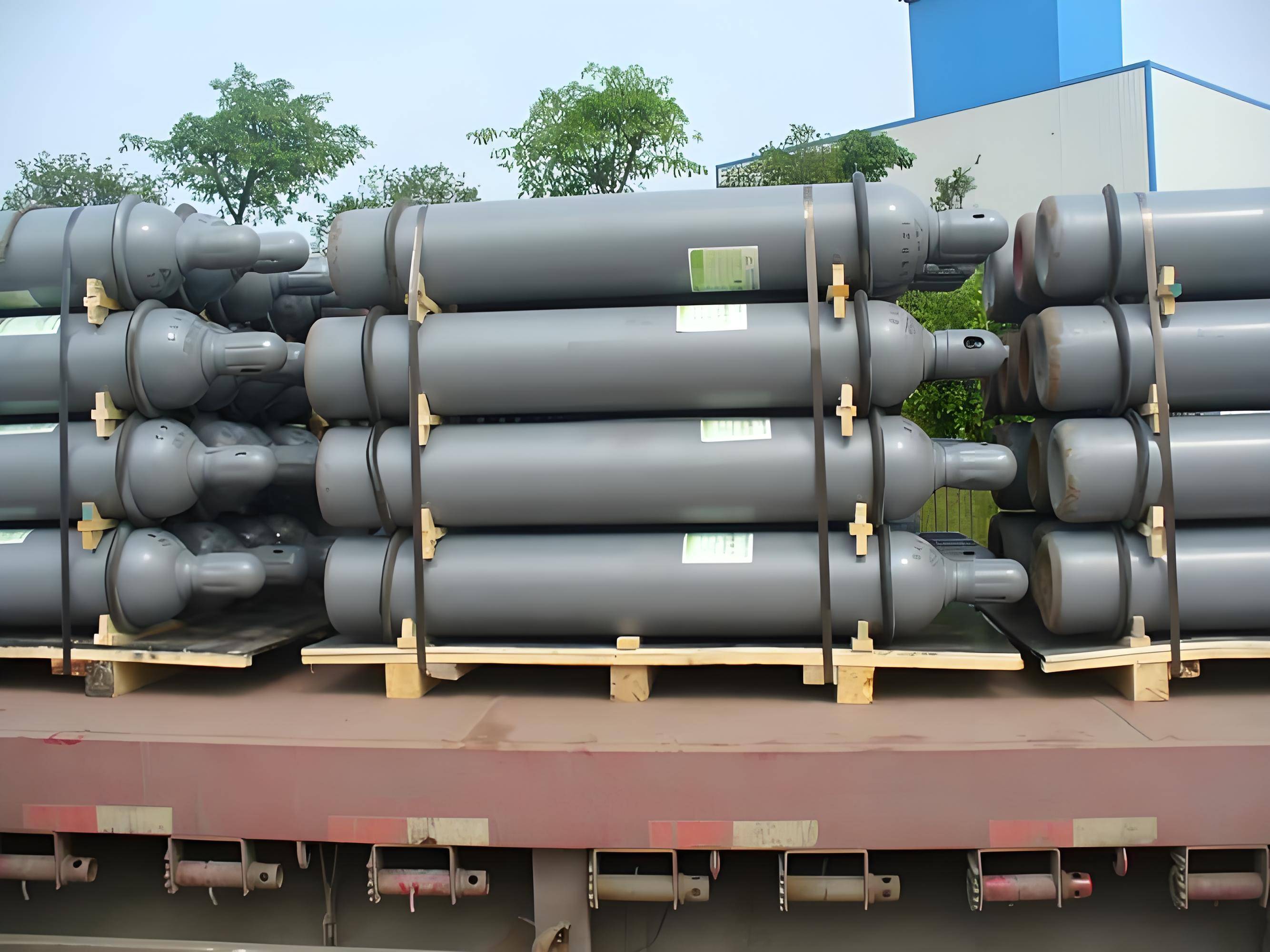
Global Sulfur Hexafluoride Gas Supply and Cylinder Export
Foshan Yuexin Industrial Gas Co., Ltd.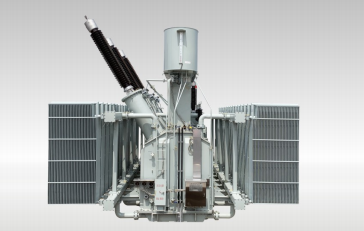
220kV and Below Voltage Level Energy-saving Oil-immersed Power Transformers
FuZhou TianYu Electric Co., Ltd.

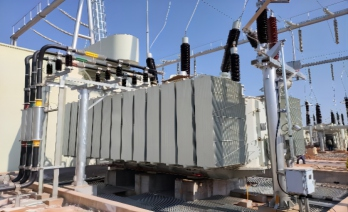

40.5kV-1100kV Gas Insulated Metal-Enclosed Switchgear (GIS)
Henan Pinggao Electric Co., Ltd.
VEG-12/24/40.5 Series Vacuum Circuit Breaker
SHANGHAI PINGGAO TIANLING SWITCHGEAR CO., LTD.