S&P Global: Canada's Oil Sands Production Expected to Rise to 3.5 Million Barrels per Day in 2026
en.Wedoany.com Reported - On September 29, S&P Global Energy released its latest forecast, projecting that Canada's oil sands production will average 3.5 million barrels per day in 2026, an increase of approximately 100,000 barrels per day compared with 2025, or about 3%, setting a new record high. Under the agency's current base-case scenario, Canada's oil sands production will continue to grow over the coming years and then plateau at approximately 3.9 million barrels per day in the early 2030s.
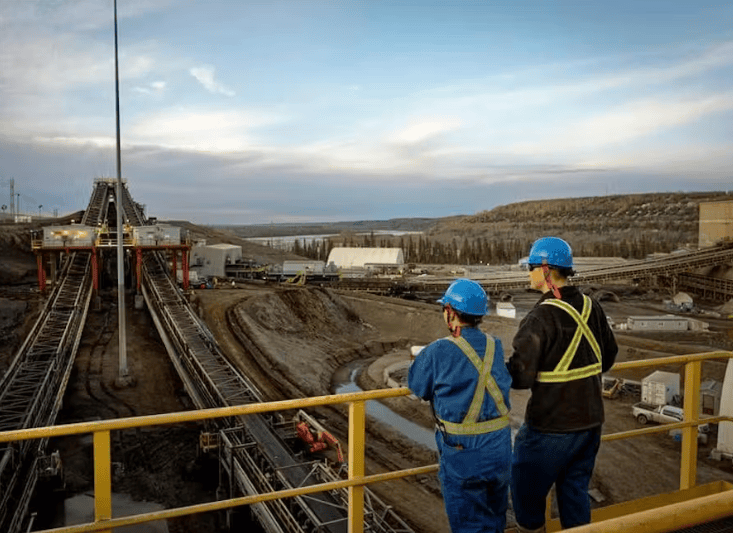
The additional production will come primarily from capacity optimization at existing oil sands projects rather than large-scale new construction. Most of Canada's existing major oil sands production facilities were built between 2009 and 2018, and in recent years the number of large greenfield oil sands projects under development has been limited. S&P Global expects that operators can continue to unlock additional production through optimization of existing mining areas, steam-assisted gravity drainage facilities and associated processing systems.
Canada's oil sands production has continued to expand over the past 25 years. In 2001, average annual production was approximately 300,000 barrels per day, and since then it has grown every year except 2020, when output declined due to the impact of the pandemic. Based on the 2026 forecast, oil sands production has increased more than tenfold compared with 2001.
S&P Global also raised its focus on medium- and long-term additional capacity. The agency estimates that among previously proposed but not yet advanced oil sands expansions and new projects, approximately 500,000 barrels per day of potential additional capacity has relatively high development feasibility, and this production has not yet been included in the current base-case forecast of 3.9 million barrels per day. Whether these projects move into the construction phase in the future will depend on project capital costs, shareholder willingness to invest, regulatory approvals and export capacity.
Export infrastructure and policy conditions are becoming important constraints on subsequent capacity expansion. The Canadian federal government and the province of Alberta have previously advanced a new energy cooperation framework and discussed building a new crude oil pipeline to Canada's west coast with a designed transport capacity of approximately 1 million barrels per day; the existing Trans Mountain expansion project has also increased Canada's ability to ship crude oil to the Pacific coast since it came into operation. S&P Global believes that pipeline expansion, adjustments to project approval mechanisms and changes to the industrial carbon pricing framework will directly affect whether new oil sands projects can proceed to investment decisions.
The next key policy milestone is the final implementation agreement among the Canadian federal government, the Alberta provincial government and the oil sands industry around the energy cooperation memorandum. S&P Global expects relevant details to be further clarified around November 15, 2026, with arrangements for project approvals, carbon pricing and additional export infrastructure set to become important conditions for judging subsequent new oil sands investment.
Related Products
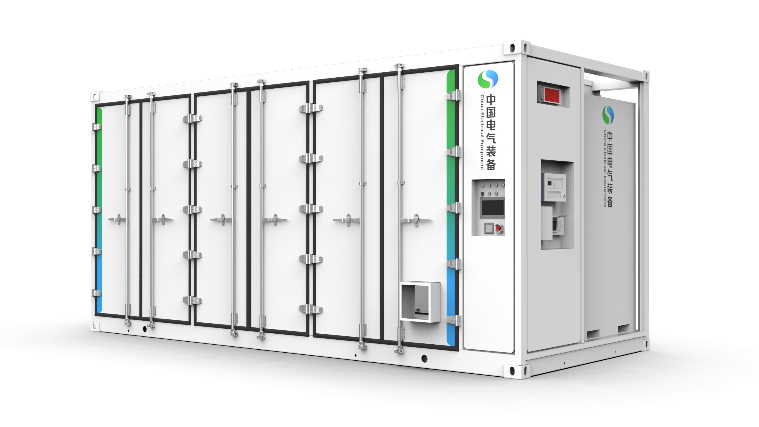

MESS8201-2507/5015-BN Prefabricated Liquid-cooled Energy Storage Battery Container
Xuchang Xuji Electric Science Energy Storage Technology Co., Ltd.
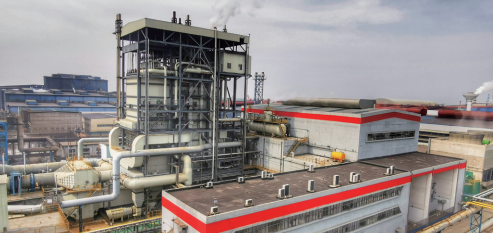
Jiujiang Pinggang 125MW Subcritical Gas Power Generation Project
Capital Engineering & Research Incorporation Limited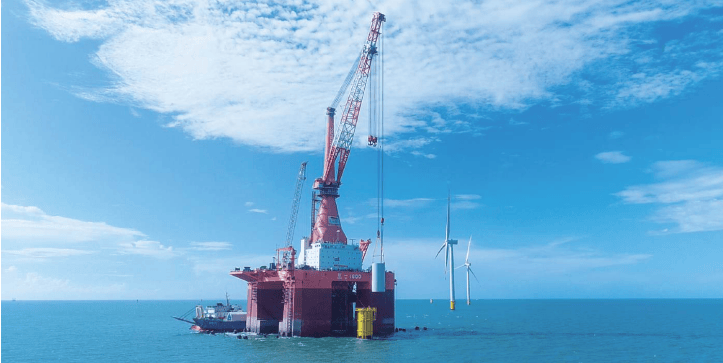
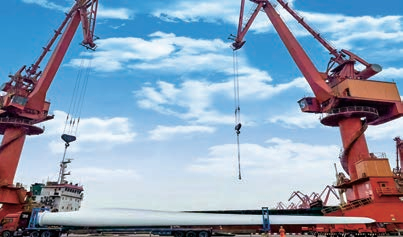
"Shunyi 1600" Deep-submerging Bottom-sitting Multi-functional Wind Power Engineering Vessel
Zhengli Offshore Engineering Co., Ltd.
Manufacturer Direct Sales Tesla New Energy Electric Vehicle Universal DC 180kW Dual-gun Charging Pile Commercial Fast Charger
Anhui Haidira Electric Technology Co., Ltd.