Central African Republic Releases First National Water Quality and Isotope Hydrology Atlas
en.Wedoany.com Reported - On October 5, the International Atomic Energy Agency (IAEA) released the Central African Republic's first national-level "Isotope Hydrology and Water Quality Atlas." The atlas compiles isotope hydrology data obtained by the country over the past nearly 10 years through IAEA technical cooperation projects, including national and regional water resource maps, water chemistry data, isotope data, and information on surface water and groundwater sampling points.
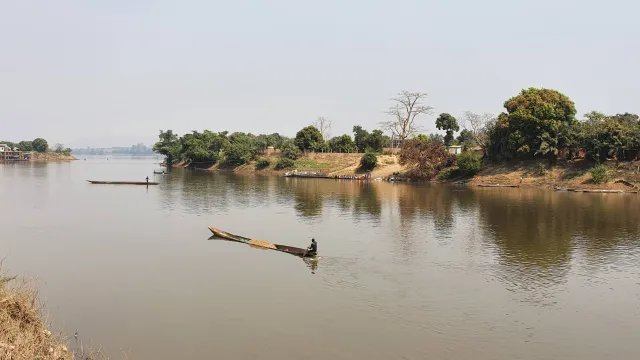
The atlas covers data on the water quality, availability, and sources of groundwater and surface water. The related investigations analyzed natural isotopes such as oxygen-18 and deuterium in water samples to record the sources, movement, and recharge processes of groundwater, and used tritium, carbon-14, and nitrate isotopes to obtain information on groundwater age, recharge rates, flow paths, and potential pollution sources.
Since 2009, the IAEA has supported the Central African Republic through its technical cooperation program in building isotope hydrology capacity, including personnel training, advanced study for researchers, technical assistance, and monitoring infrastructure development. The related work formed the data basis for a systematic investigation of the country's groundwater resources and identified some deep groundwater resources that are less affected by surface pollution.
The compilation of the atlas was launched at a national workshop in December 2021. Participating institutions included the Central African Republic's environmental authorities, mining and geological authorities, General Directorate of Water Resources, national water supply and sanitation agency, laboratories, and universities. United Nations agencies in Bangui, including UNESCO and UNICEF, also participated in the related work.
Previously compiled isotope hydrology materials have brought together survey results on precipitation, surface water, and groundwater in the Central African Republic and produced multiple thematic maps. According to IAEA technical cooperation materials, this batch of data comes from the agency's isotope hydrology projects implemented in the Central African Republic over the past more than ten years, and has been submitted to the country's water resource authorities for water resource planning and the formulation of related water laws.
The Central African Republic currently has a safe drinking water coverage rate of about 36%. The new atlas will serve as data material for subsequent water quality monitoring, groundwater investigations, and water resource planning by national water resource management departments, the University of Bangui, and other scientific research institutions.
Related Products
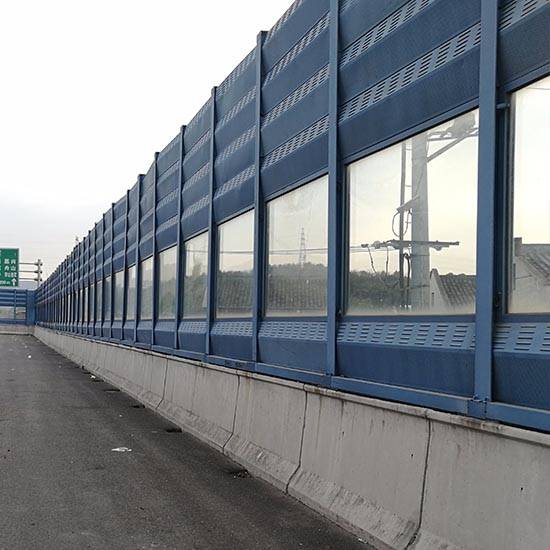

Metal sound barriers that can reduce the transmission of road noise
Hebei Jinbiao Construction Materials Tech Corp., Ltd.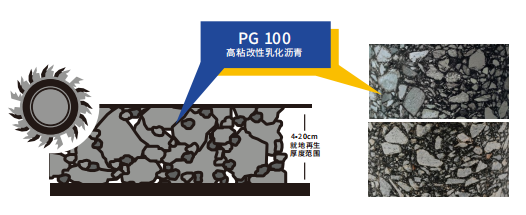
High-toughness in-Situ Cold Recycling Technology for Original Structural Layers
Central Fortune Creation Technology Group Co., Ltd.
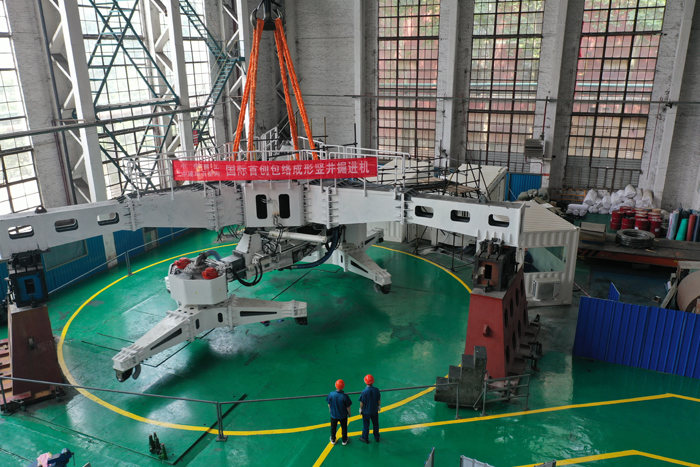
CITIC Heavy Industries Tunneling Equipment Tunnel Engineering Shield Machine
CITIC Heavy Industries Co., Ltd.
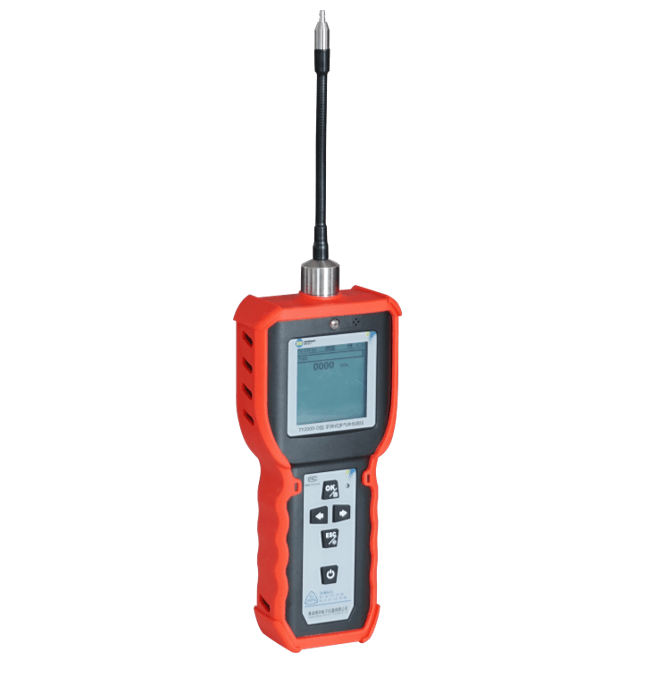
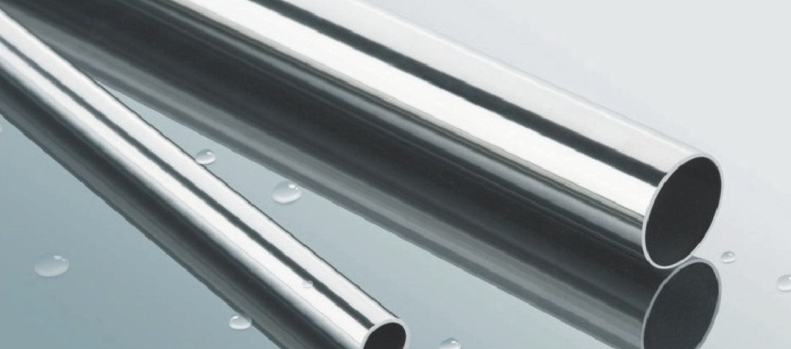
ERW Welded Pipe (Black Pipe and Hot-dip Galvanized Steel Pipe)
Handan Zhengda Steel Pipe Co., Ltd.

Acoustic Mineral Fiber Ceiling Tile 595x595x12mm
Shanxi Pano Trading Co., Ltd

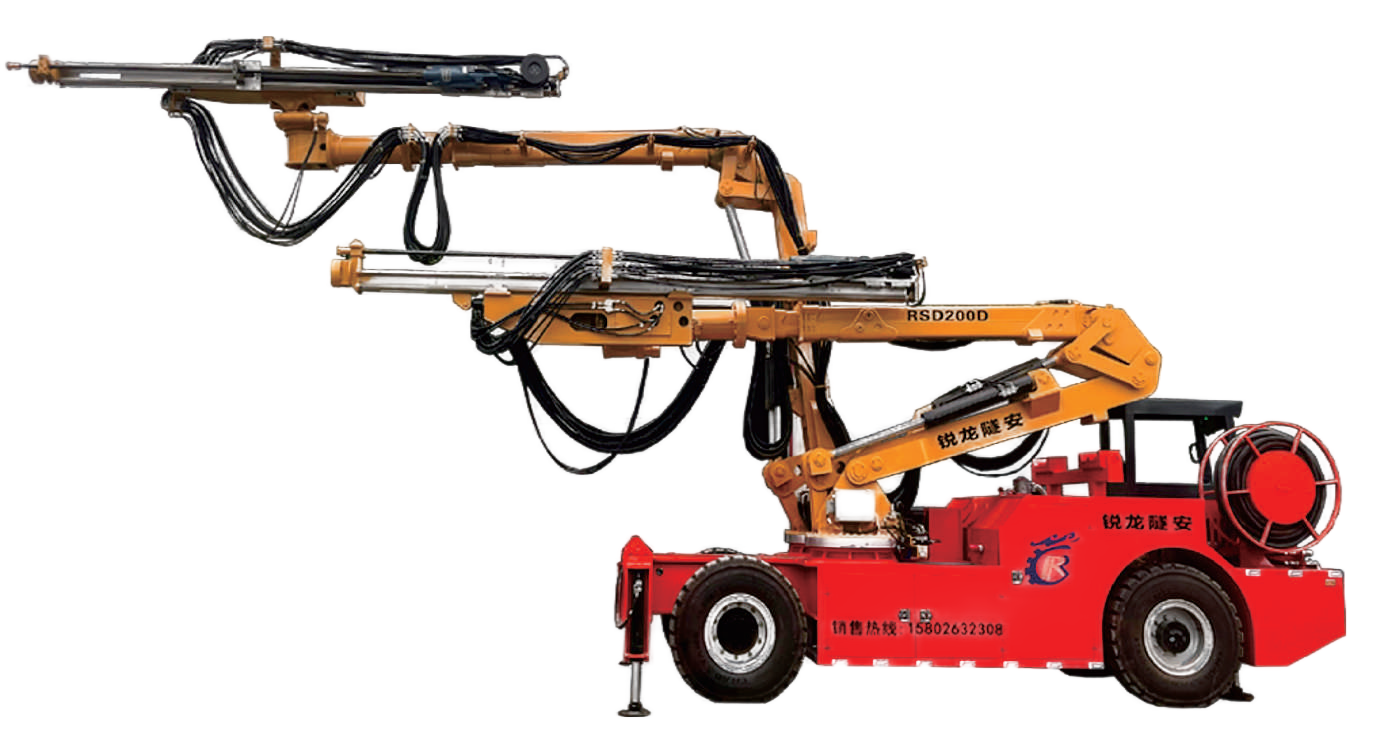
Dual-curved Arm Rock Drilling Trolley RSD200D
Chengdu Ruilong Machinery Manufacturing Co., Ltd.