US Proposes Revising LNG Facility Safety Standards to Include Membrane Tank Technology
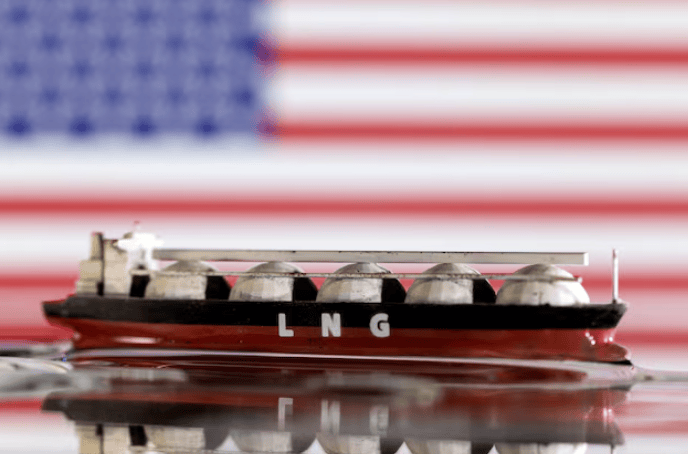
en.Wedoany.com Reported - On October 28, the Pipeline and Hazardous Materials Safety Administration (PHMSA), an agency under the US Department of Transportation, issued a proposed rulemaking to revise safety rules for liquefied natural gas facilities. The proposal would incorporate the 2026 edition of the National Fire Protection Association's NFPA 59A standard into regulatory requirements and allow facility operators to adopt technologies such as membrane tanks, pipe-in-pipe systems, and single-wall containers compliant with American Society of Mechanical Engineers standards. The US Department of Transportation estimates that the new rules could save approximately $100 million in costs annually once implemented.
The revision covers siting, engineering design, construction, operation, and maintenance of liquefied natural gas facilities. PHMSA plans to update the industry technical standards referenced in the current federal safety regulatory framework, bringing the new requirements of NFPA 59A into the construction and operational management of liquefied natural gas facilities.
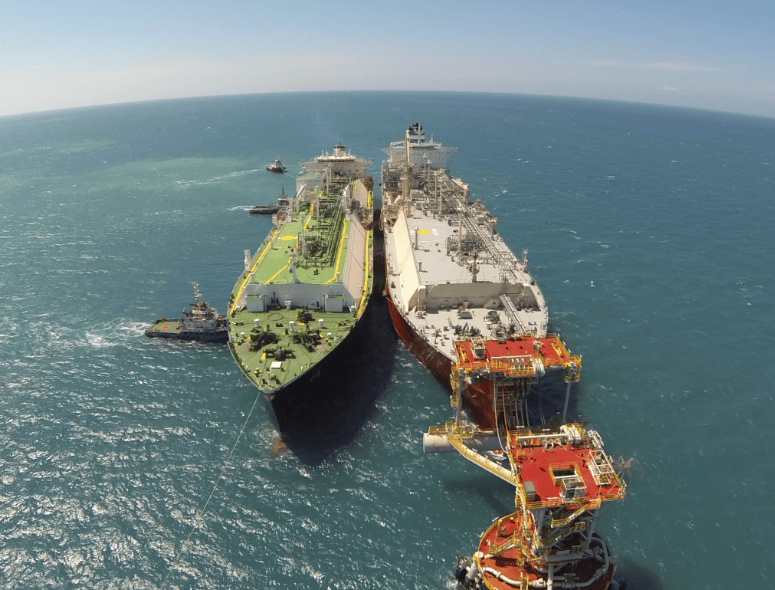
The technologies proposed for inclusion include pipe-in-pipe systems, single-wall containers compliant with American Society of Mechanical Engineers (ASME) standards, and membrane liquefied natural gas tanks. The new rules would provide a corresponding regulatory basis for projects adopting such equipment and storage structures, covering liquefied natural gas transmission pipelines, storage containers, and large tank projects.
What PHMSA issued is a Notice of Proposed Rulemaking (NPRM). The US Department of Transportation launched a preliminary rulemaking process in April 2025 to solicit industry input on adjustments to safety standards for liquefied natural gas facilities. The new proposal of October 28 brings specific technical solutions and the new edition of industry standards into the formal rule revision process.
The estimated annual cost savings of approximately $100 million proposed by the US Department of Transportation is a regulatory estimate of the effects of implementing the proposed rule, not operational savings already achieved. This policy adjustment remains at the proposed stage, and the specific applicable requirements for the relevant technologies and standards are subject to the final regulations.
Related Products

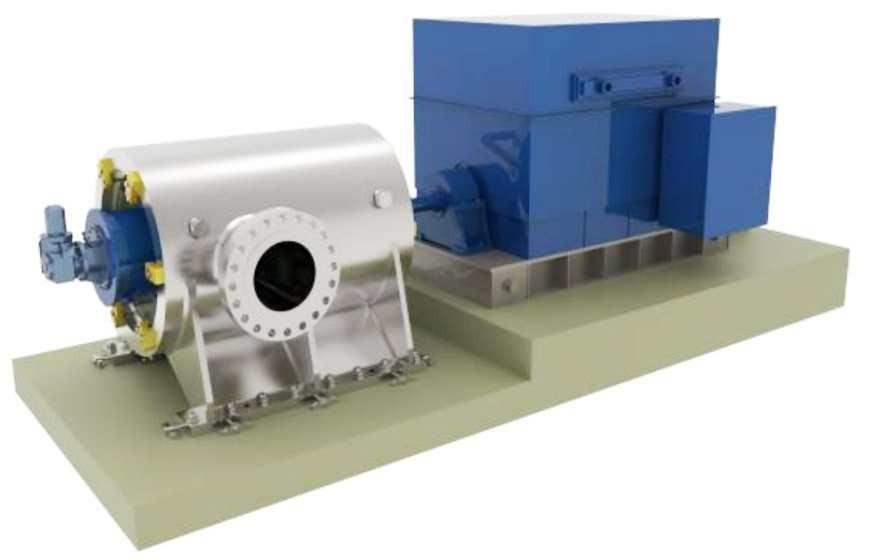

Environmentally Friendly Flame-retardant PVC Double-layer Insulated Wire
Sichuan Chndo Cable Co., Ltd.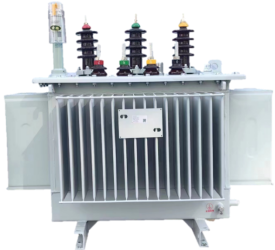
Oil-immersed Amorphous Alloy Core Distribution Transformer
Pinggao Group Smart Electric Co., Ltd.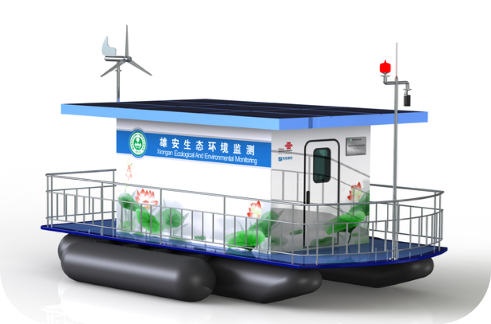
Floating Boat Water Quality Automatic Monitoring System
Hebei Sailhero Environmental Protection High-tech Co., Ltd.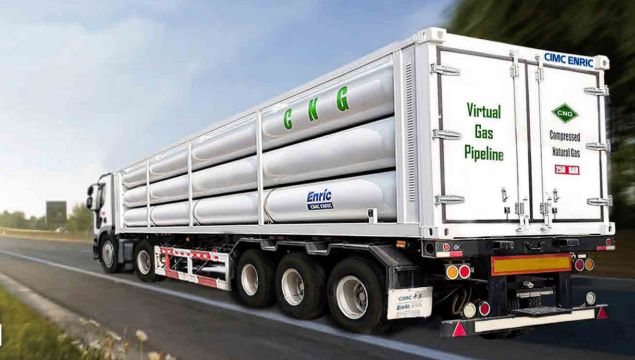
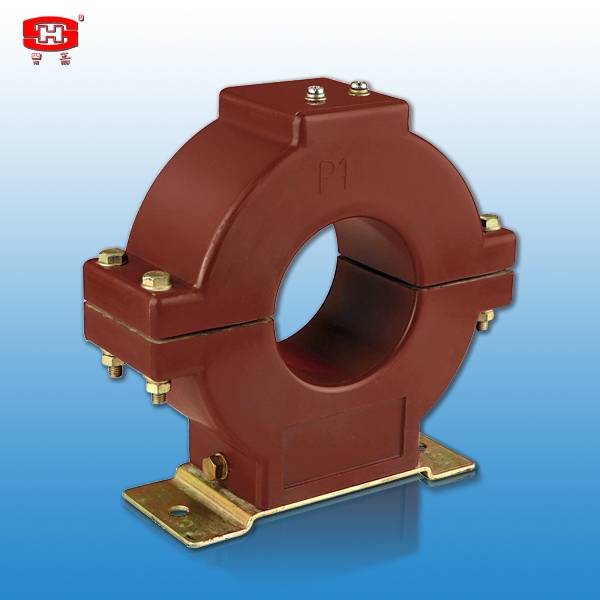
0.66kV Power Supply Instrument Transformer
Guangdong Sihui Instrument Transformer Works Co., Ltd.
6kV-35kV Medium and High Voltage Direct-Connected Energy Storage System
Hainan Jinpan Smart Technology Co., Ltd.
HI-Pro Green Hydrogen High-efficiency Production System-HI-PRO-AEM
Hydrizon Technology (Beijing) Co., Ltd.