366-Meter Container Ship Towed and Berthed at the Port of Taranto, Italy
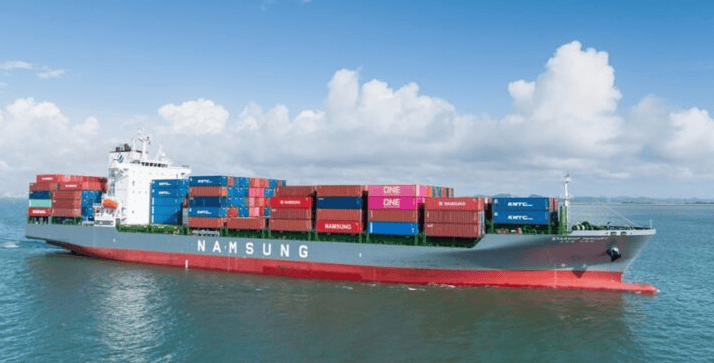
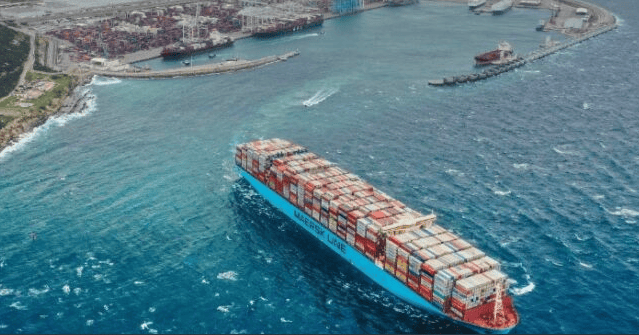
en.Wedoany.com Reported - On the morning of October 30, the MSC ultra-large container ship "MSC Clorinda" completed berthing operations at the Port of Taranto, Italy, at the Molo Polisettoriale terminal. The ship, flying the flag of Panama, lost its propulsion system and self-propulsion capability due to a fire in its main engine. It was towed by an ocean-going tug from the Mediterranean Sea to the Gulf of Taranto, and subsequently entered the port area and completed berthing with the assistance of harbor tugs and under the command of two pilots. The Port Authority and the Ionian Sea Port System Authority coordinated the port entry and berthing operations throughout.
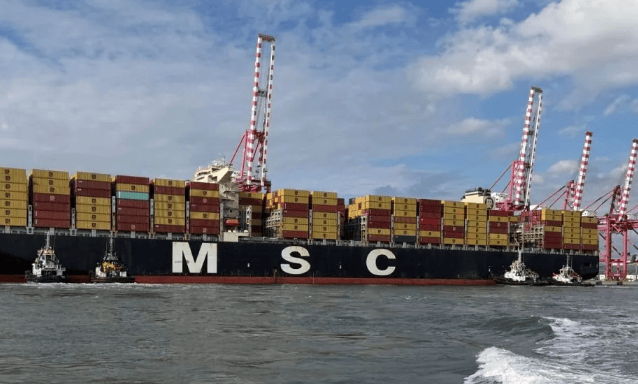
The core engineering challenge of this operation was safely moving a 366-meter vessel without power from open waters into the port and berthing it with precision. The process was divided into two relay stages: ocean-going tugs were responsible for towing the vessel from the Mediterranean to the anchorage in the Gulf of Taranto; harbor tugs and two pilots, under the coordination of the Port Authority, were responsible for the port entry and berthing from the anchorage to the Molo Polisettoriale terminal. With the vessel itself having no power, deceleration, turning, and lateral positioning during the berthing phase relied entirely on the thrust configuration of the tugs and the maneuvering commands of the pilots, rather than on the vessel's own rudder and main engine.
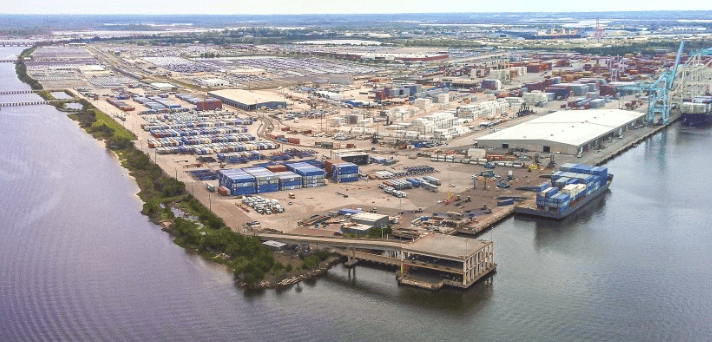
The technical parameters of "MSC Clorinda" determined the difficulty of this operation. The vessel has an overall length of approximately 366 meters, a beam of approximately 51 meters, a container capacity of approximately 14,000 TEU, a deadweight of approximately 165,000 tonnes, and was built in 2012. The water depth at the Molo Polisettoriale terminal berth front has been dredged to -16.5 meters, capable of accommodating 14,000 TEU-class container ships. The vessel's dimensions and the terminal's water depth conditions together formed the baseline parameters of the berthing plan: when a 366-meter vessel turns within the port, the number and power of tugs required, as well as the pilots' anticipation of the vessel's inertia, are far more demanding than for conventional vessels.
After berthing is completed, the vessel will remain at the Port of Taranto for several weeks to carry out two operations simultaneously: the commercial operation of unloading containers from the ship, and technical repairs to the propulsion system. The Port Authority has formulated a continuous monitoring plan for the entire berthing period, with the local mooring workers' team responsible for regular inspection of the mooring line status. With these two operations running in parallel, the terminal berth must simultaneously reserve space and access for repair work during container unloading, which imposes additional requirements on the allocation of the berth's operational areas.
Related Products


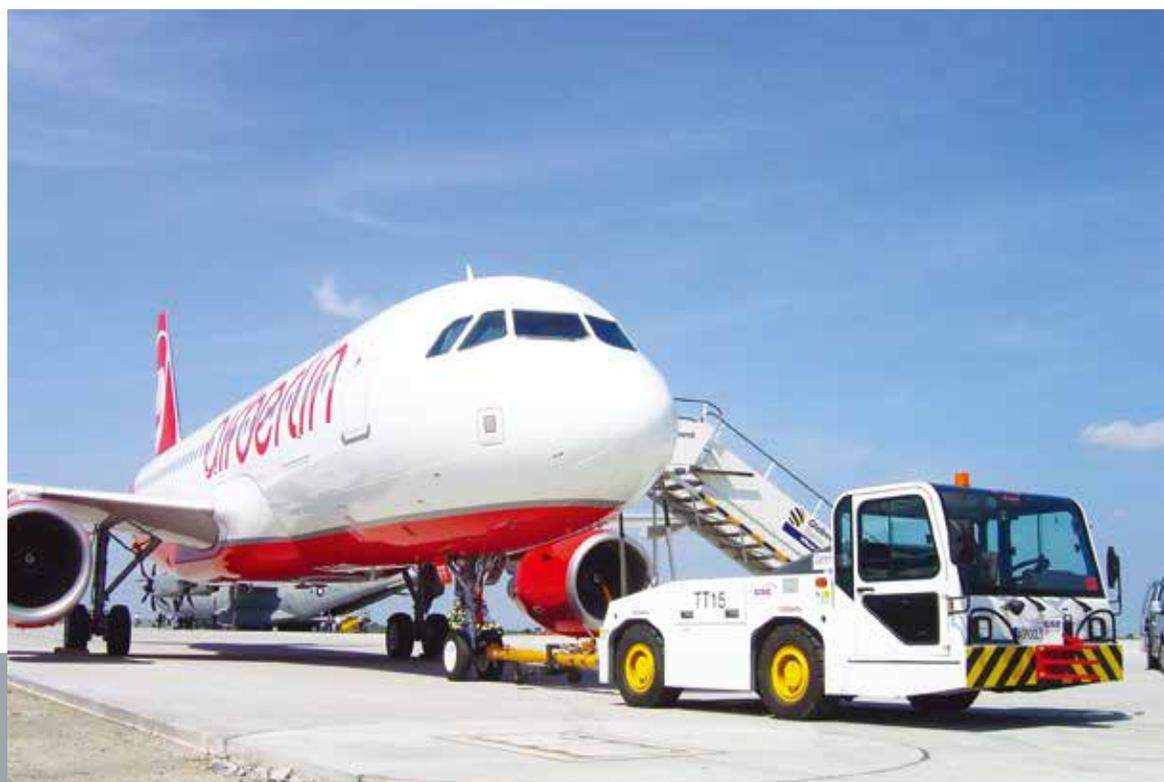
WGQY Series Aircraft Tow Tractor-WGQY15, WGQY27
Weihai Guangtai Airport Equipment Co., Ltd.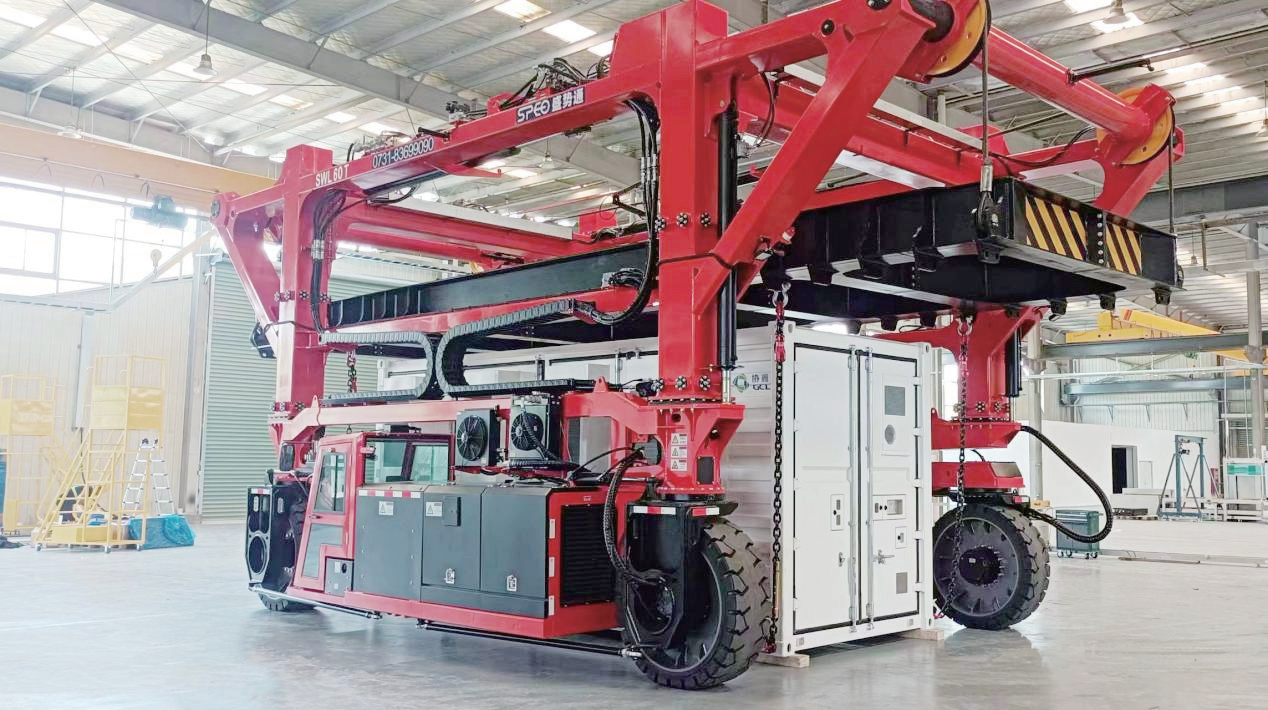

Wheel and Track Technology Business
Beijing Research & Design Institute of Rubber Industry Co., Ltd.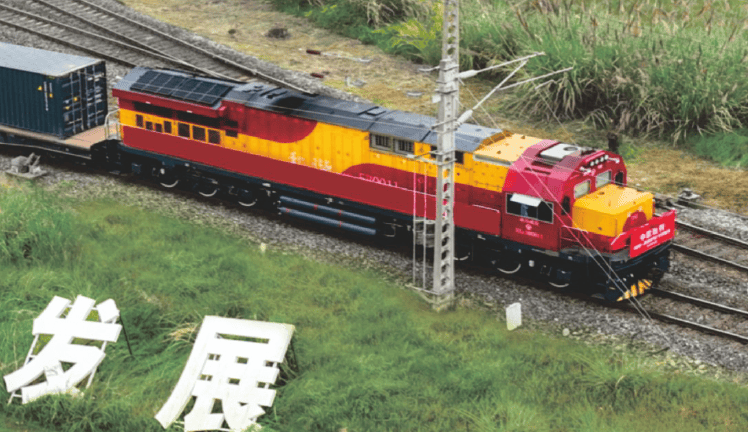
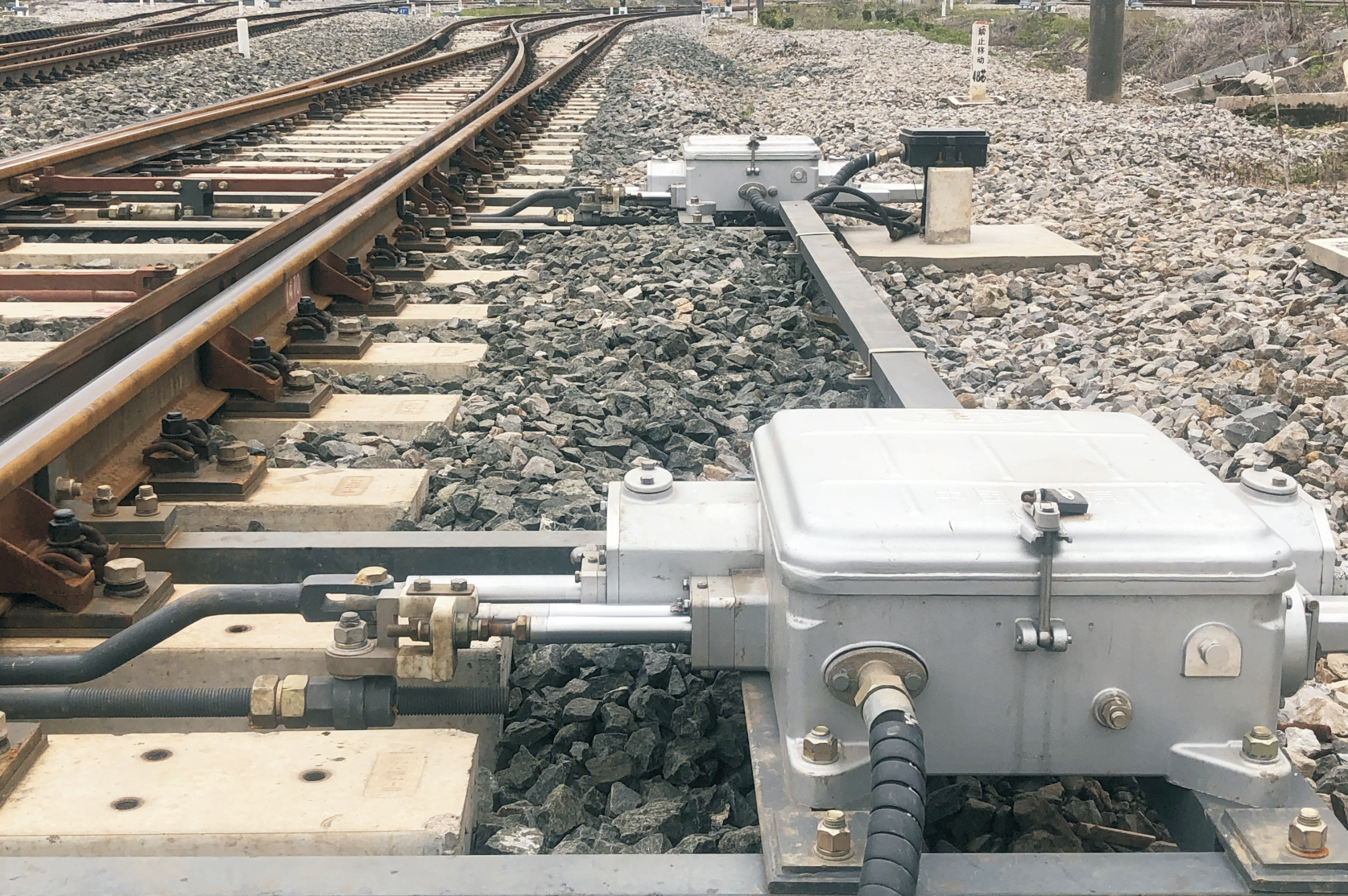
ZY(J)7(M) Sealed Type Electro-Hydraulic Turnout Machine
TAIYUAN CR JINGFENG EQUIPMENT TECHNOLOGY CO., LTD.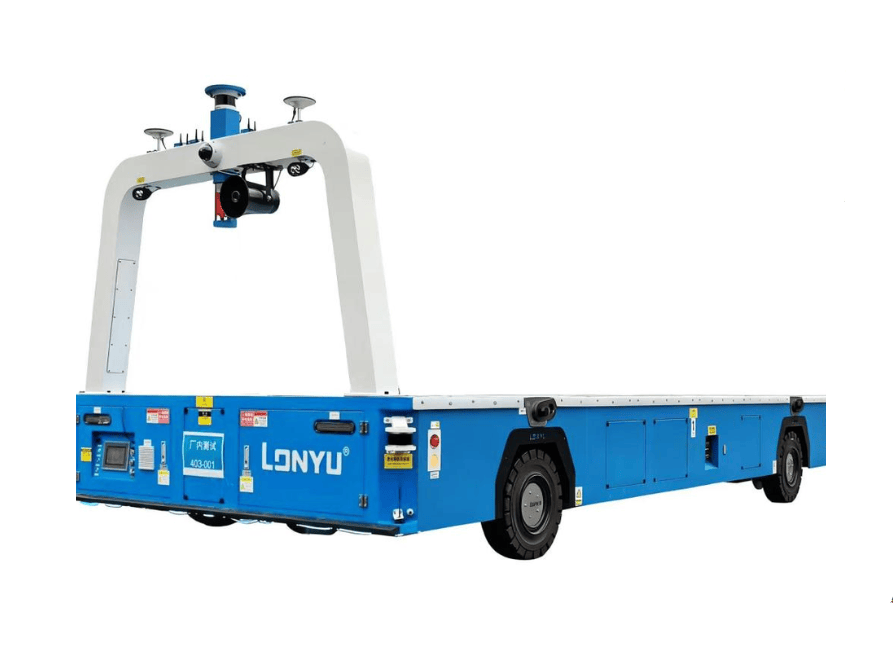
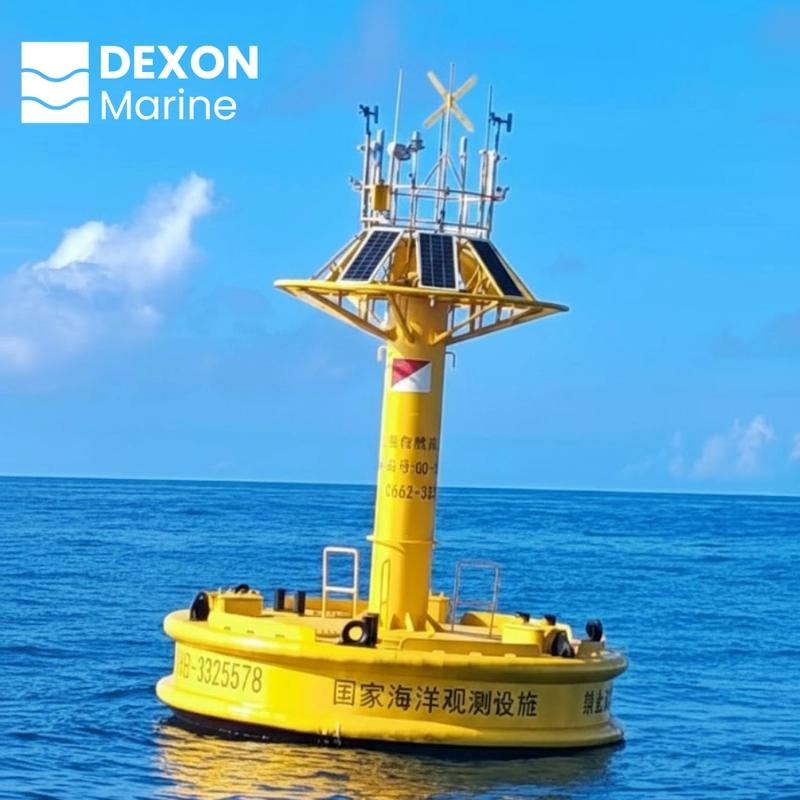
3m intelligent buoy combining navigation safety and real-time marine monitoring integrated navigation and marine monitoring system for real-time maritime data
Chengdu Dixin Technology Co., Ltd.