U.S. Pauses Tariff Increases on Imported Industrial Robots and Machinery
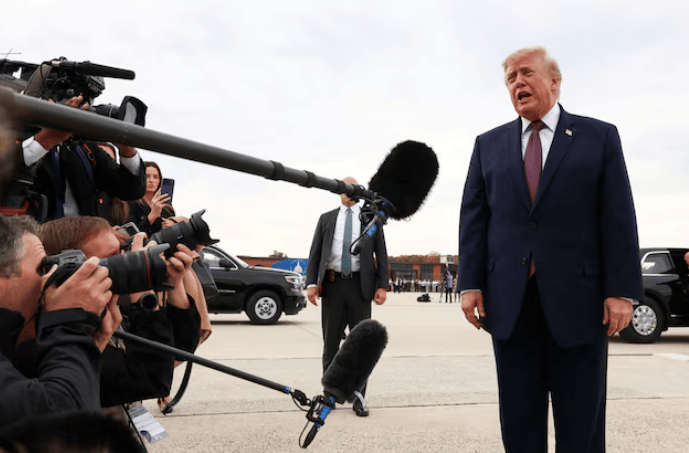
en.Wedoany.com Reported - On October 28, U.S. President Trump signed Presidential Proclamation No. 11077, deciding to temporarily refrain from imposing new tariffs on imported industrial robots, industrial machinery, and related components, and instead requiring the U.S. Department of Commerce and the Office of the U.S. Trade Representative to jointly conduct trade negotiations. The two agencies must submit a report on the progress of negotiations within 180 days after the signing of the proclamation, and may subsequently adopt tariffs, import quotas, and other trade restrictive measures based on the negotiation results.
The U.S. Department of Commerce had previously initiated a national security investigation under Section 232 of the Trade Expansion Act of 1962 into imports of industrial robots, industrial machinery, and components. The investigation concluded that the United States has a high degree of import dependence on multiple categories of robots and industrial machinery and equipment, that domestic production capacity cannot yet meet the needs of relevant industries, and that some foreign-supplied equipment also involves cybersecurity and data processing risks.
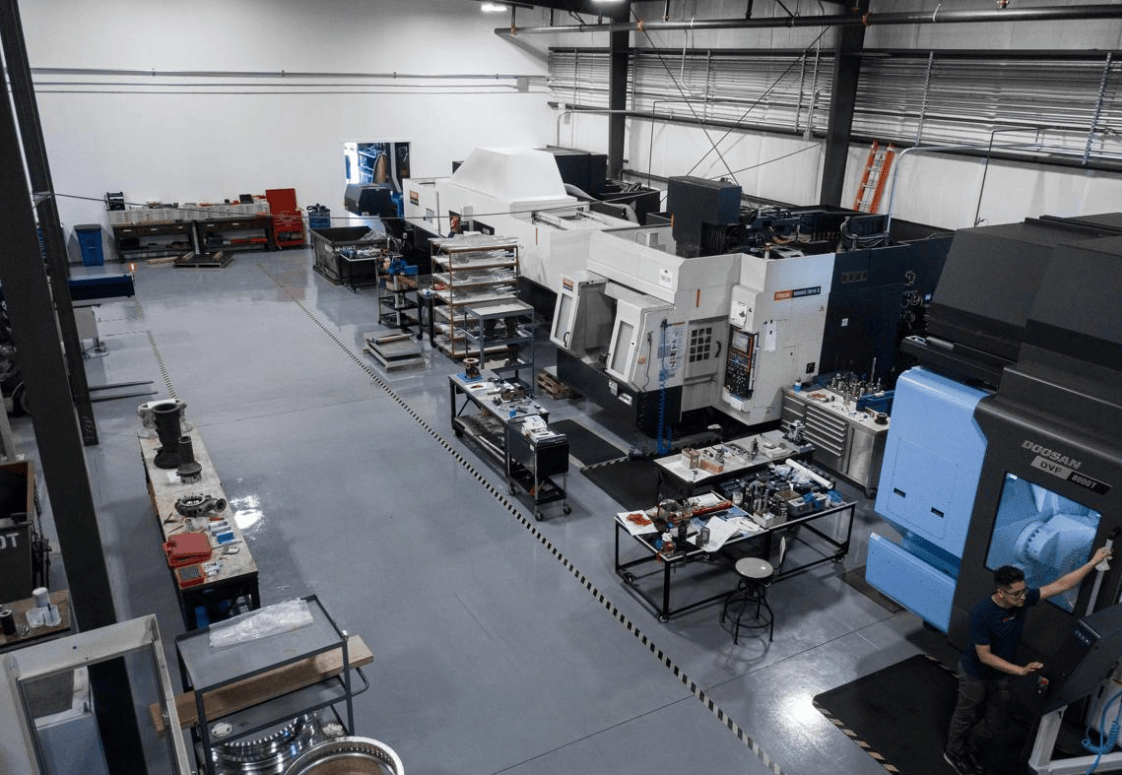
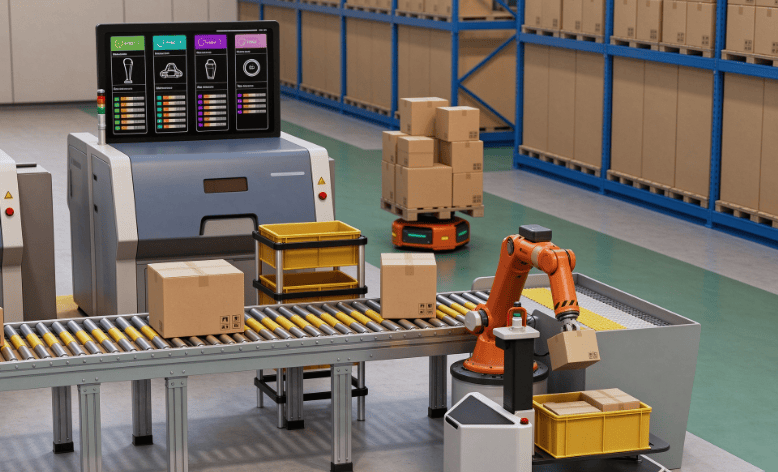
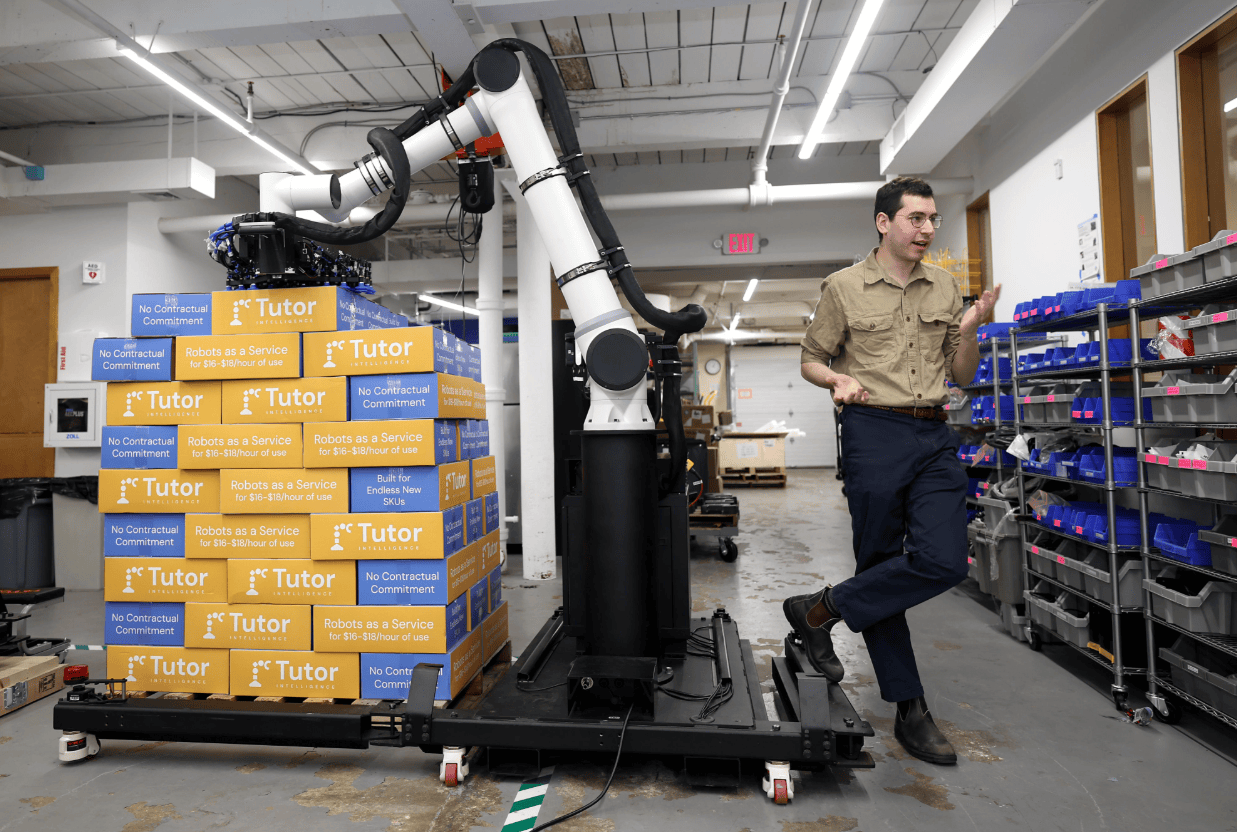
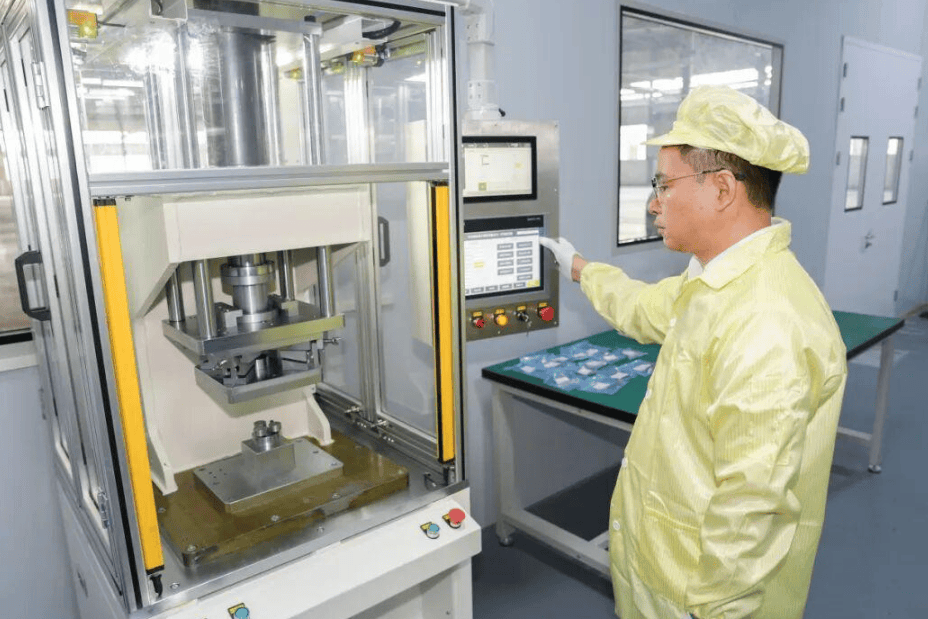
The investigation covered programmable industrial robots, CNC machine tools, stamping equipment, press-working machinery, autoclaves, industrial furnaces, and laser and waterjet cutting equipment. Such equipment is widely used in the automotive, electronics and electrical, metalworking, chemical, food and beverage, and aerospace manufacturing industries, and components were also included in the scope of this policy adjustment.
In the proclamation, Trump required the Department of Commerce and the Office of the U.S. Trade Representative to jointly advance or continue consultations with trading partners and to report regularly on the status of negotiations. The Department of Commerce must also continuously monitor the import situation of relevant products and assess whether further trade measures are needed.
The proclamation retains policy options for future adjustments to import tariff rates, imposition of additional fees, setting of import quotas, and establishment of investment incentive programs for domestic U.S. manufacturing of robots and industrial machinery. If trade negotiations fail to reach an agreement within 180 days, or if the implementation of relevant agreements does not meet expectations, the U.S. government may take follow-up actions under Section 232.
The presidential proclamation was officially published in the Federal Register on November 2, 2026, under document number 2026-22385. The proclamation did not set new tariff rates for this round, nor did it announce implementation dates for new tariffs targeting specific countries or specific equipment categories.
Related Products

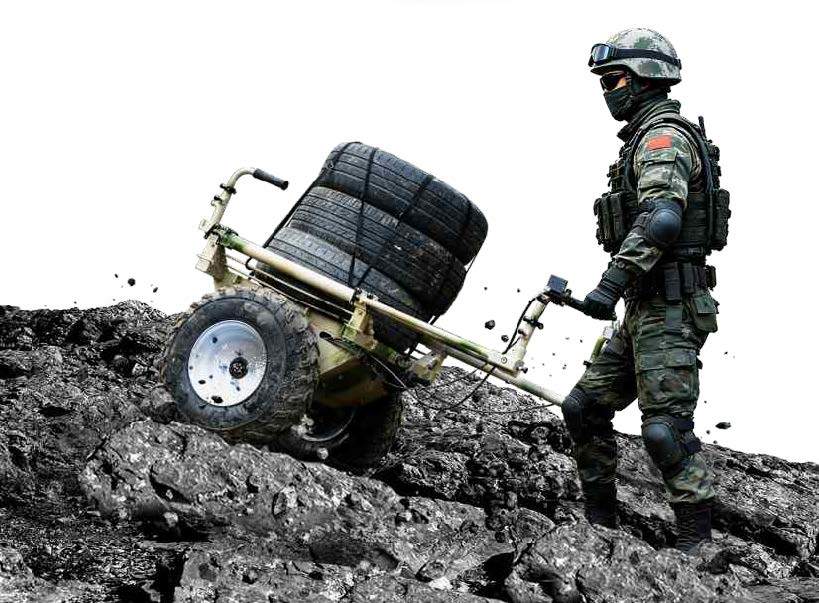
Tactical Individual Carrying Handcart Platform
Automation Research Institute Co., Ltd. of China South Industries Group Corporation

Pneumatic high-pressure wear-resistant ball valve
Zhejiang Deca Control Valve Meter Co., Ltd.

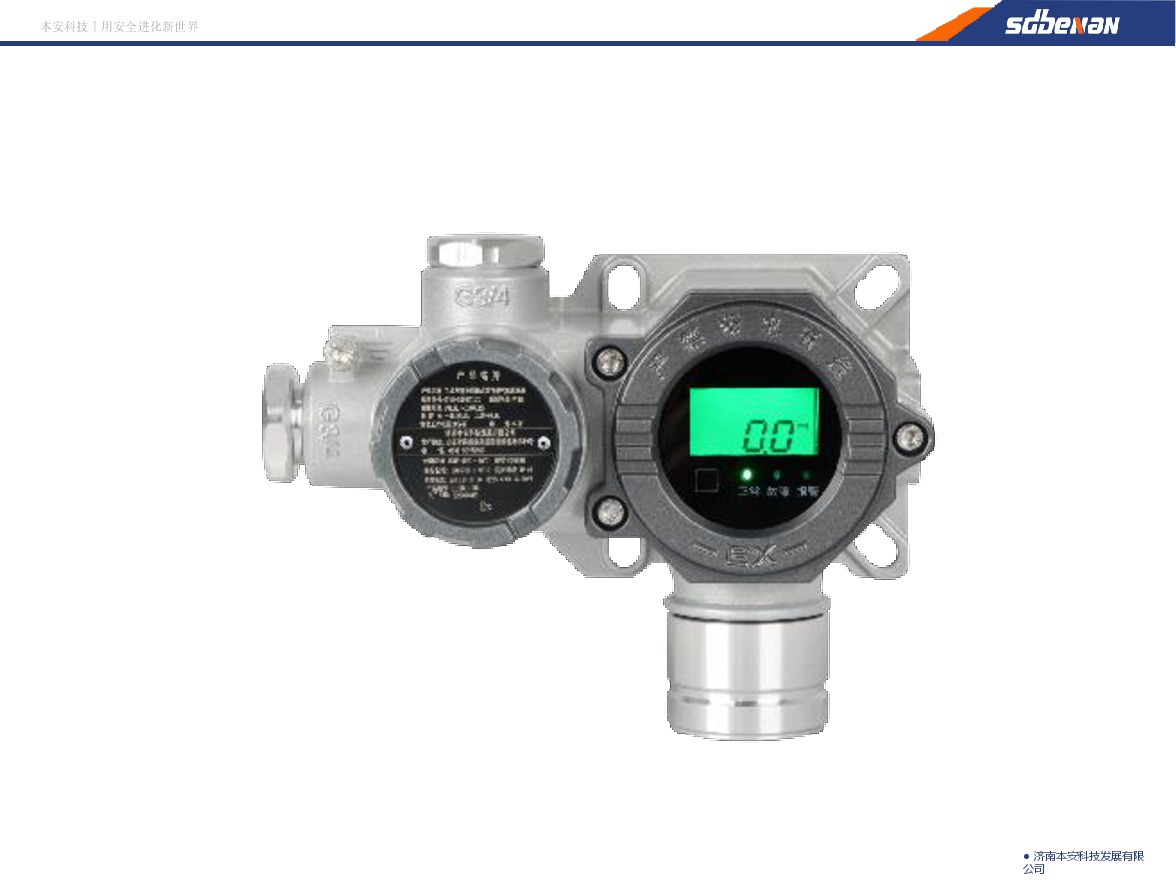
Industrial and Commercial Point-Type Gas Detector
Jinan Benan Technology Development Co., Ltd.