US Long-Duration Energy Storage Development Constrained by Lithium Battery Financing Advantages
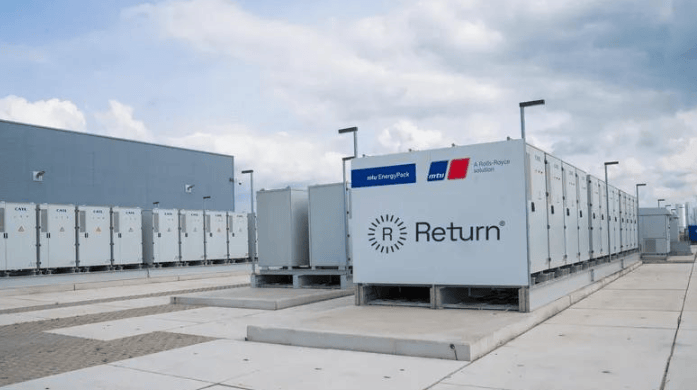
en.Wedoany.com Reported - On November 2, lithium-ion battery energy storage systems (BESS) dominate the US energy storage market by virtue of mature business models, relatively high financing recognition, and cost advantages, but their financing advantages may also limit the commercialization of other long-duration energy storage technologies. One of the main obstacles facing long-duration energy storage projects is that project revenue mechanisms and financing systems have not yet fully reflected the long-term supply value of different energy storage technologies.
According to the definition adopted by the US Department of Energy, long-duration energy storage generally refers to energy storage technologies with a continuous discharge duration of 10 hours or more, capable of covering power supply needs for several days, weeks, or even months, and is mainly used to address prolonged periods of low wind and low sunlight as well as seasonal changes in energy supply and demand. By comparison, medium-duration energy storage is typically 8 to 24 hours and is mainly used for daily load shifting. Definitions of long-duration energy storage vary across institutions and markets, and some commercial projects even classify 4-hour energy storage systems as long-duration energy storage.
As of July 2026, the operating capacity of utility-scale battery energy storage systems in the United States has exceeded 50 GW; in the first quarter of 2026, 9.7 GWh of new battery storage was installed, a year-on-year increase of 32%. Utility-scale energy storage installed capacity in California, Texas, and Arizona reached 60 GWh, 29.2 GWh, and 20.2 GWh, respectively. It is expected that by 2031, cumulative operating battery storage in the United States will reach 200 GW/655 GWh, with approximately 85% of new installations from 2026 to 2031 coming from the utility sector.
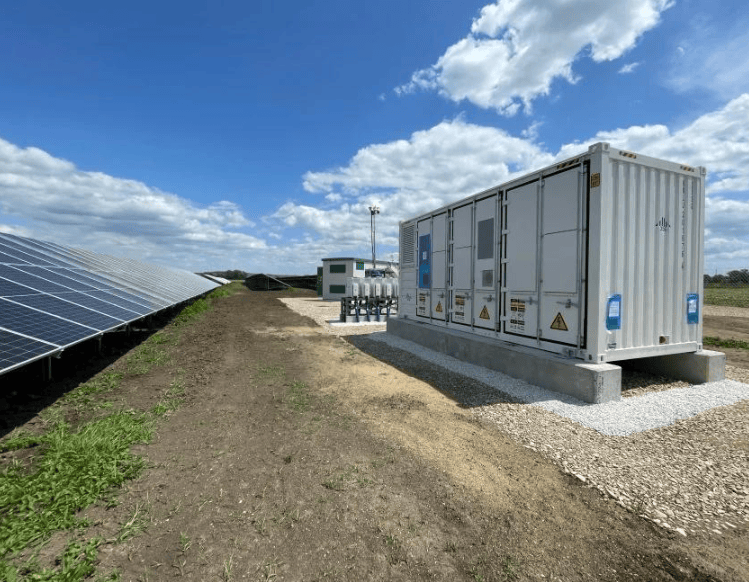
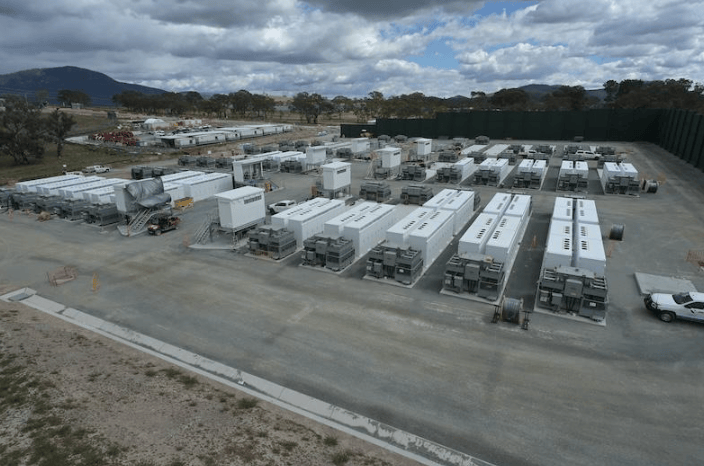
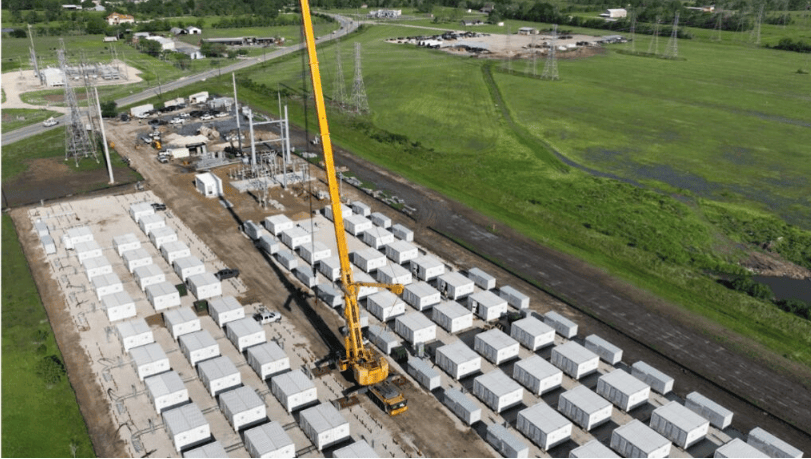
Lithium-ion batteries offer advantages in commercial maturity and economics and can readily obtain project financing, but their typical storage duration remains mainly about 4 hours, making it difficult to fully meet multi-day continuous supply needs. Under the stricter US standard of 10 hours or more, cumulative long-duration energy storage installed capacity is approximately 16 GWh, of which pumped hydro storage accounts for more than 90%, leaving considerable room for development of other emerging energy storage technologies. The Tumbleweed energy storage project in California provides a case of extending the storage duration of lithium batteries, with a configured power of 125 MW, an energy storage capacity of 1,000 MWh, and a duration of 8 hours.
The choice of energy storage technology needs to be aligned with the future power system's generation mix and actual load demand. In scenarios where combined-cycle natural gas generating units operate in conjunction with long-duration energy storage systems, even if the round-trip efficiency of the long-duration energy storage system is only 60%, it may be more efficient than burning additional natural gas for peak shaving. Technical benchmark data from Sandia National Laboratories show that lithium-ion batteries have a round-trip efficiency of 85% to 95%, while flow batteries and metal-air batteries are approximately 70% to 80%. At present, the economics of 4-hour lithium battery energy storage systems remain superior to those of 8-hour and 10-hour systems, and the commercial economics of the latter two still have room for improvement.
Existing US electricity markets and capacity compensation mechanisms are mainly designed around short-duration power supply and insufficiently reflect the system value of multi-day continuous supply. The Long Duration Energy Storage Council has noted that some states are preparing relevant issues for legislative sessions in early 2027, including procurement arrangements and dedicated support mechanisms for energy storage projects of 8 hours or more. In the future, whether market compensation mechanisms can cover the actual system value of long-duration energy storage will affect the ability of alternative technologies to obtain financing and expand commercial deployment.
Related Products

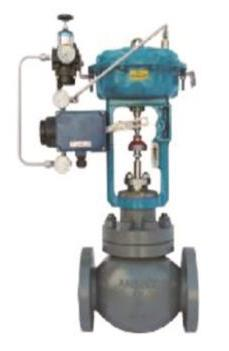
Quick-Change Single-Seat Control Valve / Quick-Change High-Pressure Single-Seat Control Valve
Beijing Consen Automation Technology Co., Ltd.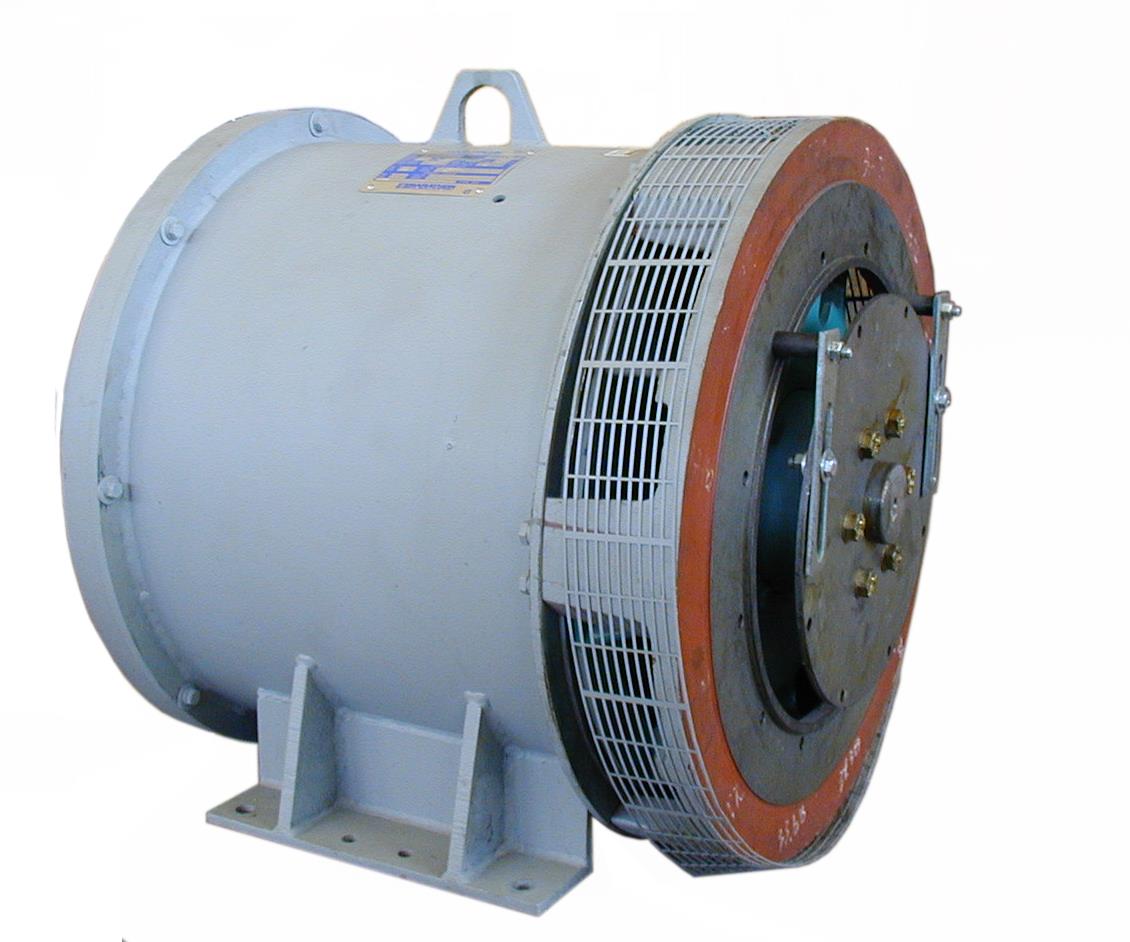
Forest and Grassland Heat Source Infrared Monitor
China Huayun Meteorological Technology Group Co., Ltd.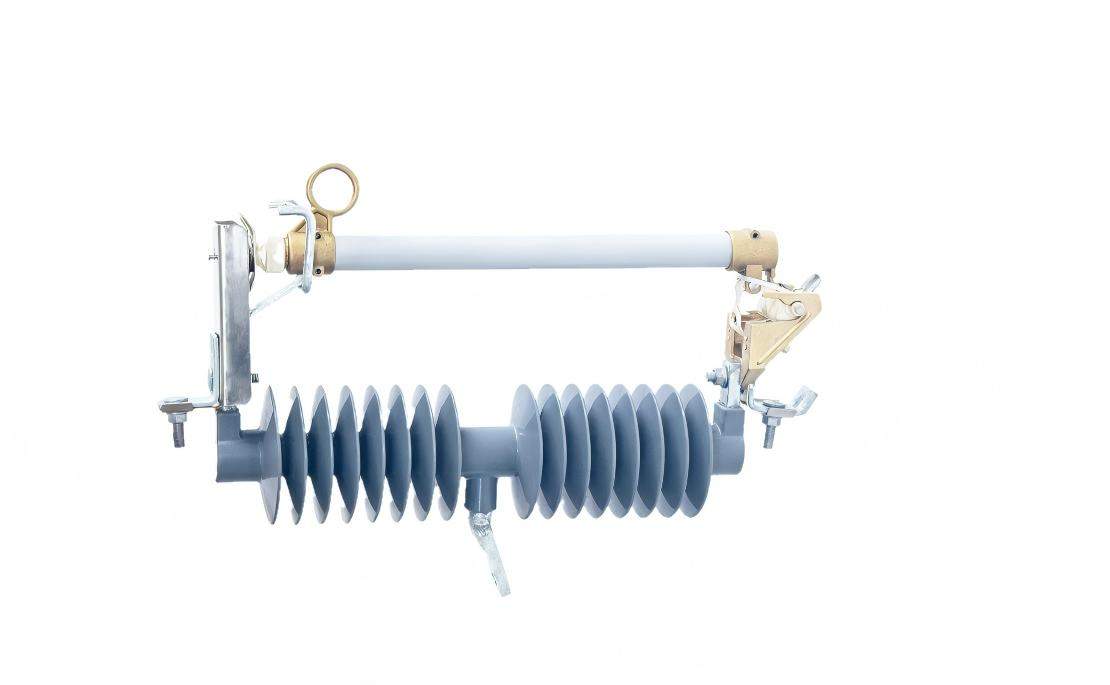
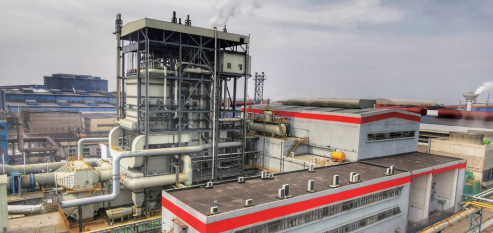
Jiujiang Pinggang 125MW Subcritical Gas Power Generation Project
Capital Engineering & Research Incorporation Limited
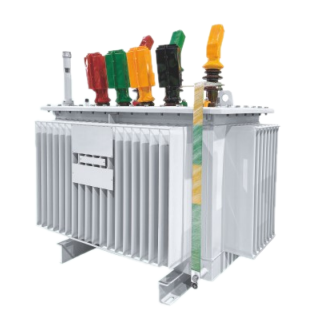
IS(B)□-M·RL Series Oil-immersed 3D Transformer (Planar / 3D Wound Core)
Guangdong Kehua Electric Power Technology Co., Ltd.