Danish Cross-Border Hydrogen Pipeline Secures 557 MW Capacity Booking
en.Wedoany.com Reported - On November 4, Danish national energy transmission system operator Energinet announced that the Danish Hydrogen Backbone 1 hydrogen pipeline project, planned to connect Denmark and Germany, has signed transmission capacity booking agreements totaling 557 MW, exceeding the Danish government's minimum booking requirement of 500 MW and completing the first market entry threshold approximately one month ahead of schedule. The project is planned to be operational by the end of 2030 and is currently in the development and capacity sales phase.
The capacity bookings came from participants in the Danish hydrogen market, with the transmission capacity corresponding to the signed agreements amounting to 0.557 GW. Market participants on the German border side have also booked the same scale of transmission capacity, and the relevant booking data can be queried through PRISMA, the European gas and hydrogen capacity trading platform. The platform displays capacity on a hydrogen higher heating value basis, while the Danish government's minimum booking requirement uses the lower heating value basis.
According to Denmark's hydrogen infrastructure policy revised in September 2026, companies may cancel existing capacity booking agreements before December 31, 2027. The next key threshold for the project is to obtain at least 100 MW of economically binding capacity commitments by the end of 2027, and the relevant companies must provide financial guarantees as required.
The Danish government has previously increased the project's operational support funding from DKK 10.9 billion to DKK 16.5 billion, an increase of DKK 5.6 billion. At the same time, the cap on potential stranded costs borne by the state upon project termination has been raised to DKK 2.1 billion, with the relevant guarantee period extended to early 2028.
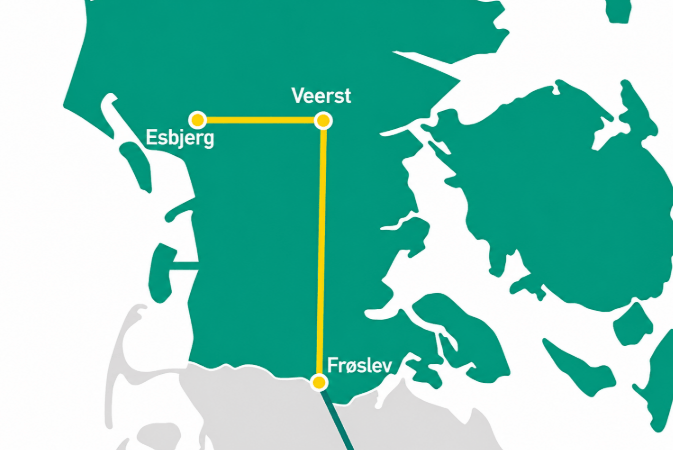
Danish Hydrogen Backbone 1 plans to build approximately 133 kilometers of hydrogen transmission infrastructure connecting the Esbjerg region of Denmark with the German border, employing an engineering approach that combines newly built pipeline sections with the repurposing of existing natural gas pipelines. Energinet continues to advance subsequent development work in line with the target of commissioning by the end of 2030.
Related Products

Aero Piston Engine - FF600 Two-Stroke Opposed Two-Cylinder Engine
China Times Prospect Science & Technology Co., Ltd.
CITIC Heavy Industries Offshore Wind Power Equipment Hydraulic Pile Hammer
CITIC Heavy Industries Co., Ltd.
SFC-60 Individual Portable Power Supply, High Specific Energy Methanol Portable Power Supply
Automation Research Institute Co., Ltd. of China South Industries Group Corporation
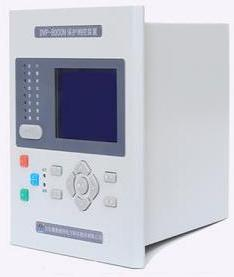
Microcomputer Protection and Substation Automation
Beijing Agent Devote Power Technology Development Co., Ltd.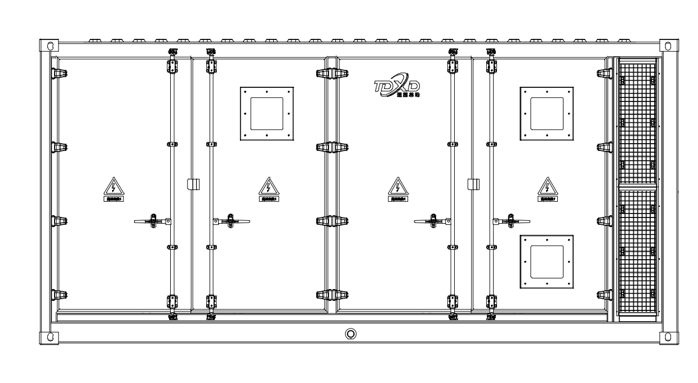
5012kWh DC Energy Storage System TD-EES-5012kWh
Suzhou Tongding Xindong Energy Storage Technology Co., Ltd.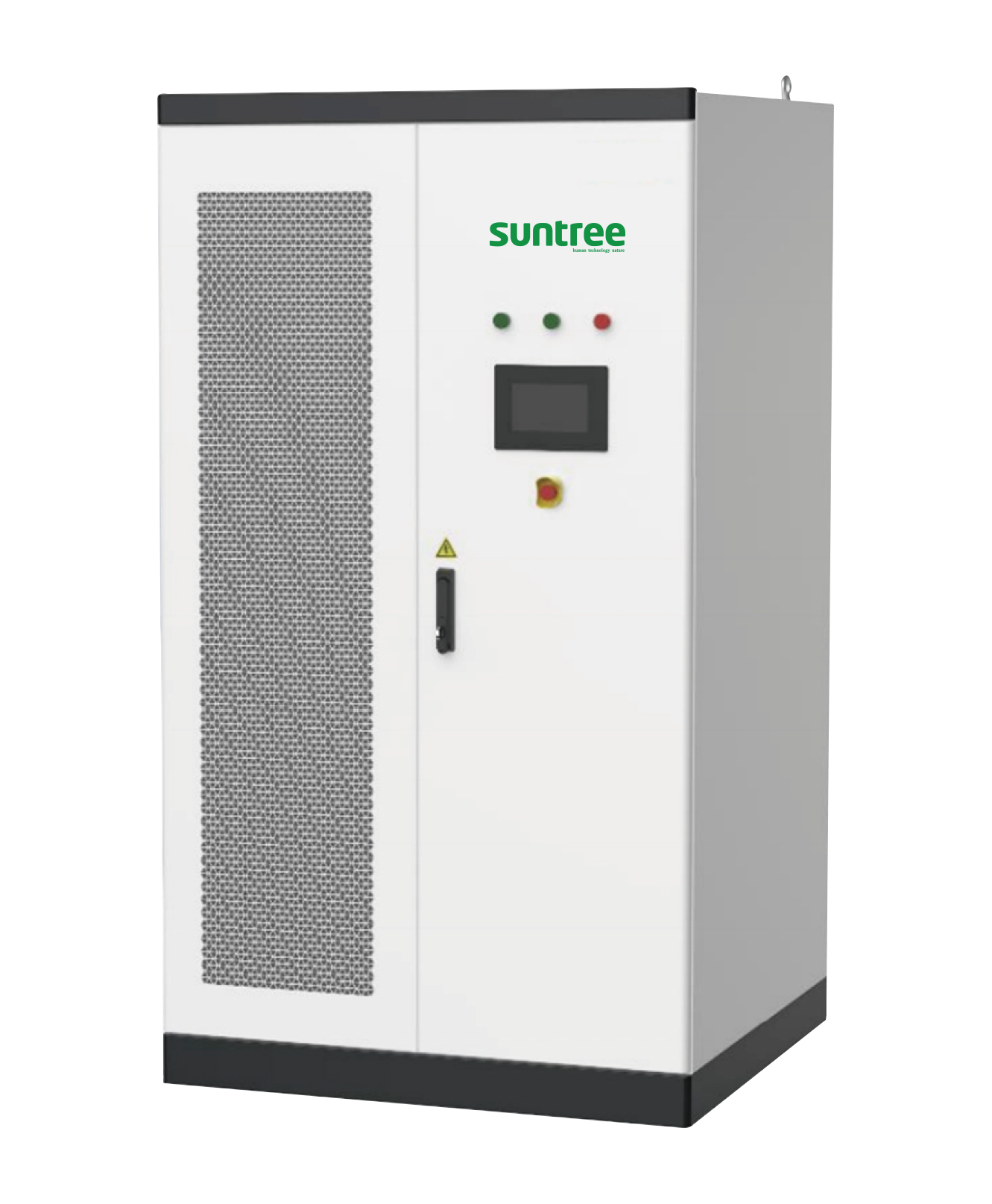
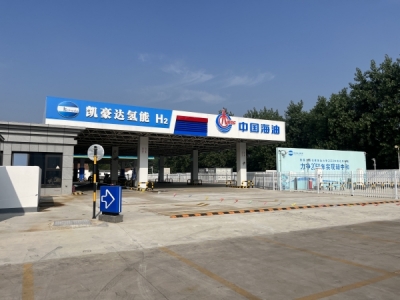
Hydrogen production and hydrogenation charging refueling gas integrated energy station
Shenzhen Kohodo Hydrogen Energy Co., Ltd.