Canada Proposes Extending Clean Electricity Investment Tax Credit to End of 2040
en.Wedoany.com Reported - On November 5, the Canadian federal government proposed in its 2026 budget to extend the eligibility period for the Clean Electricity Investment Tax Credit and the Clean Technology Investment Tax Credit to the end of 2040, and to expand the Clean Electricity Tax Credit's coverage to include intra-provincial high-voltage transmission facilities. The Canadian Hydropower Association issued a statement the same day supporting the proposal. The government estimates that the two tax credit extensions and related expansion measures will generate approximately CAD 38.5 billion in fiscal costs, covering investments in hydropower, renewable energy, energy storage, and transmission infrastructure.
According to the budget's tax measure descriptions, the Clean Electricity Investment Tax Credit covers up to 15% of eligible capital expenditures, while the Clean Technology Investment Tax Credit covers up to 30%. Both policies were originally intended primarily for qualifying assets placed in service before 2035. The 2026 budget proposes extending the eligibility period to assets placed in service before 2041, with the final-year 15% rate for the Clean Technology Tax Credit deferred from 2034 to 2040.
The budget also proposes expanding the Clean Electricity Investment Tax Credit to intra-provincial transmission lines at the highest voltage level in each province, as well as transmission facilities of 69 kV and above in each region. Specific thresholds include 735 kV in Quebec and Newfoundland and Labrador, 500 kV in Ontario, British Columbia, and two other provinces, and 230 kV in Saskatchewan. Eligible associated transformers, cables, transmission towers, and substation facilities would also be included in the proposed policy scope.
Lorena Patterson, President and CEO of the Canadian Hydropower Association, noted in a November 5 statement that large hydropower projects require multi-year planning, permitting, and construction cycles, and that extending the tax credit eligibility period would better align with project development timelines. The association also supports the government's consultations on a domestic equipment procurement incentive mechanism, rather than setting mandatory domestic procurement ratios as a condition for claiming the tax credit.
Canada's 2026 budget also proposes CAD 37 million for cost-benefit studies of interregional transmission interconnection projects and analysis of cost-sharing mechanisms for the 2027–2028 fiscal year. The budget documents list financing support for the Churchill Falls and Gull Island hydropower projects, as well as the Mayo hydro station upgrade and Atlin hydro expansion in Yukon, with the Atlin expansion expected to add 8 MW of installed capacity.
Related Products
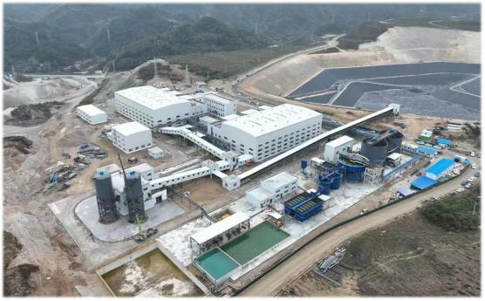

Yingping Mining Section Open-pit Tailings Backfill Treatment of Goaf Ecological Restoration EPC Project
China Bluestar Lehigh Engineering Corporation
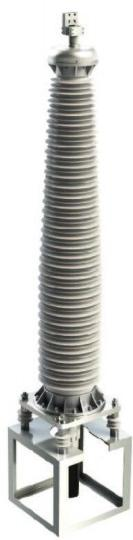
220kV Composite Outdoor Cable Terminal
Shenyang Guolian Cable Accessories Manufacture Co., Ltd.


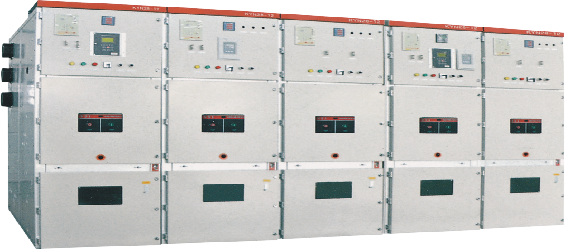
KYN28-12/24 Indoor High-Voltage Metal-Clad Removable Switchgear
Shenzhen Zhaoyang Hui Technology Co., Ltd.