TU Dresden, Germany Proposes 50-Megawatt Molten Salt Reactor Construction Plan
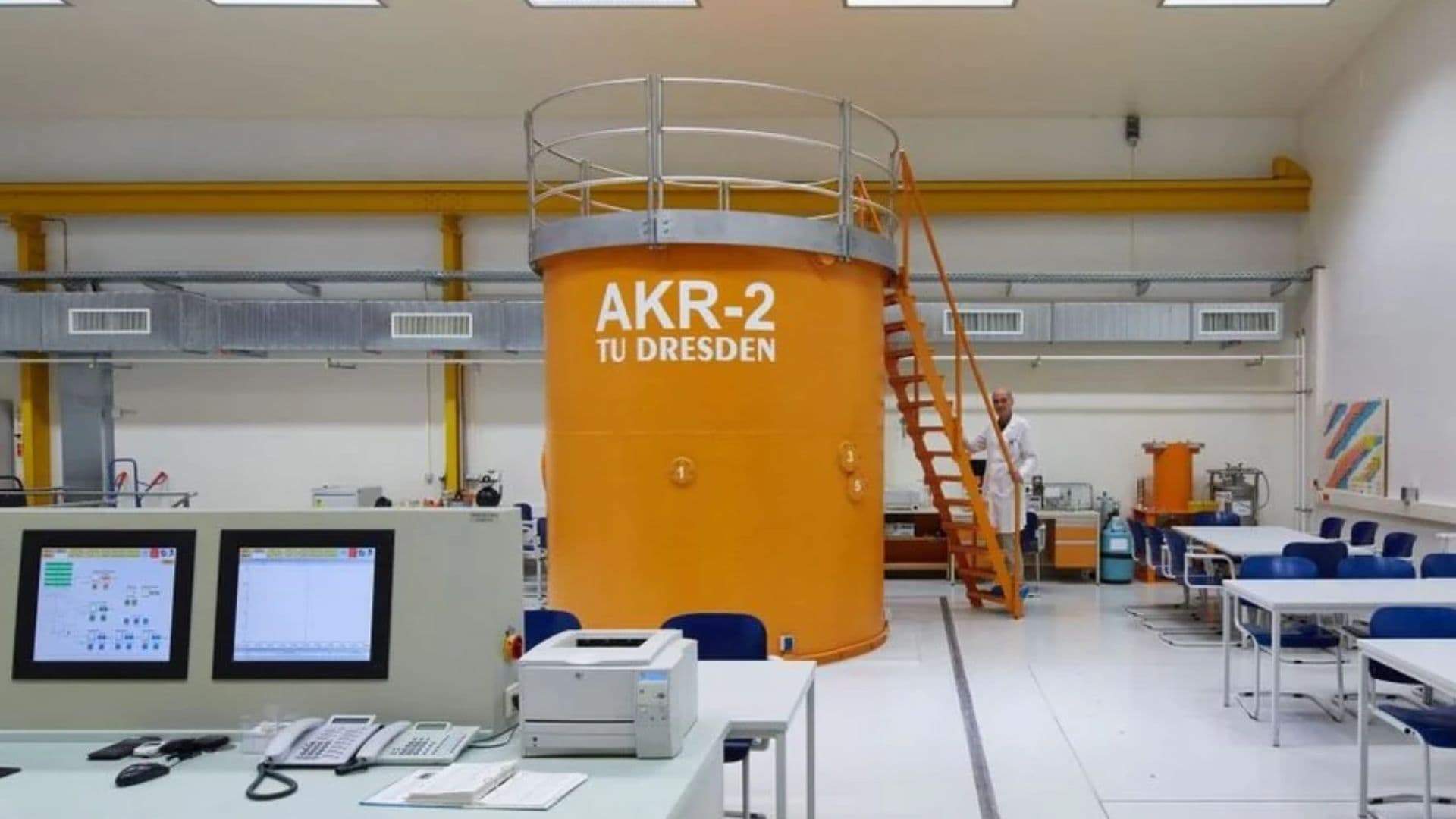
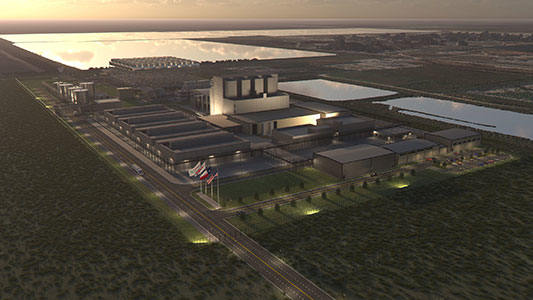
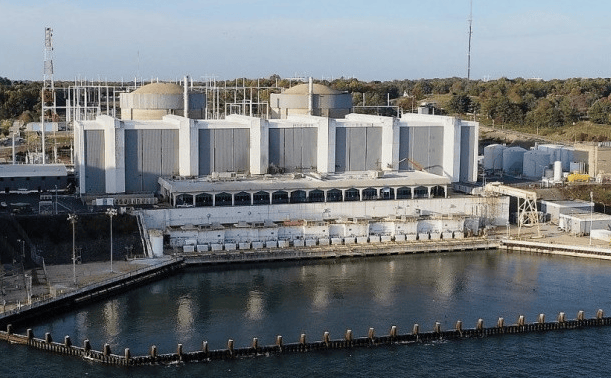
en.Wedoany.com Reported - On November 5, TU Dresden, Germany released the feasibility study results for DEMO, an experimental nuclear waste transmutation reactor, proposing the construction of a molten salt reactor with a maximum thermal power of 50 megawatts in the state of Saxony to validate the technical pathway for directly converting high-level radioactive nuclear waste into energy and short-lived radioactive substances. The project is expected to require €1.95 billion in public investment, with a development and construction period of at least 5 years and a designed operational lifespan of 20 years. Three potential site directions have currently been identified.
The DEMO project plans to adopt a nuclide transmutation scheme without conventional chemical reprocessing, directly using spent nuclear fuel and vitrified high-level radioactive waste generated by existing light water reactors in a molten salt reactor system. The research aims to use nuclear reactions within the reactor to transmute long-lived radioactive nuclides while recovering usable energy, and to study production technologies for radioisotopes for medical and industrial applications.
The project feasibility study was funded by the Saxony state government and led by TU Dresden. The research team proposed three potential construction sites: the existing nuclear research site at Rossendorf, the Schwarze Pumpe industrial transformation site in the Lusatia region, and the Boxberg industrial transformation site. DEMO is positioned as a non-commercial research reactor, and its design does not involve commercial electricity sales or conventional nuclear fuel chemical reprocessing.
The research team designed DEMO's research positioning in accordance with Germany's current Atomic Energy Act and linked subsequent commercial applications to adjustments in the nuclear regulatory framework. The university proposed that if experimental validation succeeds and corresponding legal adjustments are completed, related commercial facilities could participate in electricity supply from 2045. The study also estimates that if the technical pathway meets expectations and changes existing high-level waste disposal requirements, Germany could achieve cost savings of approximately €50 billion in potential geological disposal.
Related Products

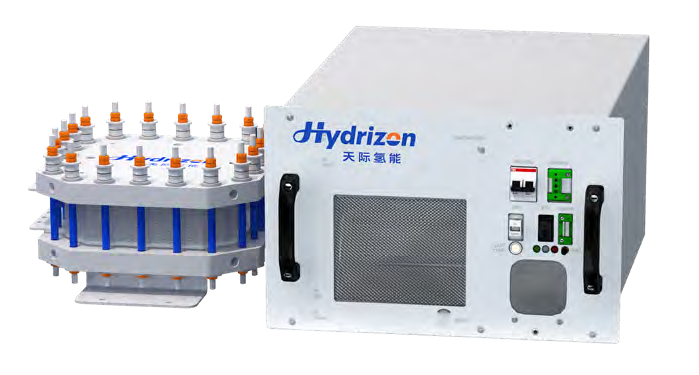
HI-Pro Green Hydrogen High-efficiency Production System-HI-PRO-AEM
Hydrizon Technology (Beijing) Co., Ltd.
Pneumatic high-pressure wear-resistant ball valve
Zhejiang Deca Control Valve Meter Co., Ltd.
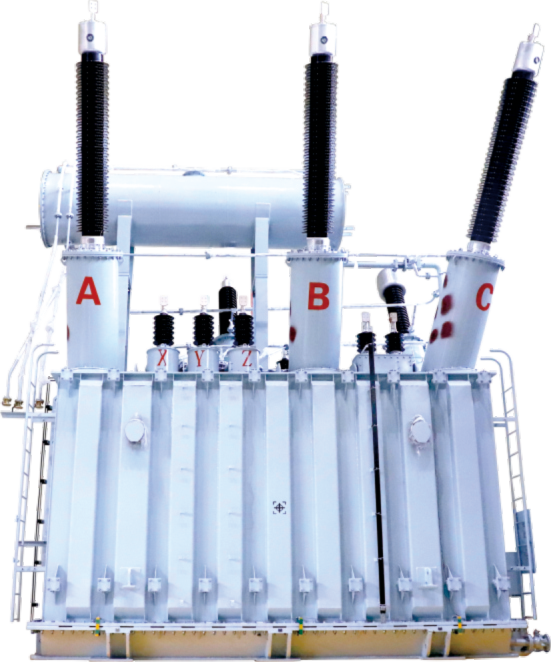
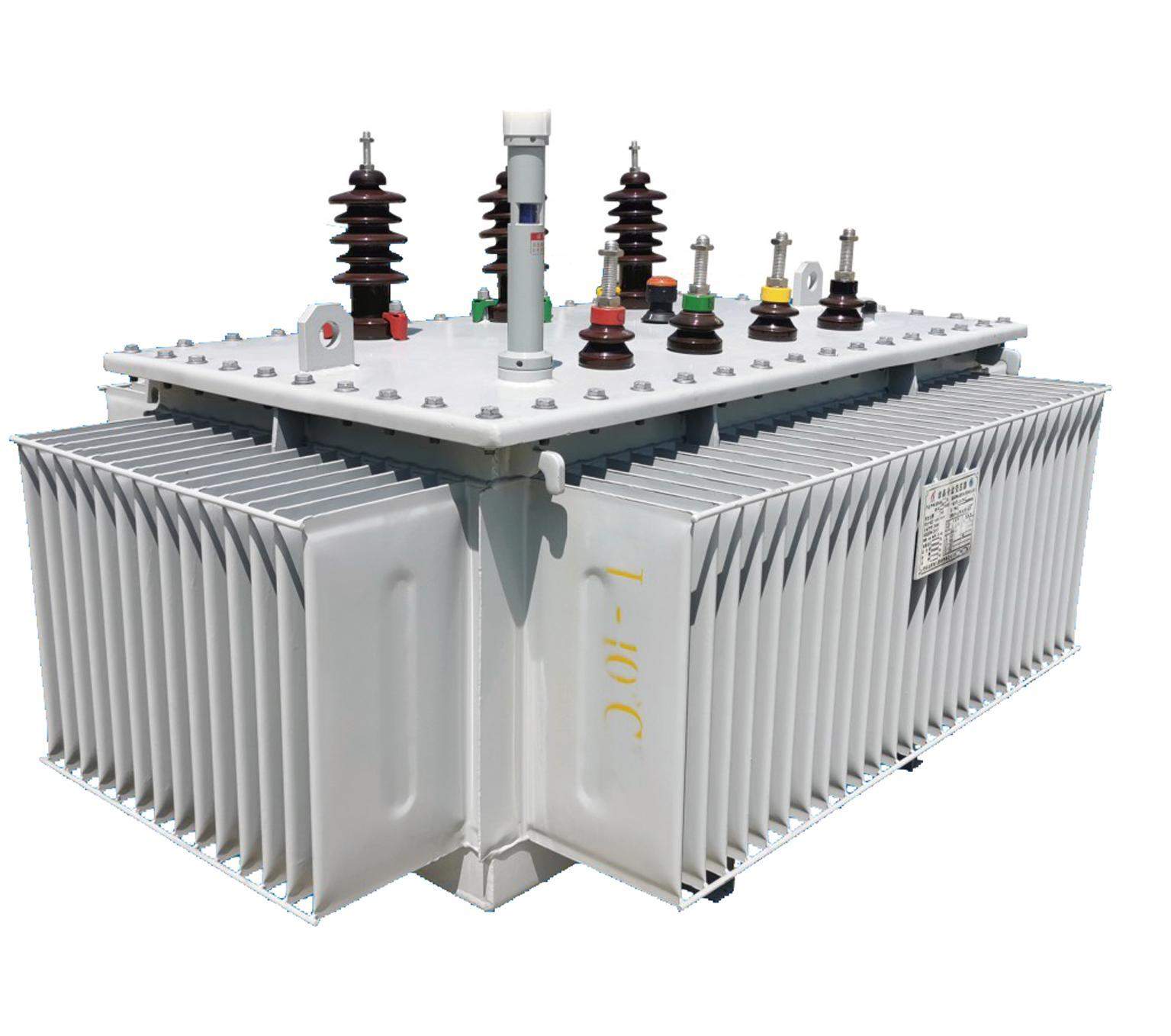
S(B)H15 Type (Energy Efficiency Level 3) Oil-Immersed Amorphous Alloy Core Distribution Transformer
Henan Longxiang Electric Co., Ltd.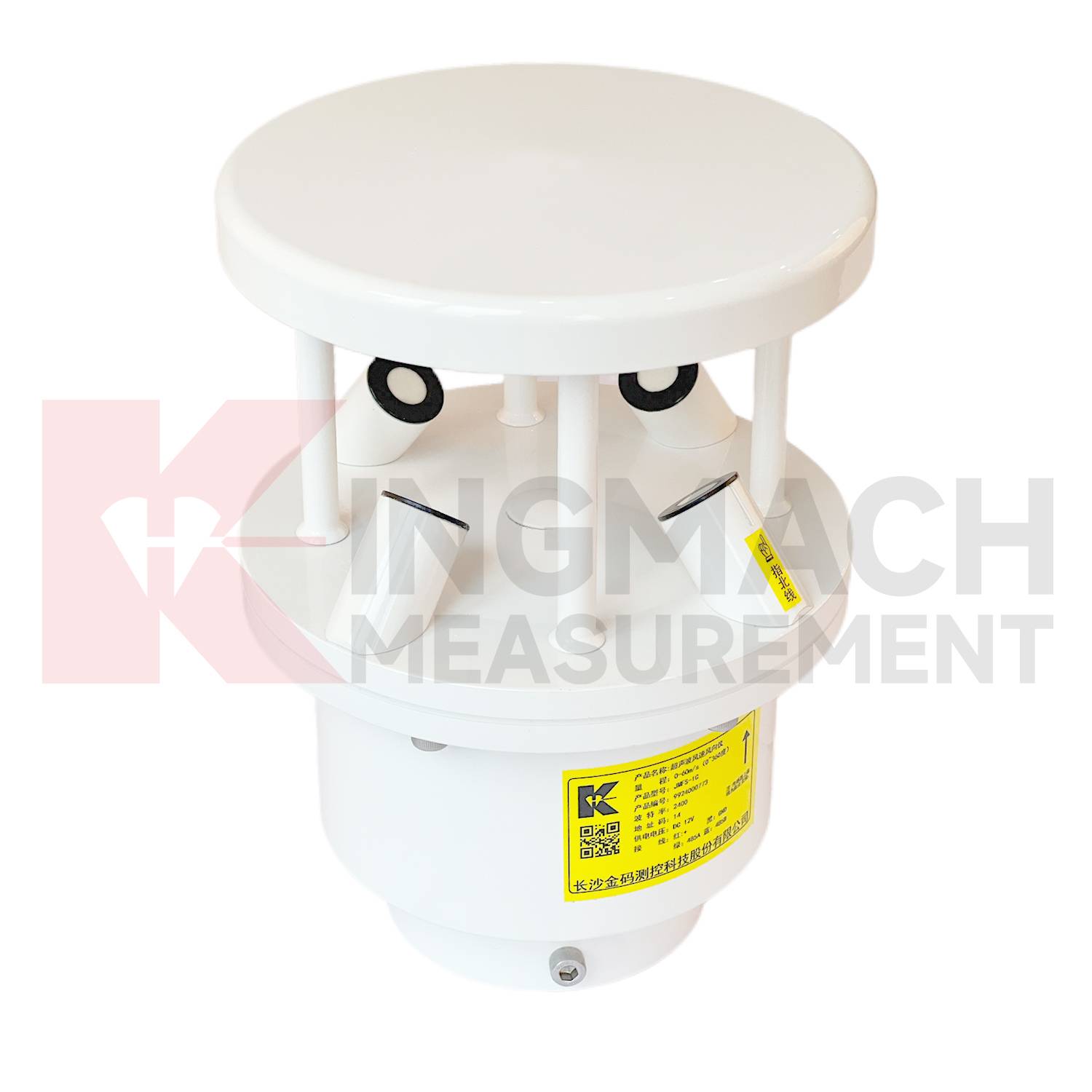
Ultrasonic Wind Speed and Direction Instrument
Kingmach Measurement & Monitoring Technology Co., Ltd.
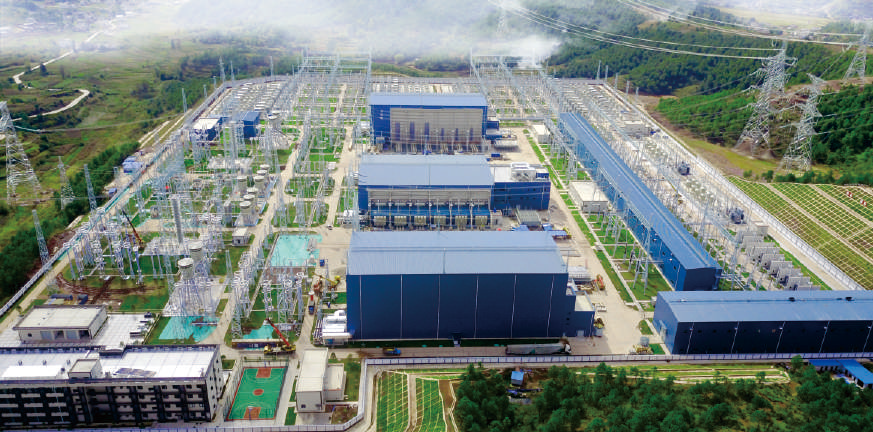
High-voltage Direct Current (HVDC) Transmission System Research and Integrated Design
XI'AN XD POWER SYSTEMS CO., LTD.
Mineral-insulated Compact Busway (Fire-resistant Busduct)
Zhuhai Guangle Electric Busway Co., Ltd.