German Federal Cabinet Adopts Draft Law on National Strategic Gas Reserve
en.Wedoany.com Reported - On November 11, the German Federal Cabinet adopted the draft law on the national strategic gas reserve, which plans to establish a national-level physical reserve to respond to major natural gas supply disruptions. According to the current risk assessment by the German Federal Ministry for Economic Affairs and Energy, the reserve volume is approximately 24 terawatt-hours (TWh), which can maintain nationwide gas supply for about 30 days in the event of a supply disruption at major gas import infrastructure. Construction of the reserve is planned to begin in 2027, and the German government plans to have emergency supply preparations in place before the winter of 2027–2028.
Under the draft law, the reserve is to be built by Trading Hub Europe (THE), the German gas market area manager, with procurement covering underground storage capacity and actual gas inventories, using market-based, transparent and non-discriminatory procedures.
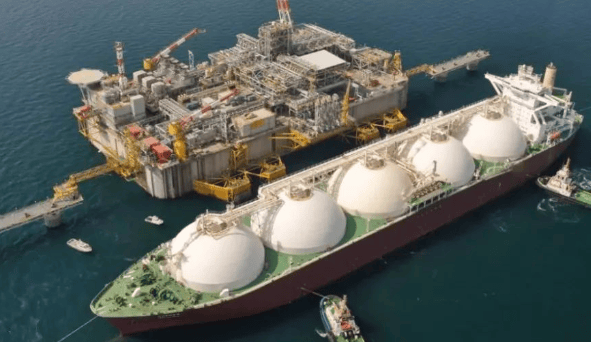
At the current estimated volume of 24 TWh, the reserve is equivalent to approximately 10% of Germany's existing gas storage capacity. In addition to covering 30 days of disruption at major import infrastructure, it can also address scenarios such as a complete interruption of all Norwegian pipeline gas imports for about 20 days and a complete halt of imports at all German LNG receiving terminals for about 40 days. Under extreme cold winter conditions with all import supplies interrupted, the reserve can maintain full supply to residential and commercial users for about 10 days, and about 18 days in a normal winter.
Decisions on activating the reserve are the responsibility of the German Federal Network Agency. After a formal declaration of a gas supply emergency, the agency determines the volume to be called upon based on the duration of the emergency and the supply gap, and THE withdraws gas from storage facilities in accordance with instructions. After the reserve is used, the managing body must also re-procure and replenish the inventory. The existing minimum storage level requirement for gas storage facilities will expire on March 31, 2027, and the German government will not extend this system; gas companies must still bear their own responsibility for winter inventory management and contracted gas supply, and the national strategic reserve does not replace commercial storage and regular supply obligations.
Germany plans to cover procurement, storage, transport and management costs through a gas reserve surcharge, with costs passed through to end users via the gas market settlement system. The Ministry for Economic Affairs and Energy's draft law estimates that the annual cost for the first ten years of reserve operation will be approximately EUR 247 million to EUR 308 million, with a surcharge of approximately 0.03 to 0.04 euro cents per kilowatt-hour. Based on calculations for a multi-family household with annual gas consumption of 13,000 kWh and a single-family household with 20,000 kWh, the additional annual expenditure would be approximately EUR 3.77 and EUR 7.20 respectively. The first charging period is planned to begin on October 1, 2027, with the cost burden estimated at approximately 40% for residential and commercial users and 60% for industrial users.
Related Products


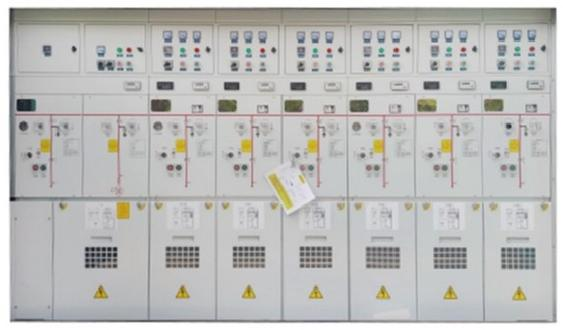
NISELA Series Environmentally Friendly Gas-Insulated Ring Main Unit
XJ DELISHIER ELECTRIC CO., LTD.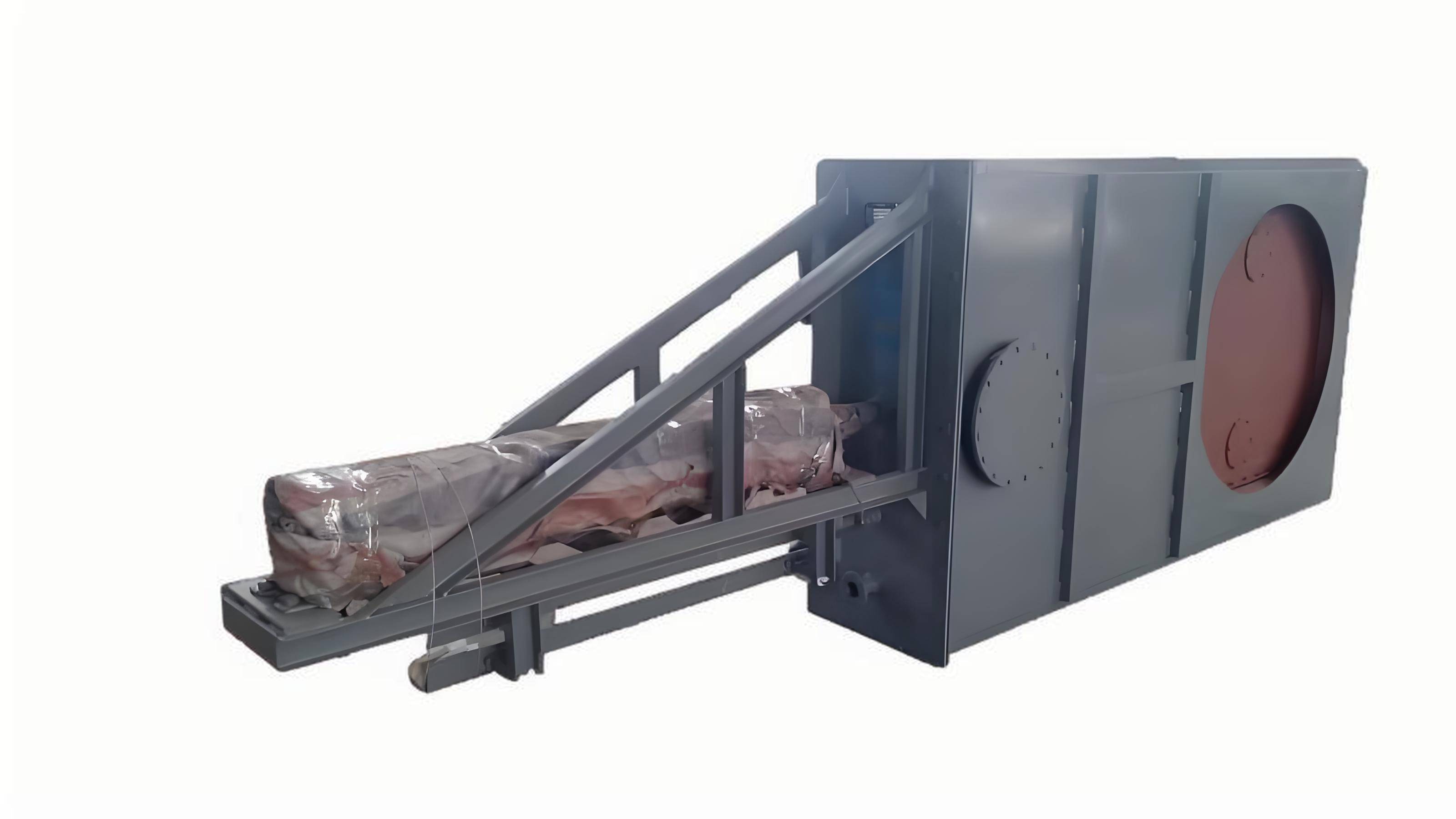
Double-slide Triple-sealed Hot Air Isolation Door
Xi'an Yingchuan Electric Power Equipment Co., Ltd.


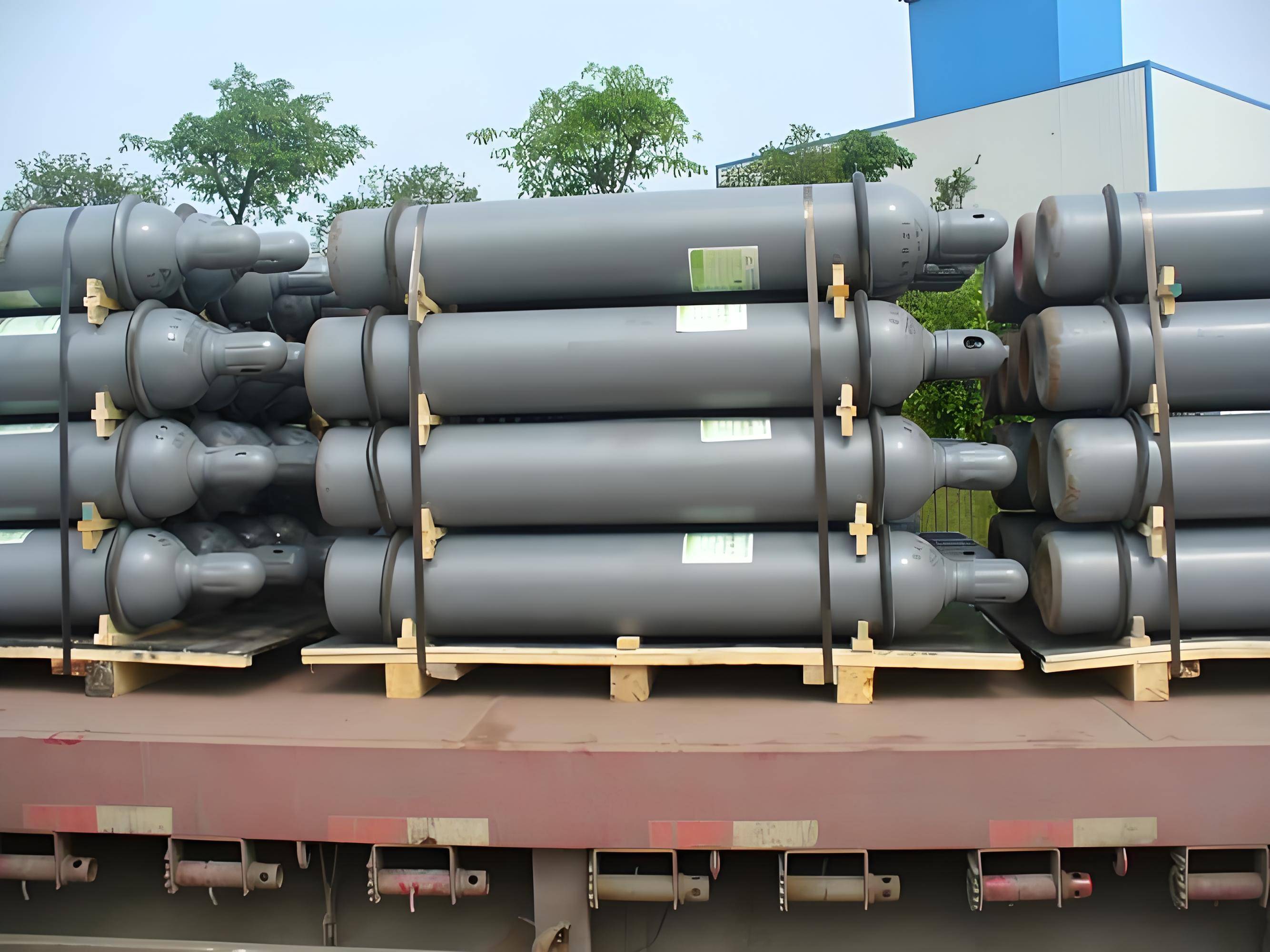
Global Sulfur Hexafluoride Gas Supply and Cylinder Export
Foshan Yuexin Industrial Gas Co., Ltd.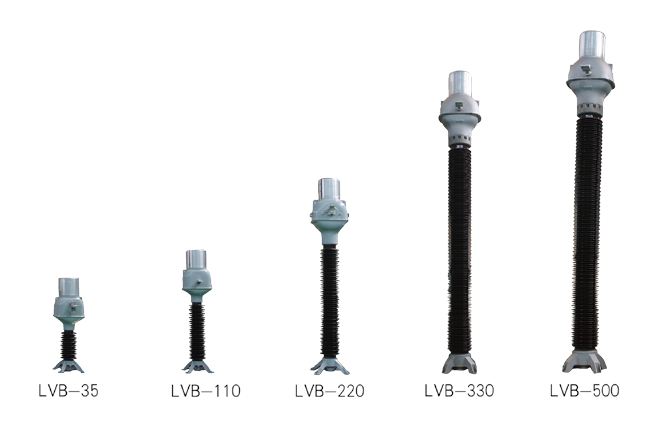
LVB Series 35-500kV Oil-immersed Inverted Current Transformer
Shandong Taikai Instrument Transformer Co., Ltd.
6kV-35kV Medium and High Voltage Direct-Connected Energy Storage System
Hainan Jinpan Smart Technology Co., Ltd.