China Unveils 75 APEC Annual Outcomes Covering Trade, Energy and Digital Technology
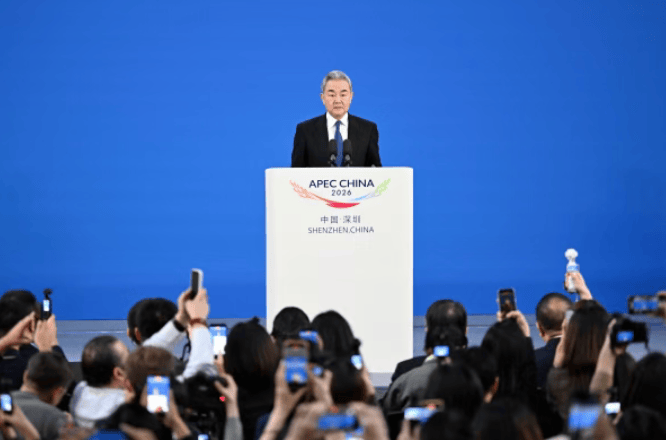
en.Wedoany.com Reported - On November 19, Chinese Foreign Minister Wang Yi presented in Shenzhen the cooperation outcomes of the 33rd APEC Economic Leaders' Meeting and the 2026 APEC "China Year." A total of 321 meetings and events were held throughout the year, producing 75 major outcomes, including 18 meeting outcome documents, 3 major initiatives by China to advance the building of an Asia-Pacific community, and 54 practical cooperation outcomes. The Leaders' Meeting adopted the APEC Leaders' Shenzhen Outlook on Building an Asia-Pacific Community, designating trade and economy, connectivity, innovation, and development as the four pillars of cooperation.
In the trade and economic field, the Leaders' Meeting adopted the APEC Cooperation Framework on Trade Digitalization (2027–2030) and incorporated the building of the Free Trade Area of the Asia-Pacific (FTAAP) into the regional economic integration cooperation agenda. Practical outcomes for the year included the Statement on the Free Trade Area of the Asia-Pacific, the APEC Initiative on Implementing Rules of Origin to Promote Trade, and the APEC Policy Recommendations on Digitalizing Customs Procedures for Government Decision-Making. The APEC Center of Excellence for Paperless Trade was simultaneously launched, with cooperation topics covering customs digitalization, electronic trade documents, implementation of rules of origin, digital trade policy dialogue, and application of artificial intelligence technologies.
In the connectivity field, the meeting adopted the new APEC Connectivity Blueprint, incorporating infrastructure development, cross-border supply chain connectivity, policy and regulatory cooperation, and facilitation of people-to-people exchanges into the scope of cooperation. The year saw the completion of the final review of the APEC Connectivity Blueprint (2015–2025) and the release of outcome documents on high-quality infrastructure investment. Arrangements to extend the stay period of the APEC Business Travel Card and the expansion of the Asia-Pacific Model E-Port Network were also included in the annual outcomes list.
In the digital economy field, the Leaders' Meeting produced the APEC Statement on Emerging Technologies for Jobs and Prosperity in the Asia-Pacific Region, with cooperation covering AI applications, digital infrastructure development, public services, and employment. The innovation segment for the year proposed a cooperation initiative for a cross-border data verification platform based on the distributed data transfer protocol model, released an initiative on digital intelligence standards empowering green and low-carbon transformation, and established an open innovation ecosystem best practices voluntary contribution platform.
The China-APEC Digital Technology Empowerment Center, the China Center for Promoting APEC Cross-Border Data Flow Cooperation, and the Asia-Pacific Digital Intelligence Empowerment Innovation and Development Cooperation Platform were included in the annual cooperation outcomes. In the SME field, the Asia-Pacific AI-Enabled SME Development Cooperation Center and the Asia-Pacific SME Cooperation Zone were established, and the Chair's Initiative on Innovative and Resilient Development of SMEs was formulated, with cooperation scope covering enterprise innovation, digital technology application, and SME development.
In the energy field, APEC formulated the Policy Recommendations on Two-Way Empowerment of Artificial Intelligence and Energy (2026–2030), established a "AI + Energy" special task force, and released the APEC Vision and Actions for High-Quality Energy Accessibility and Inclusiveness and the APEC Non-Binding Guidelines for Promoting Energy Security Synergy. Electricity cooperation outcomes included Recommended Solutions for Enhancing Power System Resilience and Recommended Solutions for Building New-Type Power Systems Adaptable to High Shares of Renewable Energy, addressing power system reliability and power system development under conditions of renewable energy integration, respectively.
In the low-carbon development field, annual outcomes also included the Joint Framework for Building APEC Zero-Carbon/Near-Zero-Carbon Cities, the APEC Initiative on Sustainable Cold Chains to Reduce Environmental Impact, and From Industrial Practice to Regional Synergy — Practices and Prospects of Asia-Pacific Energy Collaborative Governance. The Asia-Pacific Clean Energy Training Academy was established, and the policy statement on digital infrastructure financing and the document on AI empowering employment in the Asia-Pacific region were also included in the development segment outcomes.
During the meeting, China proposed three initiatives to advance the building of an Asia-Pacific community, including establishing an Asia-Pacific Community Research Center in Shenzhen, proposing the establishment of a World Bay Area Economic Cooperation Alliance, and providing USD 20 million in funding for APEC practical cooperation. The year's ministerial meetings also produced cooperation documents in the fields of trade, energy, transportation, finance, digital and artificial intelligence, and SMEs.
Related Products
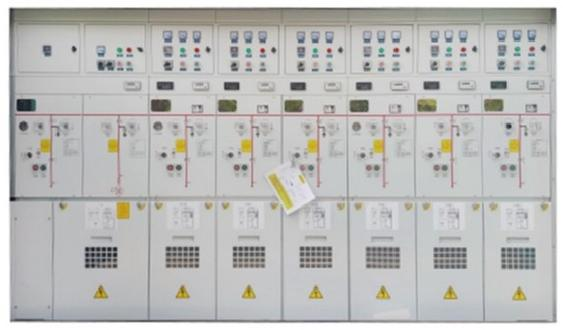

NISELA Series Environmentally Friendly Gas-Insulated Ring Main Unit
XJ DELISHIER ELECTRIC CO., LTD.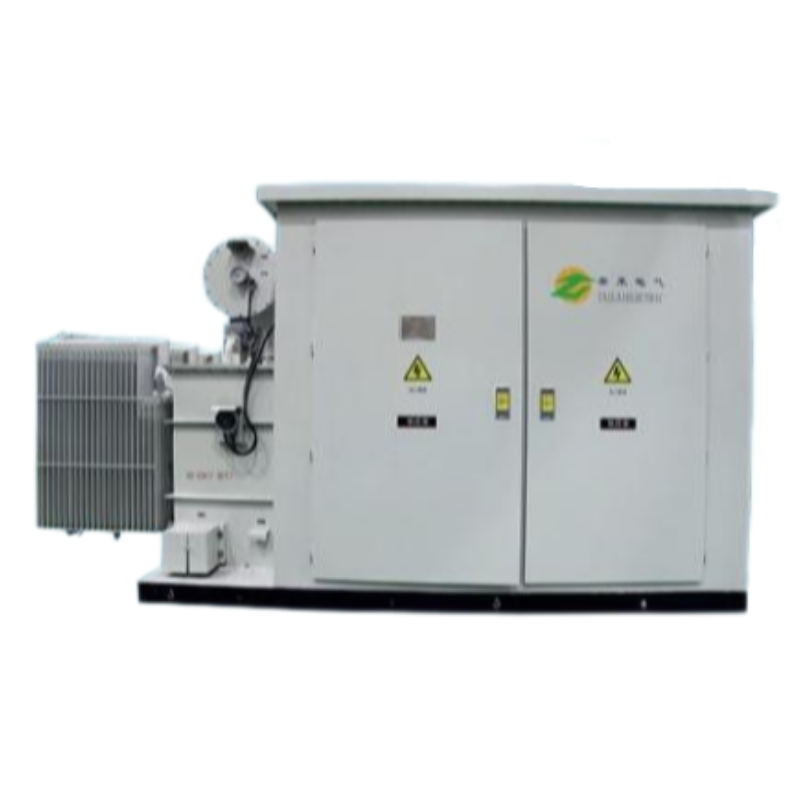
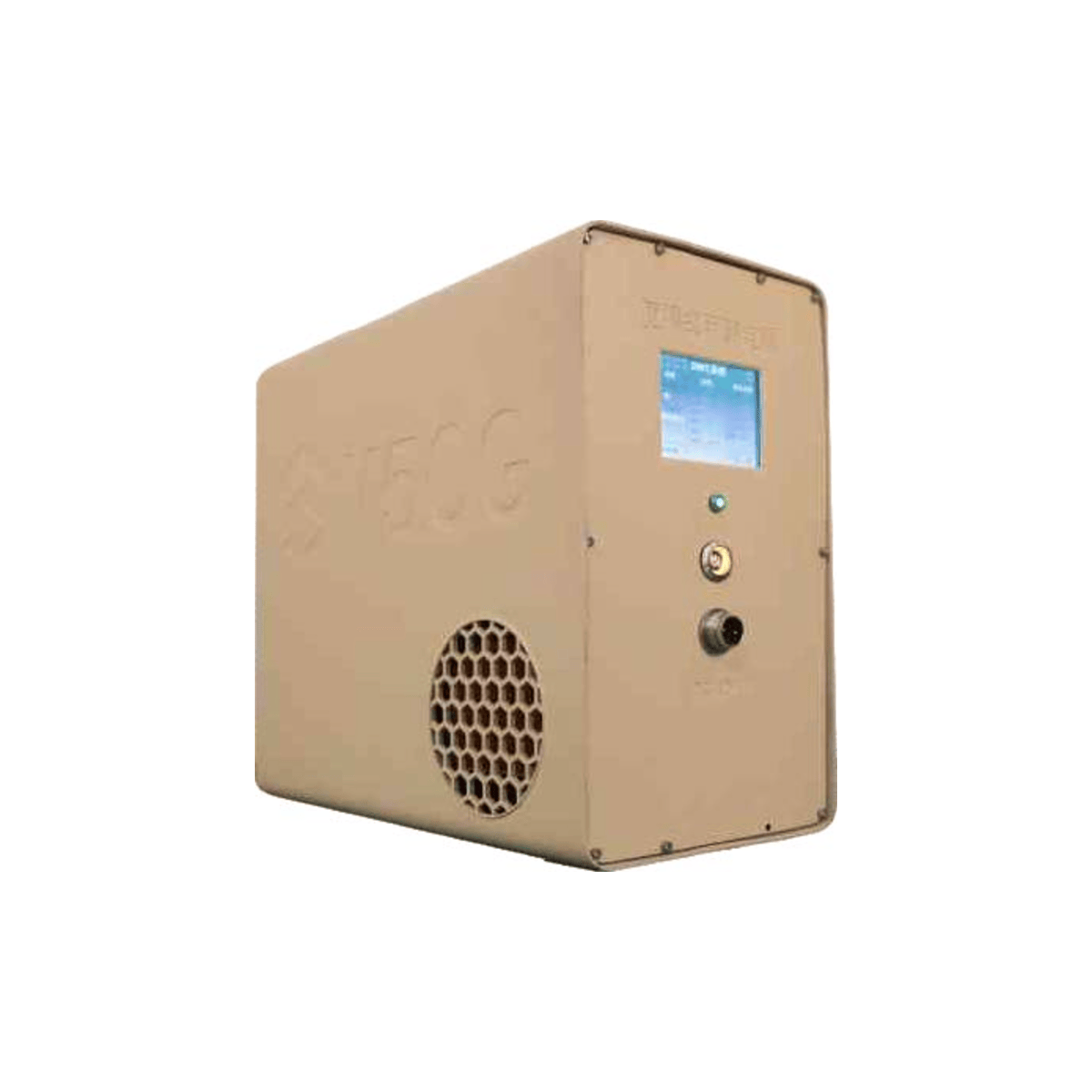
SFC-60 Individual Portable Power Supply, High Specific Energy Methanol Portable Power Supply
Automation Research Institute Co., Ltd. of China South Industries Group Corporation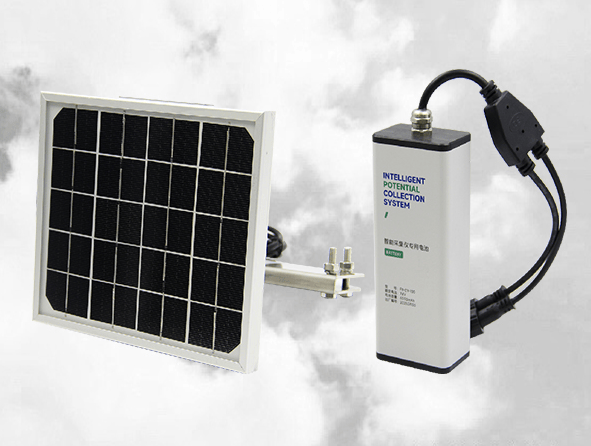
Inductive Power Harvesting Self-Powered Device - Safuneng
SELF ENERGY TECHNOLOGY (SHENZHEN) CO., LTD.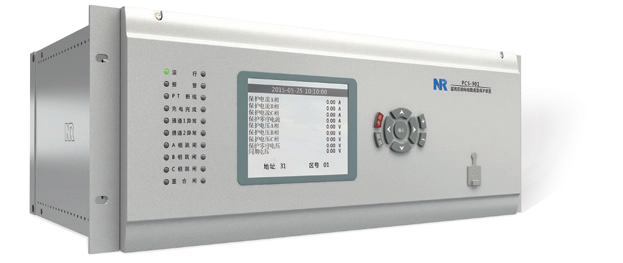
PCS-901 Series Ultra (Extra) High-voltage Transmission Line Complete Protection Device
Nanjing NR Electric Co., Ltd.
IS(B)□-M·RL Series Oil-immersed 3D Transformer (Planar / 3D Wound Core)
Guangdong Kehua Electric Power Technology Co., Ltd.
Quick-Change Single-Seat Control Valve / Quick-Change High-Pressure Single-Seat Control Valve
Beijing Consen Automation Technology Co., Ltd.

YB □ -12/0.4/1250 Outdoor Prefabricated Substation (European Style)
Shangrao Shangyu Intelligent Electric Co., Ltd.