China's LandSpace Completes Reuse Test Firing of 9 Recovered Zhuque-3 Engines
en.Wedoany.com Reported - On November 20, China's LandSpace announced that all 9 first-stage liquid oxygen methane engines previously recovered with the Zhuque-3 Y2 carrier rocket have completed inspection, maintenance, reassembly, and acceptance test firing, and are ready for reuse. These engines will be delivered for use on subsequent Zhuque-3 carrier rockets, marking the first time a Chinese commercial rocket has achieved full-set inspection, maintenance, and reuse acceptance of recovered first-stage engines.
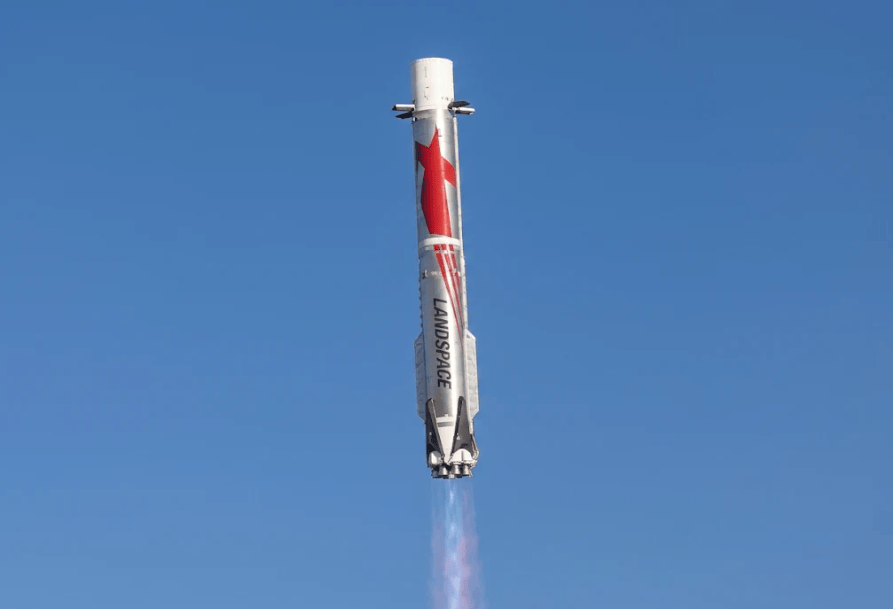
The 9 engines are TQ-12A liquid oxygen methane engines independently developed by LandSpace and are core components of the Zhuque-3 first-stage propulsion system. Zhuque-3 Y2 lifted off on August 19, 2026, from the Dongfeng Commercial Aerospace Innovation Test Zone. After completing first- and second-stage separation, the first-stage vehicle returned according to the predetermined program to the landing pad in Minqin County, Gansu Province, achieving a soft landing on land. The rocket's first stage is equipped with 9 TQ-12A engines, with a total liftoff thrust of approximately 7,542 kN.
Before recovered engines can be put back into service, they must undergo disassembly, inspection, maintenance, and reassembly. The development team focused on examining the actual condition of each system and component after the engine experienced high temperatures, vibration, and landing impact during flight, and determined the scope of maintenance and parts replacement based on inspection results. This test firing was used both to verify the operating condition of the engines after reassembly and to obtain performance data from engines after real flight, providing a basis for establishing subsequent reuse inspection and maintenance standards.
Test firing footage disclosed on November 20 showed that one of the recovered engines underwent an ignition test of approximately 185 seconds, during which it was assessed under operating conditions including different thrust levels and propellant mixture ratios. Throughout the test firing, the engine operated continuously and stably, with high-temperature gas produced by the combustion of liquid oxygen and methane exhausted through the nozzle. Hu Pengrui, deputy director of LandSpace's Propulsion Test Department, said that all 9 engines functioned normally, the test data showed good consistency, and comparison with pre-flight data confirmed that they meet delivery conditions.
The key to engine maintenance and reuse lies in determining the scope of inspection and maintenance standards. After a rocket engine has undergone real flight, internal components may be affected by thermal cycling, mechanical vibration, and impact loads, and external appearance cannot fully reflect internal performance. A relevant person in charge at LandSpace's Propulsion Manufacturing Base said that which components need inspection, which parts must be replaced, and what condition an engine must reach to continue in service require gradual refinement of judgment criteria based on multiple flight and maintenance data sets.
At present, these 9 engines have completed inspection, maintenance, and acceptance test firing and will be delivered for subsequent Zhuque-3 carrier rockets. LandSpace hopes to accumulate data through multiple subsequent rounds of maintenance and reuse to gradually shorten the inspection and preparation time after recovery, and in the future explore a process in which simplified inspection at the recovery site leads directly into preparations for the next flight.
Related Products





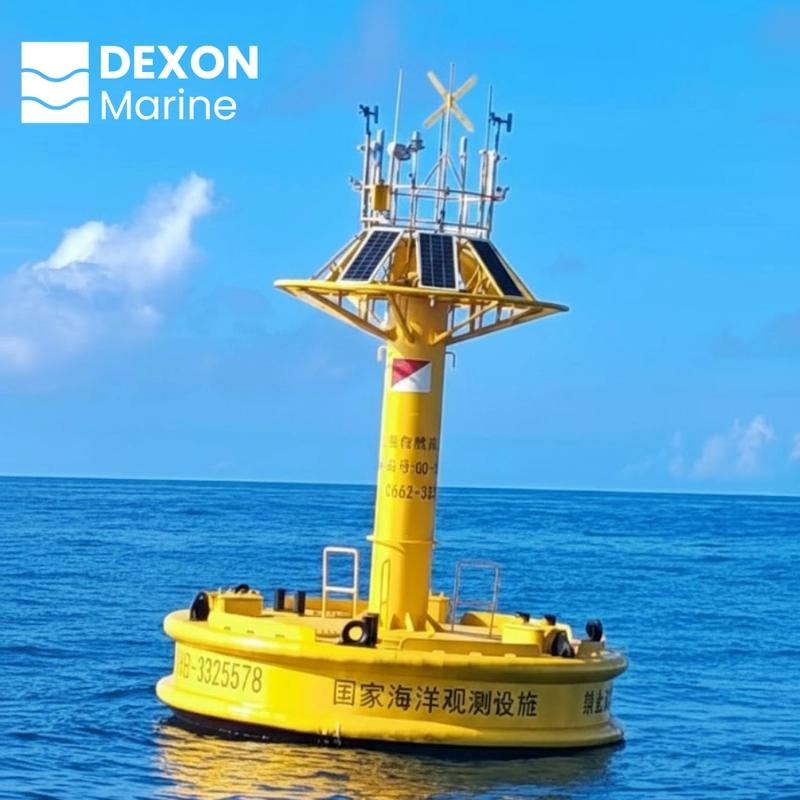
3m intelligent buoy combining navigation safety and real-time marine monitoring integrated navigation and marine monitoring system for real-time maritime data
Chengdu Dixin Technology Co., Ltd.
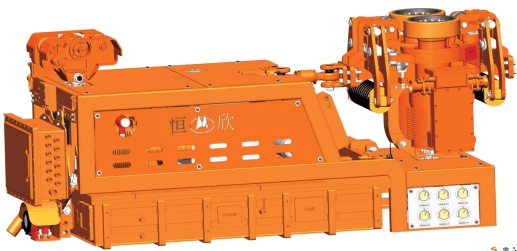
Explosion-proof lithium battery dispatching monorail crane locomotive (permanent magnet frequency conversion integrated machine)
Xiangtan Hengxin Industrial Co., Ltd.
NTE150 Electric Drive Mining Dump Truck
Inner Mongolia North Heavy Industries Group Co., Ltd.

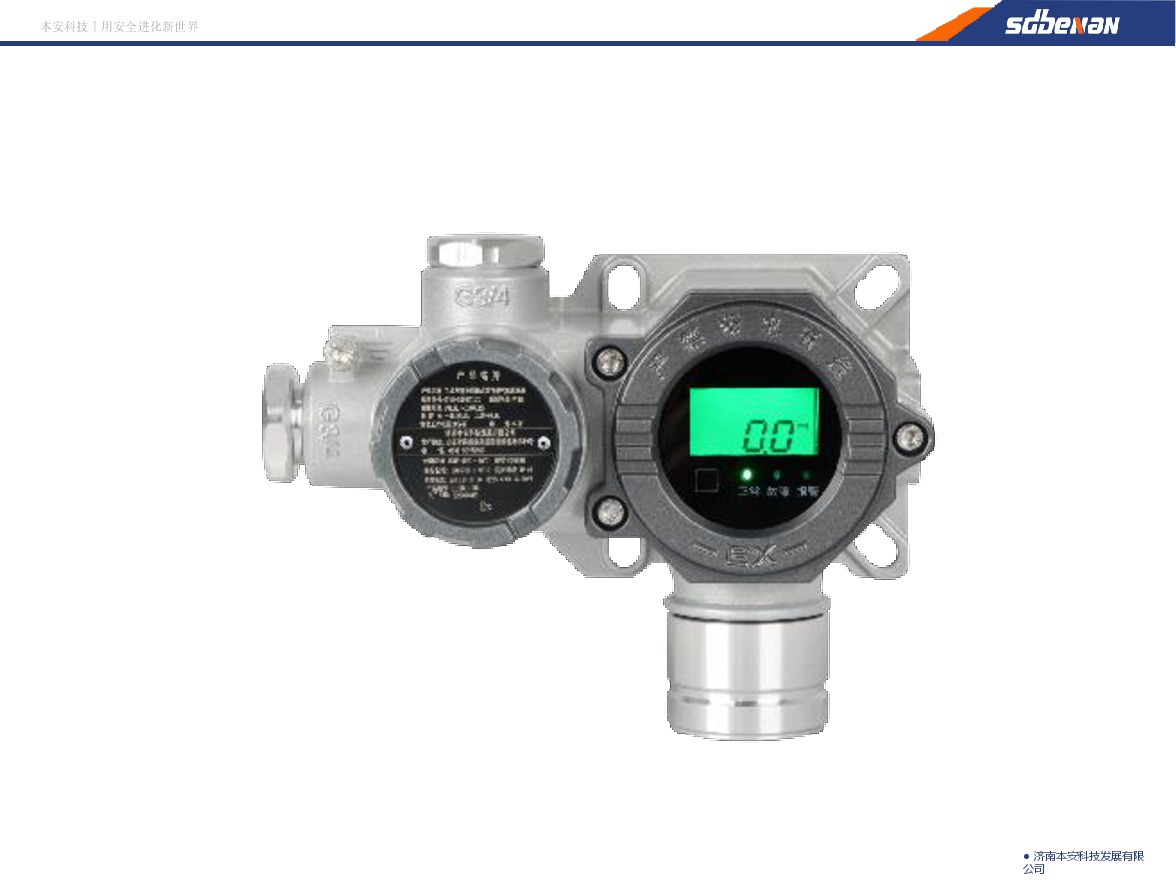
Industrial and Commercial Point-Type Gas Detector
Jinan Benan Technology Development Co., Ltd.