Construction Begins in Jordan on Seawater Desalination and Water Conveyance Project with Daily Capacity of 851,000 Cubic Meters
en.Wedoany.com Reported - On November 18, a groundbreaking ceremony was held for the Aqaba–Amman Seawater Desalination and Water Conveyance Project in Jordan, officially launching a construction plan expected to last about four years. With a total investment exceeding US$6.7 billion (approximately RMB 44.7 billion), the project is being developed by a consortium led by French infrastructure investor Meridiam and water utility company SUEZ. The scope of construction includes a large-scale seawater desalination plant, a long-distance water conveyance pipeline network connecting Aqaba with the capital Amman, and supporting photovoltaic power generation facilities. Once operational, the project is planned to supply approximately 300 million cubic meters of desalinated drinking water per year, covering about 40% of Jordan's national drinking water demand.
The seawater desalination plant will be built along the coast of the Gulf of Aqaba, using reverse osmosis technology to treat seawater. SUEZ disclosed in its construction commencement announcement that the desalination facility is designed with a daily water production capacity of 851,000 cubic meters, making it one of the largest seawater desalination facilities in the world. The treated drinking water will be conveyed northward through the long-distance water conveyance system to Amman and areas along the route. According to official Jordanian information, the conveyance system requires multi-stage pumping stations to boost water pressure, with a maximum conveyance lift of approximately 1,100 meters, in order to overcome the topographic conditions of conveying water from the Red Sea coast to the inland highlands of Jordan.
The water conveyance pipeline network is an important component of the entire project. The pipeline length disclosed in SUEZ's construction commencement announcement is 418 kilometers, connecting the Aqaba seawater desalination plant with the Amman water supply system. Jordan's official news agency previously disclosed a route length of approximately 417 kilometers, while European Bank for Reconstruction and Development project documents use 438 kilometers. The project will also include the construction of pumping stations, water storage facilities, and related water supply connection systems, linking with Jordan's existing reservoirs and urban water supply networks.
The project plans to build a 280-megawatt photovoltaic power station, expected to meet approximately 30% of the entire project's energy demand. The photovoltaic facilities will provide part of the electricity for the seawater desalination and long-distance water conveyance systems, reducing the dependence of high-lift pumping stations and reverse osmosis equipment on the external power grid. According to European Bank for Reconstruction and Development project documents, the supporting renewable energy installed capacity is 281 megawatts peak, while Jordan's official news agency uses a generalized figure of 300 megawatts.
The project adopts a public-private partnership model, with Jordan's Ministry of Water and Irrigation signing a 30-year concession agreement with the project company. The project company is 90% owned by Meridiam and 10% by SUEZ International. SUEZ will work together with Egypt's Orascom Construction to undertake the design, construction, and subsequent operation of the seawater desalination plant, and will be responsible for the operation and maintenance of the water conveyance pipeline network and photovoltaic power generation facilities. Project partners also include Jordan's Social Security Investment Fund and France's VINCI Construction Grands Projets, among other institutions.
The project brings together support from international development finance institutions, commercial banks, and government funding. The European Investment Bank announced that it is advancing a US$400 million project finance loan, alongside an existing €300 million sovereign loan, a €97 million European Union grant, and a €30 million Dutch grant. The Asian Infrastructure Investment Bank previously approved US$250 million in financing, and the European Bank for Reconstruction and Development approved a loan of up to US$475 million. The project has also received support from the U.S. International Development Finance Corporation and other international financing institutions. The European Investment Bank disclosed that a total of 24 co-financing banks and donor institutions are participating in the related financing arrangements.
Related Products

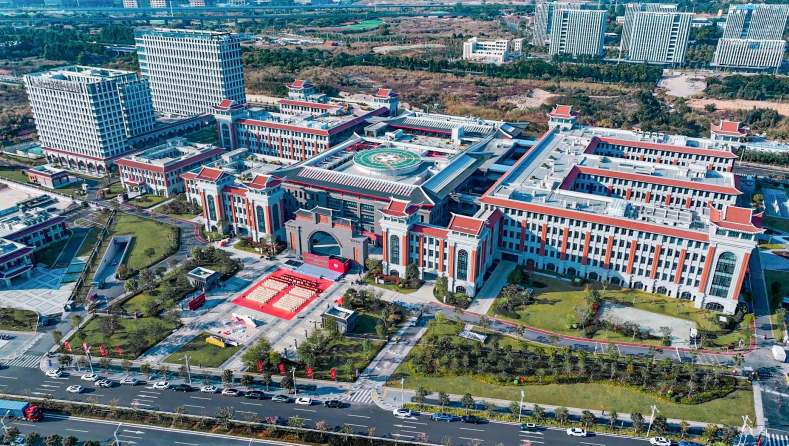
West China Xiamen Hospital of Sichuan University
Wuhan Huakang Century Clean Technology Co., Ltd.
145kV Porcelain Column Type Sulfur Hexafluoride Circuit Breaker
TBEA ZONFA Shanghai High Voltage Switchgear Co., Ltd.
Ceiling light | led Ceiling Light | LED Indoor light | LED Ceiling lighting
Queendom Group Technology Co., Ltd.
300mm Segment Type Countdown Traffic Light (Core Type)
Yangzhou FAMA Intelligent Equipment Co., Ltd.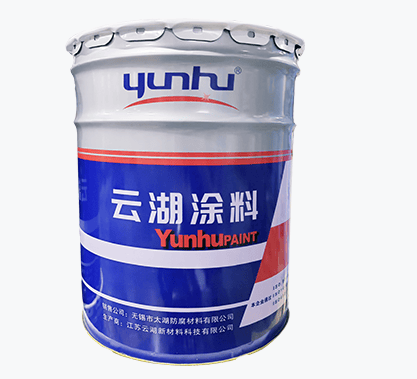
YHTank8400N Solvent-Free Liquid Epoxy Coating
JIANGSU YUNHU NEW MATERIAL TECHNOLOGY CO., LTD.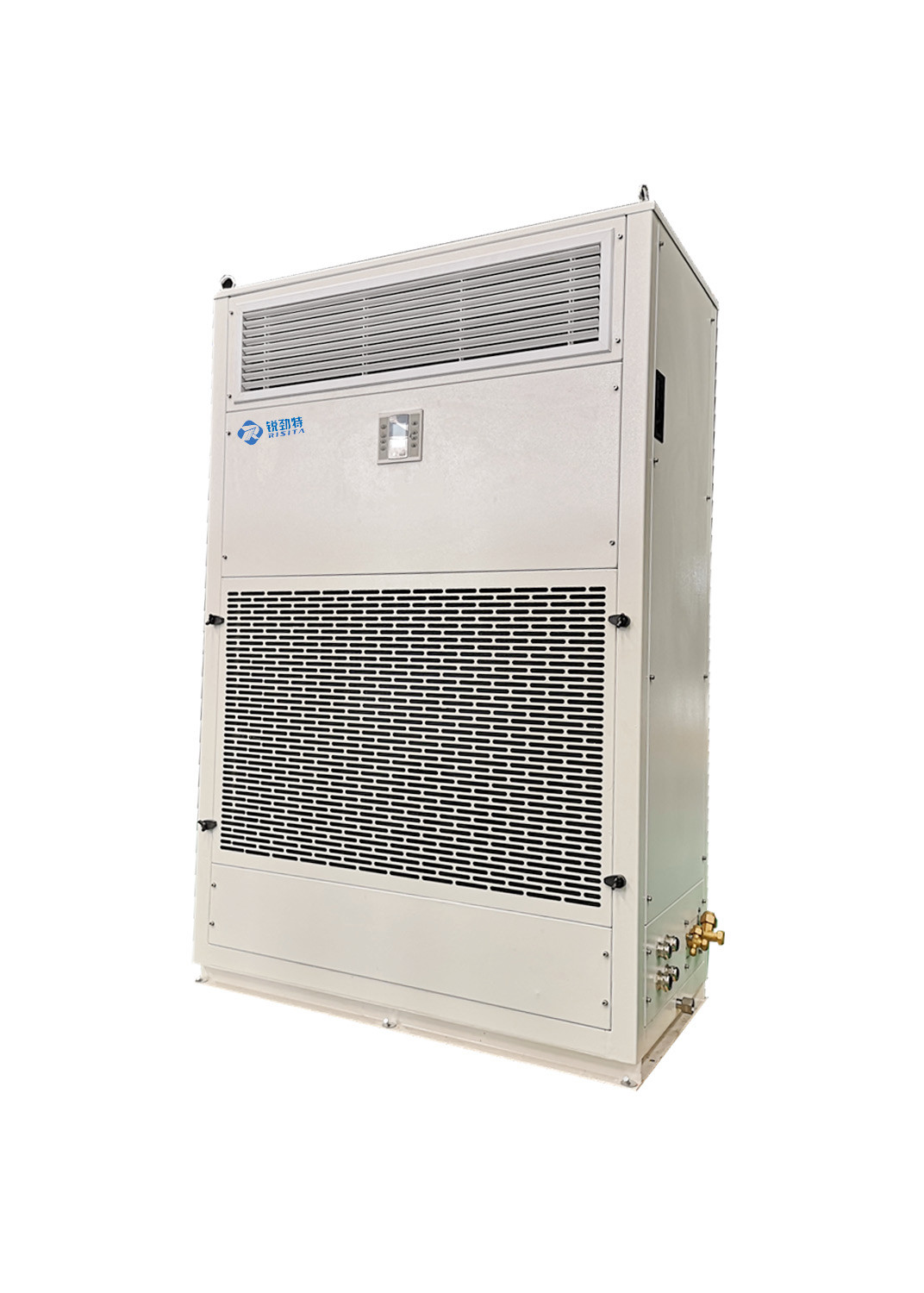
RISITA explosion-proof air conditioning
Guangdong RISITA Air Conditioning Equipment Co.,Ltd.
Acoustic Mineral Fiber Ceiling Tile 595x595x12mm
Shanxi Pano Trading Co., Ltd