China's iSpace Completes Ultimate Load Test of SQX-3 Rocket Under Nine-Engine Full-Thrust Condition
en.Wedoany.com Reported - On November 25, iSpace Aerospace Technology Group Co., Ltd. disclosed that it had recently completed the ultimate load static test of the tail section load-transfer structure of its independently developed Hyperbola-3 (SQX-3) reusable launch vehicle. The test focused on assessing the structural load-bearing capacity under the maximum thrust condition of nine engines, obtained data on the structural ultimate load-bearing capacity and failure modes, and verified the design margin and load-bearing reliability of the tail section load-transfer structure.
The tail section load-transfer structure is a key primary load-bearing component of the Hyperbola-3 first-stage vehicle body, with a diameter of 4.2 meters and a length of approximately 4.5 meters. It primarily bears the thrust transmission of the nine hundred-ton-class liquid oxygen methane engines of the first stage, as well as the loads generated by the deployment and landing of the landing device during the rocket's return process. The structure must maintain structural strength and stiffness under the combined action of concentrated engine thrust, vehicle flight loads, and return landing loads, and its load-bearing capacity is directly related to the power transmission and recovery safety of the first-stage vehicle body.
The test focused on the mechanical response of the tail section load-transfer structure under ultimate load conditions. The test article had previously passed static test assessments under five different design load conditions, and this test focused on verifying the ultimate load-bearing capacity when nine engines simultaneously reach maximum thrust. The test loaded the structure step by step to the ultimate load according to the predetermined plan, covering the nine-engine full-thrust conditions during ground power system test runs and flight, while incorporating impact factors and safety factors into the load assessment scope.
During the test, the technical team obtained response data of the structure at different load levels through step-by-step loading and analyzed the load-bearing capacity and failure modes under ultimate load. The test results achieved the expected objectives, providing measured data for subsequent structural design iteration, load-bearing capacity optimization, and weight reduction design.
The Hyperbola-3 is a medium-to-large reusable liquid oxygen methane launch vehicle independently developed by iSpace, featuring a first-stage nine-engine configuration, with the maiden flight mission planned to conduct a first-stage sea recovery test. With the completion of this ultimate load test of the tail section load-transfer structure, the ground verification of the load-bearing structures related to the first-stage power transmission and return landing of the rocket has been further advanced, providing structural data support for subsequent full-vehicle tests and the maiden flight mission.
Previously, iSpace had completed static tests of typical cabin sections of the Hyperbola-3 interstage section and tail section load-transfer structure, as well as ultimate load static tests of the first-stage methane tank and the second-stage common bulkhead tank. This test advanced the verification of the tail section load-transfer structure to the nine-engine full-thrust ultimate load condition, representing a further deepening of the structural verification work for this model.
Related Products


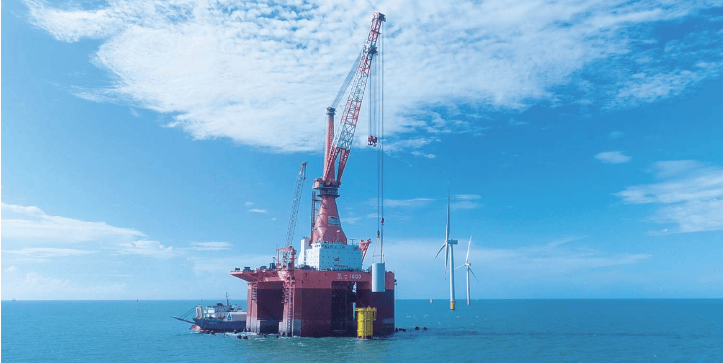
"Shunyi 1600" Deep-submerging Bottom-sitting Multi-functional Wind Power Engineering Vessel
Zhengli Offshore Engineering Co., Ltd.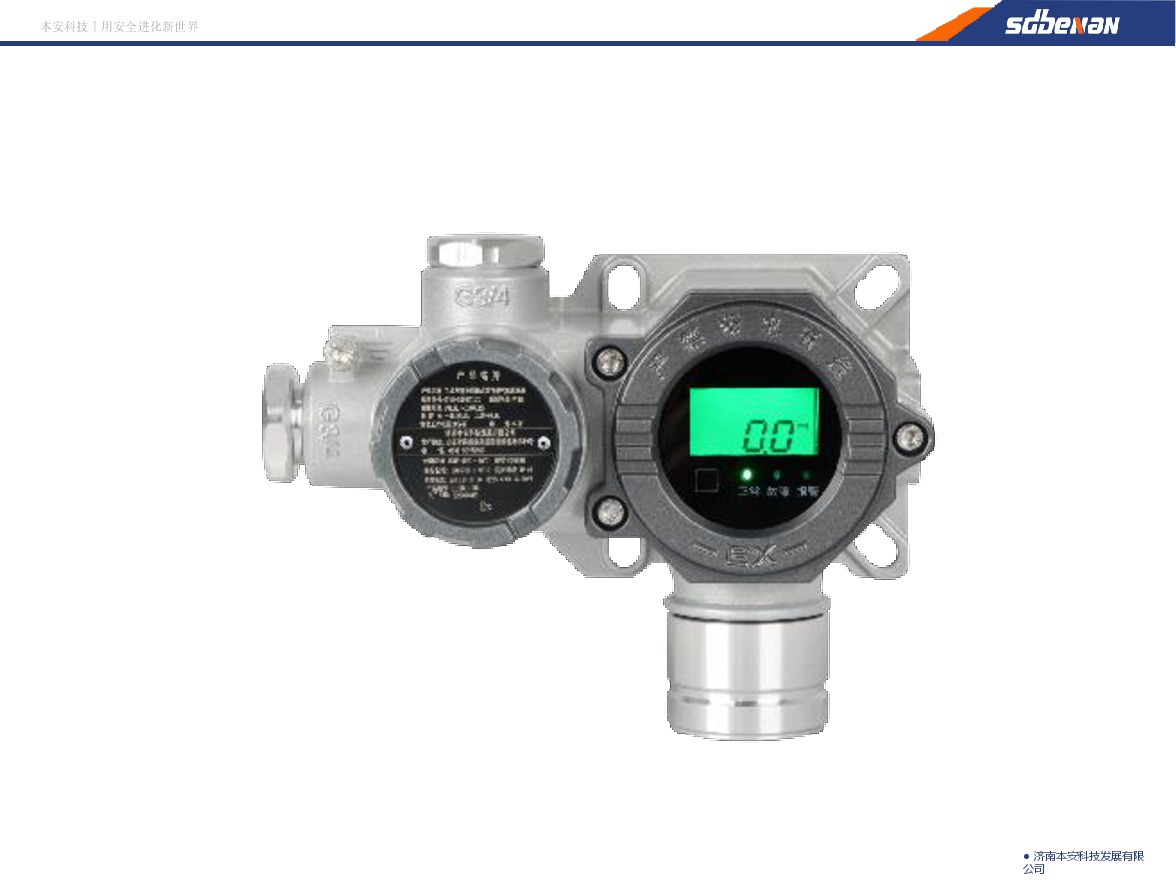
Industrial and Commercial Point-Type Gas Detector
Jinan Benan Technology Development Co., Ltd.
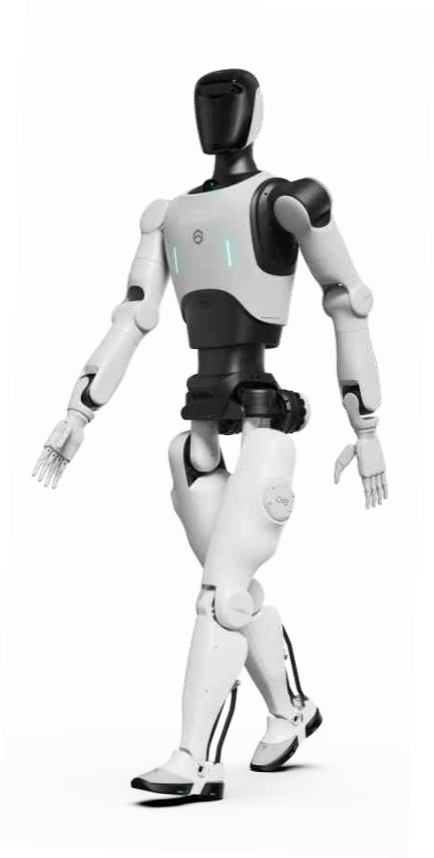
D12 Humanoid Robot
Automation Research Institute Co., Ltd. of China South Industries Group Corporation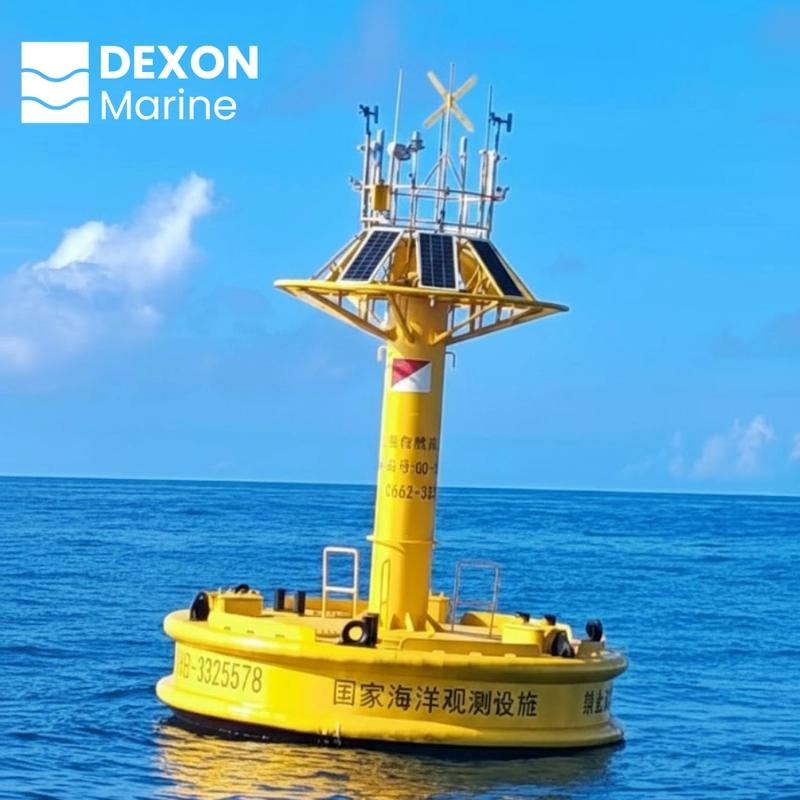
3m intelligent buoy combining navigation safety and real-time marine monitoring integrated navigation and marine monitoring system for real-time maritime data
Chengdu Dixin Technology Co., Ltd.
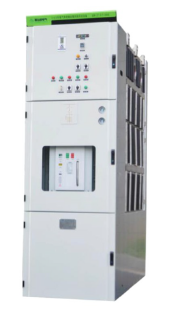
GSR6-27.5kV SF6 Free Gas-insulated Metal-enclosed Switchgear
Zhejiang Juhonkia Intelligent Electric Co., Ltd.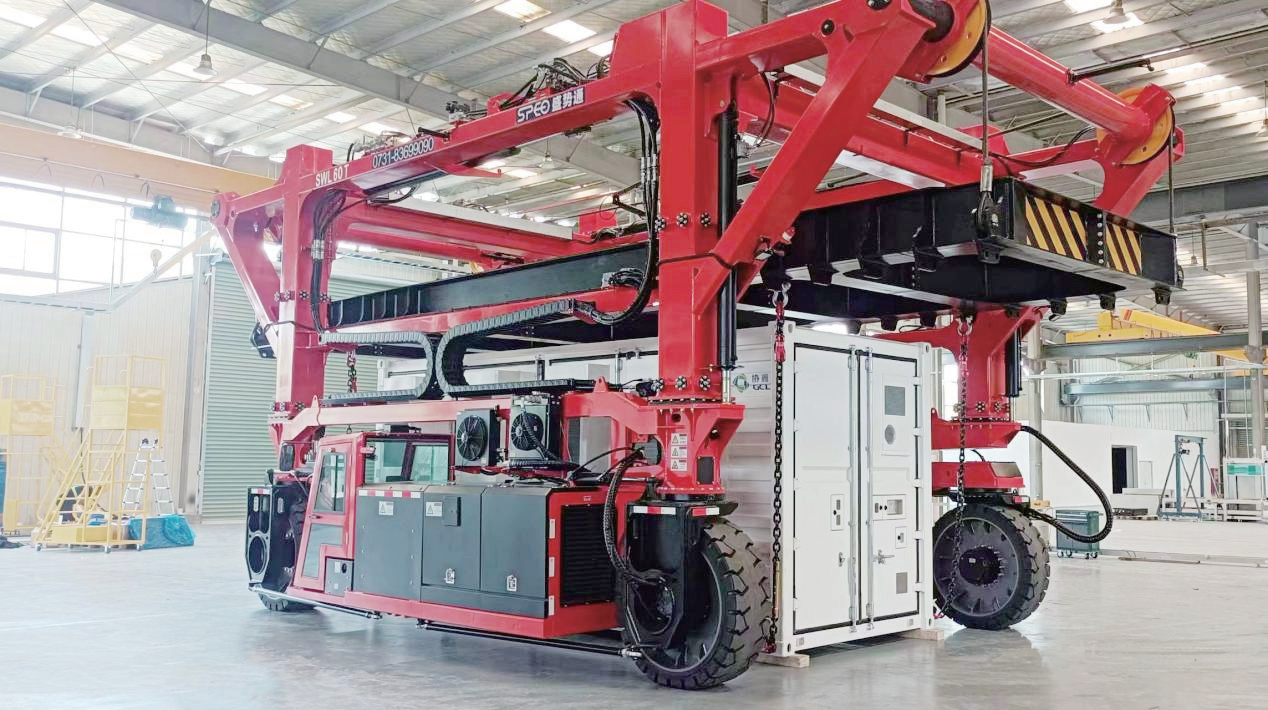
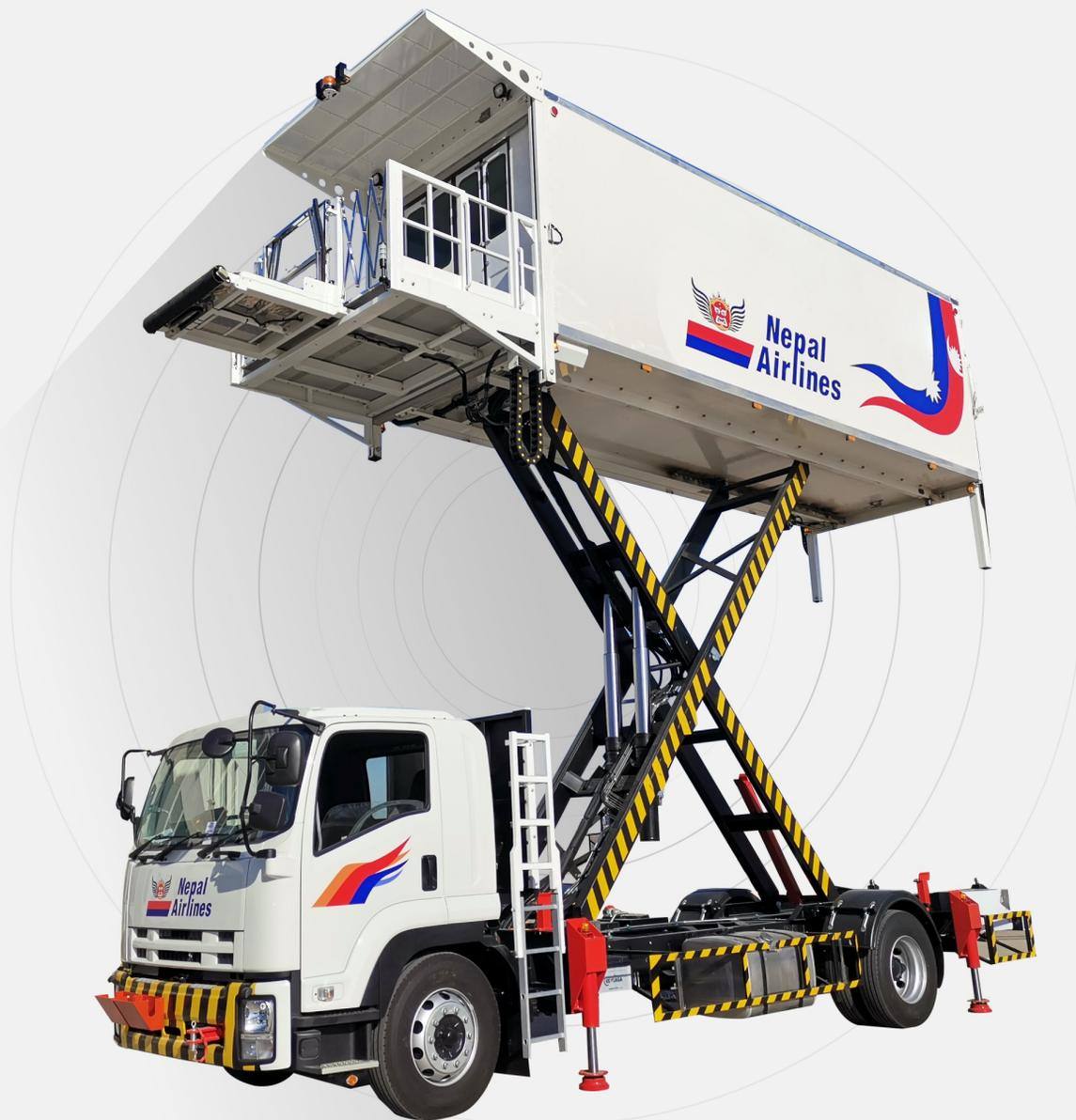
XC-6000e Type Aviation Catering Truck (Fuel Type)
Shenzhen CIMC-TianDa Airport Support Ltd.