Colombia's Ministry of Agriculture and Sugar Producers Reach Eight Measures to Address Operational Pressure on the Sugarcane Industry
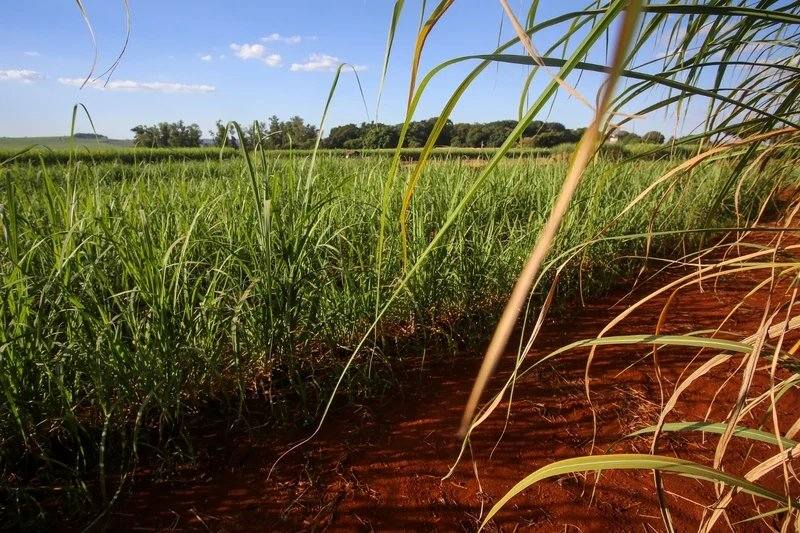
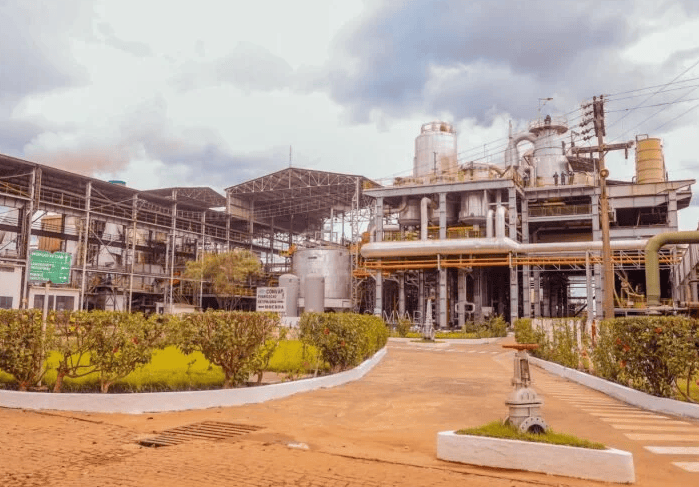
en.Wedoany.com Reported - On November 25, Colombia's Ministry of Agriculture and representatives of the sugar industry from the Valle del Cauca, Risaralda, and northern Cauca departments reached eight action arrangements covering areas including sugar import management, the bioethanol market, agricultural exports, industry financing, and smuggling oversight. Colombia's Ministry of Agriculture stated that the relevant measures will focus on safeguarding sugarcane and sugar production, improving industry competitiveness, and stabilizing employment. The industry currently provides approximately 286,000 direct and indirect jobs.

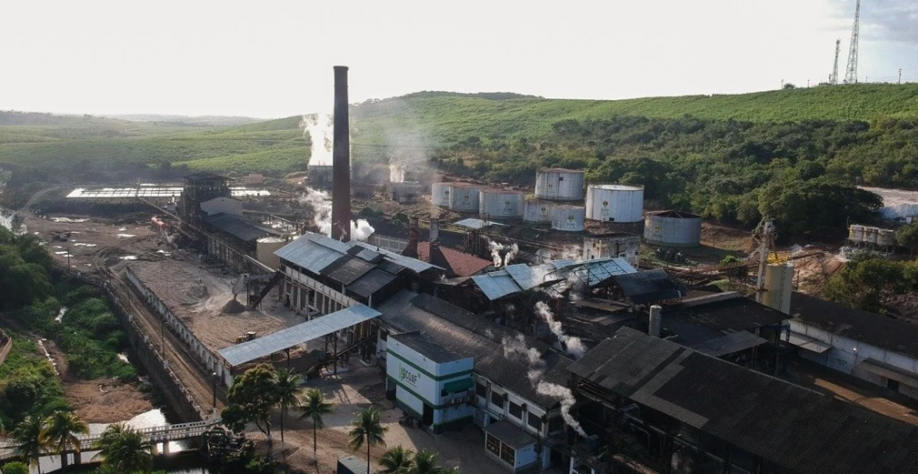
The meeting lasted more than two hours and was attended by Colombia's Ministry of Agriculture, Ministry of Trade, Colombian Agricultural Institute (ICA), Directorate of Taxes and National Customs (DIAN), Fiscal and Customs Police (POLFA), as well as the Colombian Sugarcane Growers Association (Asocaña), Risaralda Sugar Mill, Incauca Sugar Mill, Carmelita Sugar Mill, and Grupo Manuelita, among others.
Among the eight measures, the first concerns sugar imports from Bolivia. The Colombian government plans to convene a meeting of the Andean Community Council of Ministers of Agriculture to review sugar imports from Bolivia and to support anti-dumping actions proposed by the domestic sugar industry, in order to improve market competition conditions between imported and domestic products.
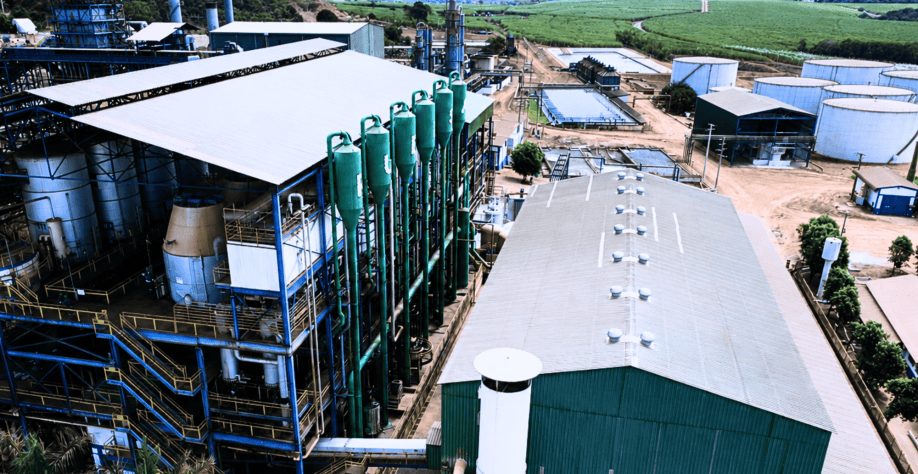
Bioethanol is another key focus of the negotiations. The Colombian government will organize an inter-agency working group comprising the Ministry of Environment, the Ministry of Mines and Energy, and the trade authorities to study issues including bioethanol blending ratios, market consumption volumes, and producer prices. Since sugarcane processing simultaneously involves sugar, bioethanol, and biomass power generation, related market policy adjustments will affect sugar companies' raw material utilization and overall operating returns.
The government plans to establish agricultural export promotion tools to support the sugarcane and sugar industry in expanding into international markets, while reviewing Colombia's relevant quota arrangements under the World Trade Organization (WTO) framework to promote greater transmission of trade quota benefits to actual producers.
On the production side, measures will be taken to improve the competitiveness of sugarcane growers and sugar production enterprises. The government will also strengthen oversight of smuggling of sugar, rice, and other agricultural products, reinforcing border and market circulation enforcement inspections to reduce the impact of illegal imports on domestic agricultural production and market order.
The government plans to establish dedicated credit and financial support mechanisms for the sugar industry and other agricultural activities, improving financing conditions for agricultural enterprises and providing funding support for production operations and industry investment.
Claudia Calero, President of the Colombian Sugarcane Growers Association, stated that the industry will continue to promote supply chain development and stable regional employment. According to data published by the Ministry of Agriculture, Colombia's sugar industry provides approximately 286,000 direct and indirect jobs, and the industry's operating conditions are closely linked to employment and economic activity in multiple agricultural production regions in the southwest.
Related Products


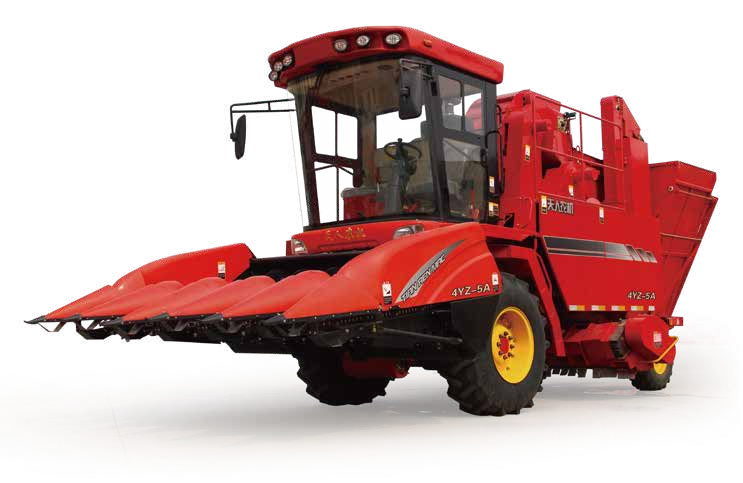
4HS-8 High-efficiency Peanut Inverted-laying Harvester
Hebei Yongfa Hongtian Agricultural Machinery Manufacturing Co., Ltd.

714CD Series C-Band Weather Radar
Chengdu Zhongdian Jinjiang Information Industry Co., Ltd.

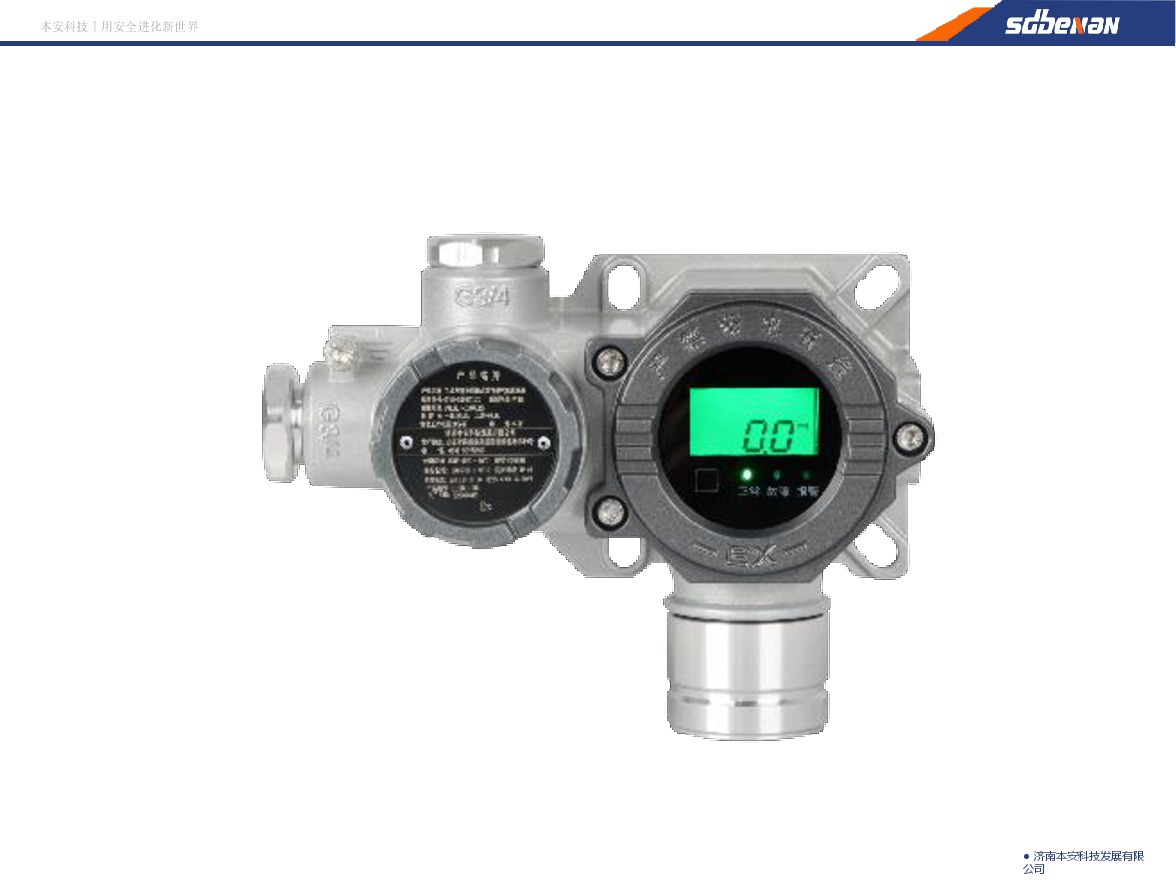
Industrial and Commercial Point-Type Gas Detector
Jinan Benan Technology Development Co., Ltd.
MH220E Two-Row Hybrid Packaged Cotton Picker
CHINA RAILWAY CONSTRUCTION HEAVY NDUSTRY XINJIANG CO., LTD.