Study on Energy Interconnection Among Six South American Countries Proposes US$18 Billion Investment Plan
en.Wedoany.com Reported - On November 26, the Latin American and Caribbean Energy Organization and the Latin American and Caribbean Development Bank released the findings of a study on the regional natural gas integration project for the Southern Common Market and Chile, identifying 11 regional energy interconnection routes and 17 infrastructure projects with an estimated investment of US$18 billion, covering Argentina, Brazil, Bolivia, Chile, Paraguay and Uruguay, with the scope of the study encompassing the joint operation and expansion of natural gas and power systems through 2035.
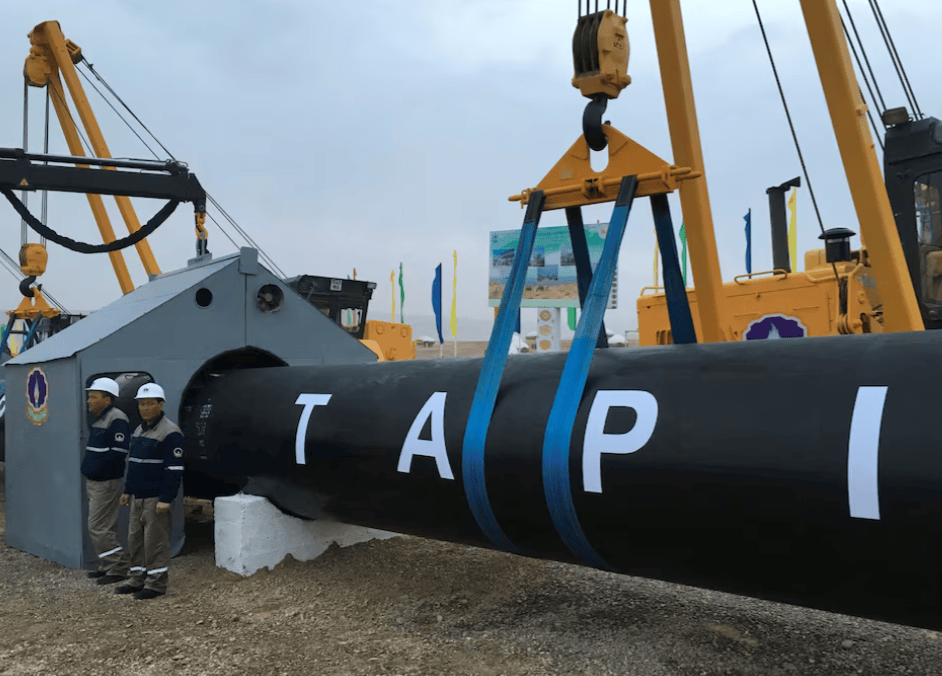
The study took two years and was carried out in seven phases. In 2025, cross-border natural gas pipelines in the relevant South American countries transported an average of 22 million cubic meters per day, accounting for only 29% of existing transport capacity. Of the 11 interconnection routes proposed in the study, 7 rely on Argentina's Manuel Belgrano Gas Pipeline to transport Vaca Muerta shale gas resources to neighboring countries. Among them, the route to central Chile offers relatively high investment economic efficiency, while the gas transmission corridor connecting Argentina and Brazil via Bolivia has significant potential for regional market development.
In terms of joint natural gas and power planning, the study proposes building a 450 MW cross-border power interconnection system from Bolivia to Paraguay, and formulates two investment scenarios for gas supply from Argentina to Brazil.
Under the scenario of limited investment budget, priority is given to upgrading the natural gas pipeline in northern Argentina and using Bolivia's existing pipeline network to transport gas to Brazil, with additional investment of approximately US$2.4 billion and regional net economic benefits of approximately US$4.3 billion. Under the scenario of expanded investment scale, a direct gas transmission channel to Porto Alegre, Brazil, would be built via Uruguaiana, with additional investment of approximately US$5.4 billion and regional net economic benefits of approximately US$4.5 billion. The above benefits are all measured on a net present value basis through 2035.
The study also incorporates fertilizer production and freight fuel substitution into natural gas demand planning. The related urea projects have a combined planned annual capacity of 5.3 million tons, while the regional urea supply gap is approximately 10 million tons.
Regarding commercial and regulatory mechanisms, representatives of the six countries proposed advancing infrastructure construction in phases according to gas transmission corridors, supporting project investment with long-term natural gas purchase contracts, and incorporating the coordination of natural gas quality standards, pipeline network access, transmission tariffs and cross-border power trading mechanisms into the 2027 work agenda.
Related Products
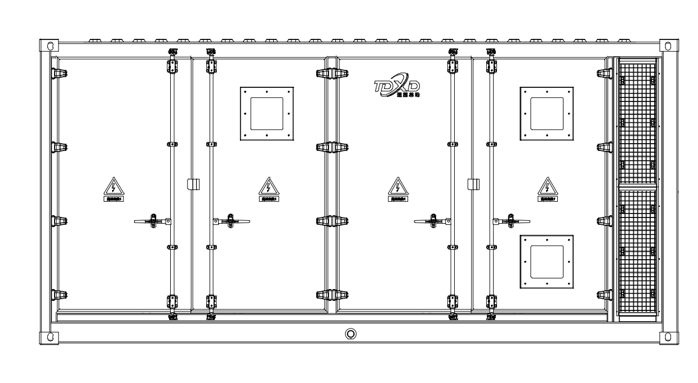

5012kWh DC Energy Storage System TD-EES-5012kWh
Suzhou Tongding Xindong Energy Storage Technology Co., Ltd.
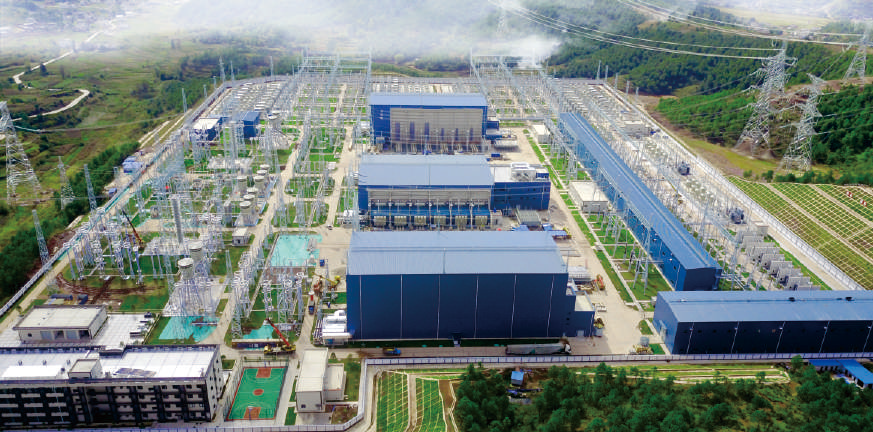
High-voltage Direct Current (HVDC) Transmission System Research and Integrated Design
XI'AN XD POWER SYSTEMS CO., LTD.

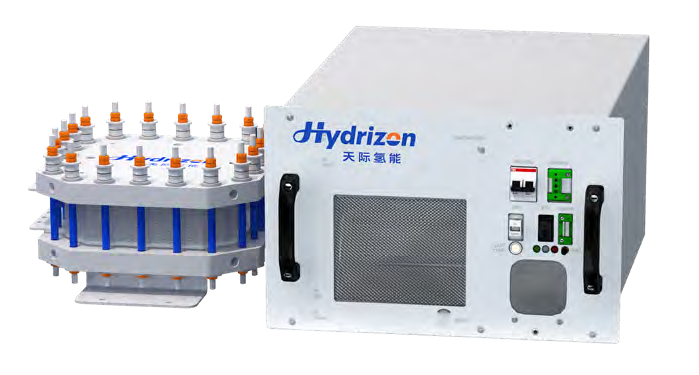
HI-Pro Green Hydrogen High-efficiency Production System-HI-PRO-AEM
Hydrizon Technology (Beijing) Co., Ltd.