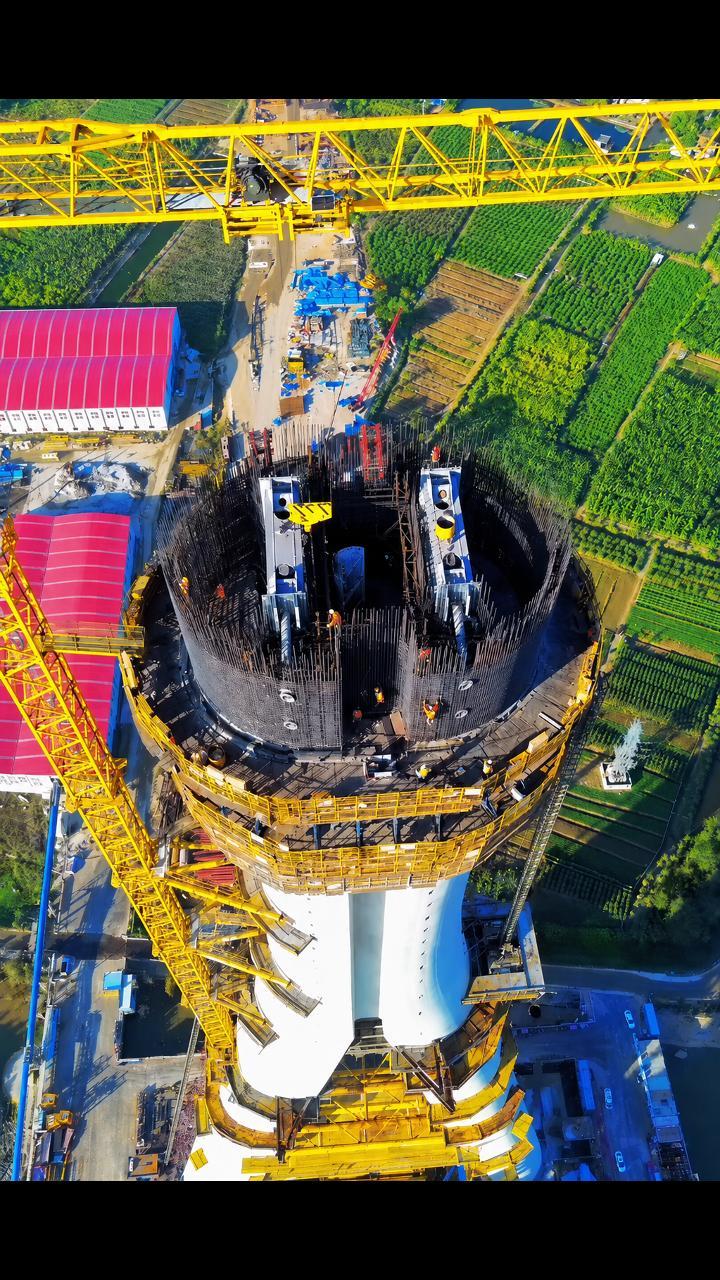
Canada's Grays Bay Project Plans 230 km Road and Arctic Deep-Water Port
en.Wedoany.com Reported - On November 27, West Kitikmeot Resources Corp. (WKR) is advancing the Grays Bay road and port project in Nunavut, with planned investment exceeding CAD 1 billion to build an approximately 230-kilometer all-weather gravel road, an Arctic deep-water port and an airport. The project is expected to have a construction period of about 5 years, with construction planned to begin in 2030 and operations commencing in 2035. Once completed, it will connect the Nunavut region with the existing road network in the Northwest Territories and provide an export corridor for local copper, zinc and other mineral resources.
The road is planned to extend northward from near the Nunavut–Northwest Territories border, passing through multiple mineral resource areas, with a designed road surface width of approximately 10 meters using a two-way traffic standard. The project is expected to require approximately 15 million cubic meters of rock fill, with up to 40 quarries opened along the route to produce roadbed gravel through blasting, crushing and screening. Because the route crosses lakes, streams and low-lying tundra areas, approximately 230 bridges and culverts will also need to be built. Related components are planned to be prefabricated in southern Canada and then transported to the construction site by sea or winter ice roads, and installed during periods when the ground and water bodies are frozen.
Permafrost treatment is a major technical challenge in the project design. Local strata are significantly affected by temperature changes, and thawing permafrost may cause roadbed settlement, road deformation and displacement of building structures. WKR plans to use fill-type construction wherever possible, placing gravel and other materials on the original ground surface to reduce disturbance to the surface from traditional cut-and-fill construction; the route will preferentially follow stable bedrock sections, and where sensitive strata cannot be avoided, large rock blocks will be used as the foundation, with thickened embankments and sand-gravel insulating layers to reduce heat transfer to the ground. Some geologically sensitive sections will be scheduled for winter construction to reduce impacts on permafrost. The road is designed for a service life of 75 years.
The port works are located at Grays Bay on the Arctic Ocean coast, and construction includes a deep-water berth, breakwater and boat launch facilities. Before construction, approximately 1 meter of sediment and loose rock must be removed from the seabed to provide conditions for building the port's marine structures. Due to significant local sea ice effects, the offshore construction window is mainly concentrated from June to October each year, and the wharf structures must also account for loads generated by sea ice compression. The supporting airport will handle the transport of personnel, equipment and construction materials.
Construction logistics will combine winter roads with seasonal maritime transport. The project plans to use the former Jericho Diamond Mine site as a southern logistics node, building a temporary ice road connecting to the Tibbitt–Contwoyto winter road in the Northwest Territories, with approximately 1,000 trucks per winter expected to transport equipment and building materials. In the first year, a temporary construction camp will be set up at the Grays Bay port location, followed by construction of permanent camp foundations, a fuel station and quarries. Road construction is planned to proceed simultaneously from both the north and south ends, with construction camps relocating approximately every three months as the project advances.
The project is being advanced by WKR, with the Kitikmeot Inuit Association as one of the major shareholders and Canadian energy infrastructure company ATCO holding a 40% equity stake. In terms of funding arrangements, the project proponent expects approximately 25% of startup capital to come from private investment, with the remaining 75% seeking federal government support. Currently, the Nunavut Impact Review Board is reviewing the revised environmental impact statement, and the project has not yet obtained all regulatory approvals. WKR has shortlisted three international engineering consortia, plans to determine the construction contractor in March 2027, and aims to obtain the relevant approval decisions in 2027.
Related Products

YHTank8400N Solvent-Free Liquid Epoxy Coating
JIANGSU YUNHU NEW MATERIAL TECHNOLOGY CO., LTD.
Pure Polyurethane Wall Panel BD-AEF-PIR-01
Baodu International Engineering Technology Co., Ltd.
RISITA explosion-proof air conditioning
Guangdong RISITA Air Conditioning Equipment Co.,Ltd.

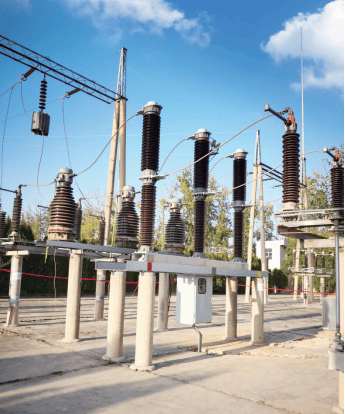
145kV Porcelain Column Type Sulfur Hexafluoride Circuit Breaker
TBEA ZONFA Shanghai High Voltage Switchgear Co., Ltd.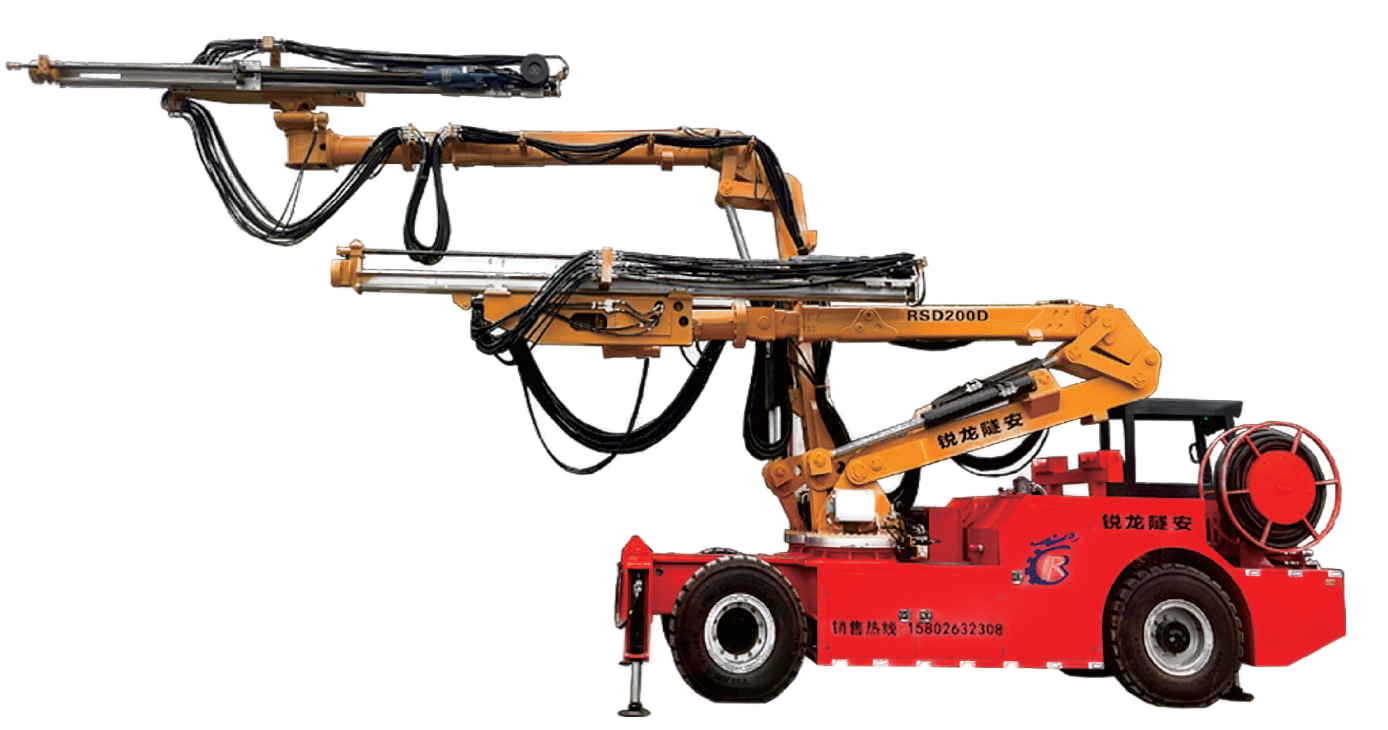
Dual-curved Arm Rock Drilling Trolley RSD200D
Chengdu Ruilong Machinery Manufacturing Co., Ltd.