China's Flexible Perovskite Tandem Solar Cell Efficiency Reaches 28.21%
en.Wedoany.com Reported - On November 27, the team led by Wang Rui at Westlake University in China, in collaboration with domestic and international research institutions, published research results on flexible perovskite/copper indium gallium selenide (CIGS) tandem solar cells in Nature Communications. Through rigid molecular interface regulation technology, the team achieved a laboratory photoelectric conversion efficiency of 28.21% for the flexible tandem cell, with a third-party certified efficiency of 27.58%, and the cell maintained 94.2% of its initial efficiency after 5,000 bending cycles.
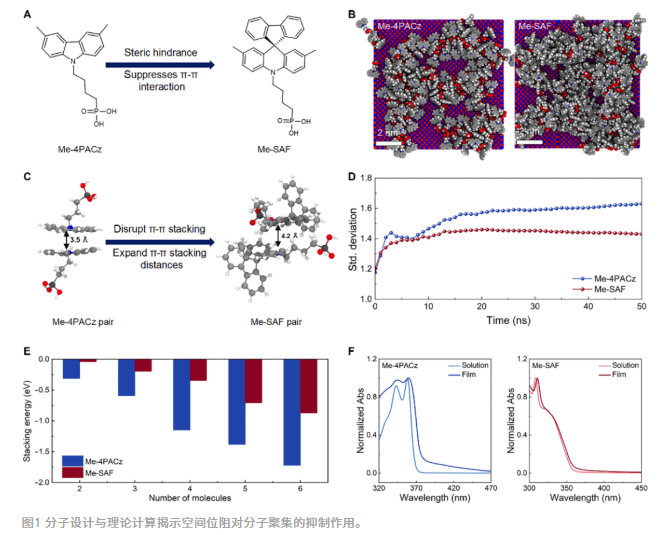
To address issues such as the rough surface of the CIGS bottom cell, disordered arrangement of conventional hole-transport molecules, and interfacial charge recombination losses, the research team designed and synthesized a rigid hole-transport molecule, Py6, by introducing carbon-carbon double bonds to replace conventional flexible linking structures, thereby improving molecular planarity and ordered arrangement, and constructing a dense contact interface between nickel oxide and perovskite. The molecular dipole moment increased from 1.12 Debye to 3.15 Debye, improving interfacial energy level matching and charge extraction performance.
The study adopted a steel-substrate two-terminal monolithically integrated tandem cell structure, combining a perovskite top cell with a bandgap of approximately 1.65 electron volts and a CIGS bottom cell. The device with an area of 0.0749 square centimeters achieved a reverse-scan efficiency of 28.21%, an open-circuit voltage of 1.833 volts, a short-circuit current density of 18.58 milliamperes per square centimeter, and a fill factor of 82.84%. After scaling up to 1.010 square centimeters, the device conversion efficiency reached 25.63%, with third-party certified efficiency and certified steady-state efficiency reaching 25.19% and 25.16%, respectively.
In stability testing, the encapsulated cell maintained 93.8% of its initial conversion efficiency after 400 hours of maximum power point tracking under standard solar illumination in an air environment at approximately 45 degrees Celsius and approximately 40% relative humidity. The unencapsulated device maintained 94.2% of its initial efficiency after 5,000 bending cycles at a bending radius of 10 millimeters in a nitrogen environment.
Related Products


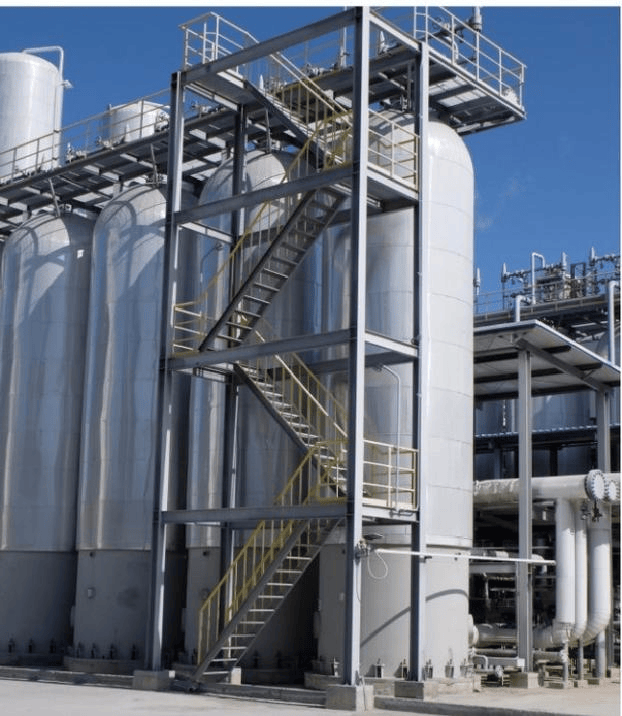
Hydrogen Production Technology: Hydrogen Purification by Pressure Swing Adsorption
Chengdu Yizhi Technology Co., Ltd.
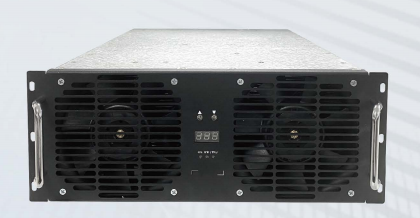
80kW Megawatt Supercharging Module TH80F10030C9
Shijiazhuang Tonhe Electronics Technologies Co., Ltd.
40.5kV-1100kV Gas Insulated Metal-Enclosed Switchgear (GIS)
Henan Pinggao Electric Co., Ltd.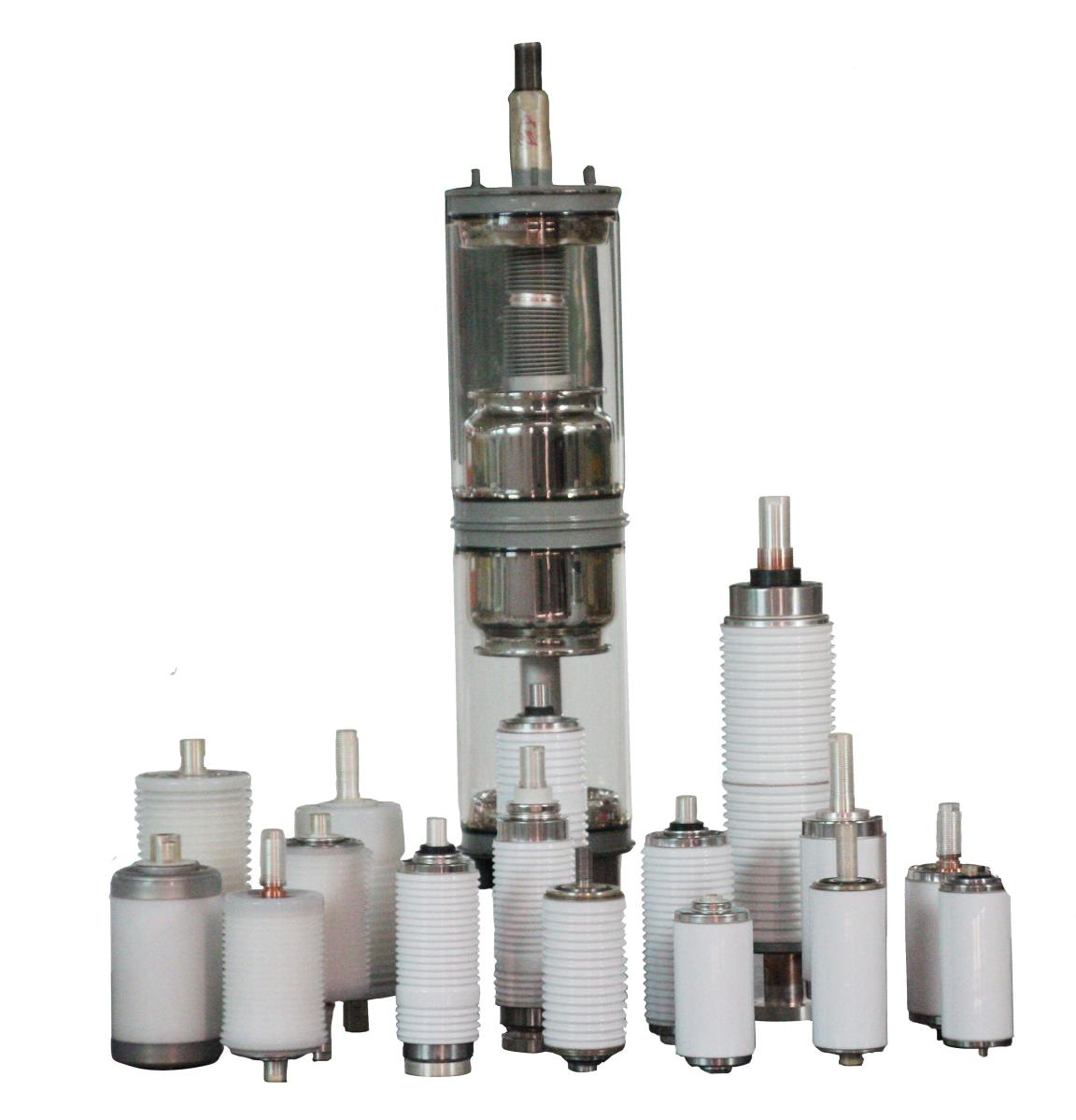

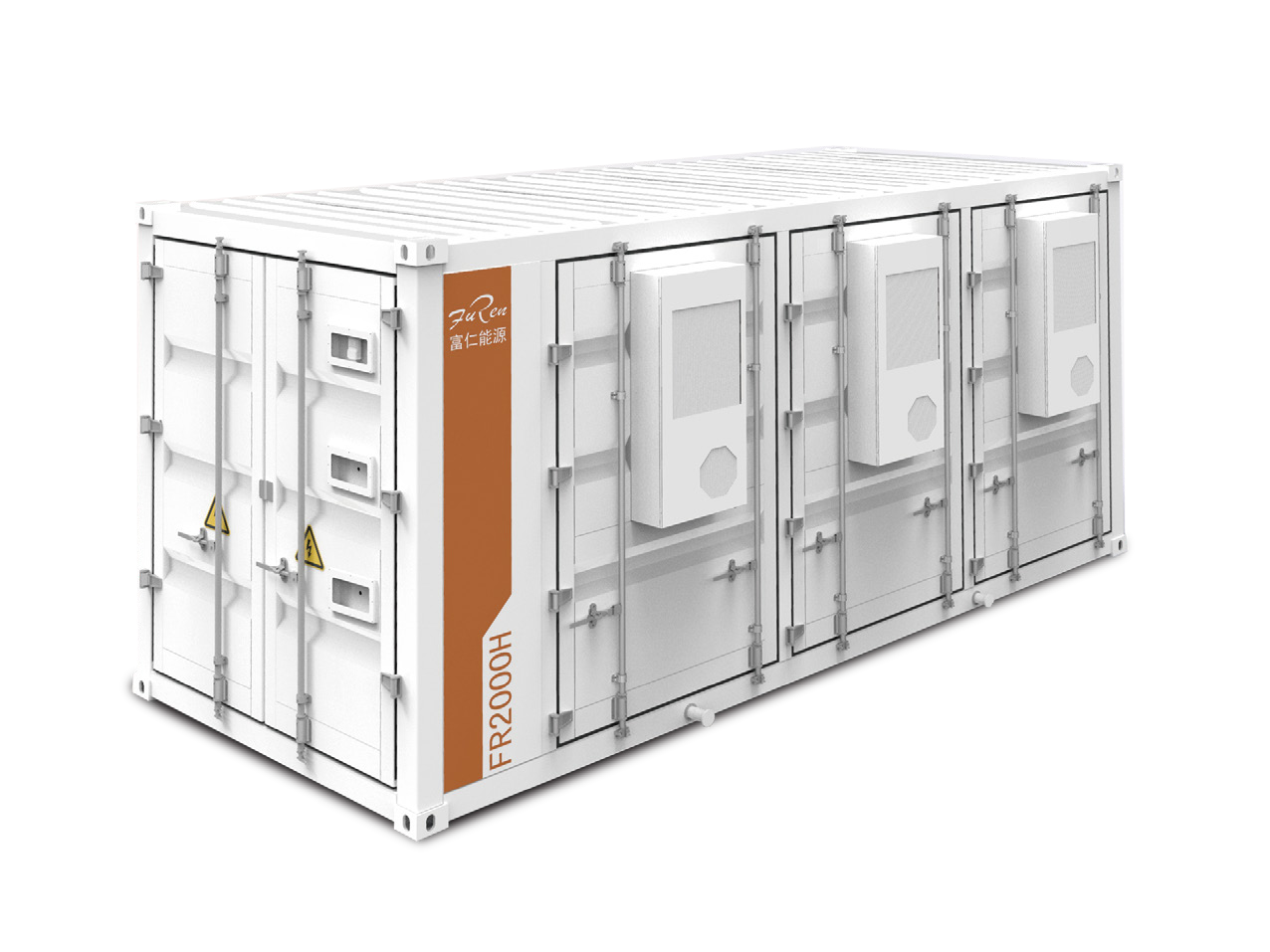
FR2000H 2.15MWh (Air-cooled) 20-foot Containerized Energy Storage System
Jiangyin Furen High-tech Co., Ltd.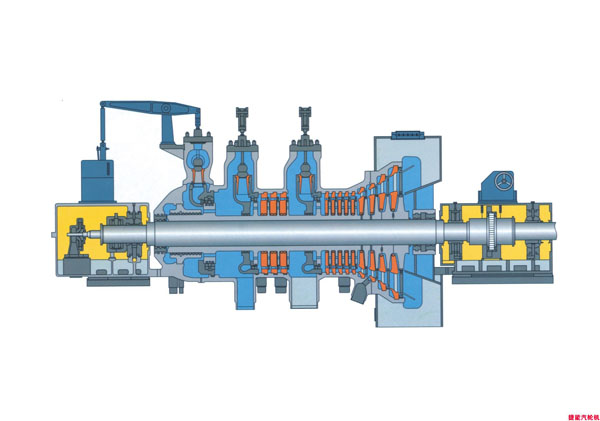
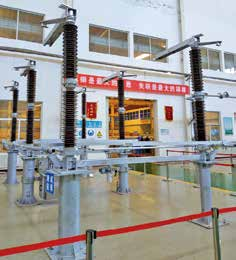
GW4-40.5/72.5/126/145/170/252/363/420 Series Double-column Horizontal Rotary High-voltage AC Disconnect Switch
SHANDONG TAIKAI DISCONNECTORS CO., LTD.