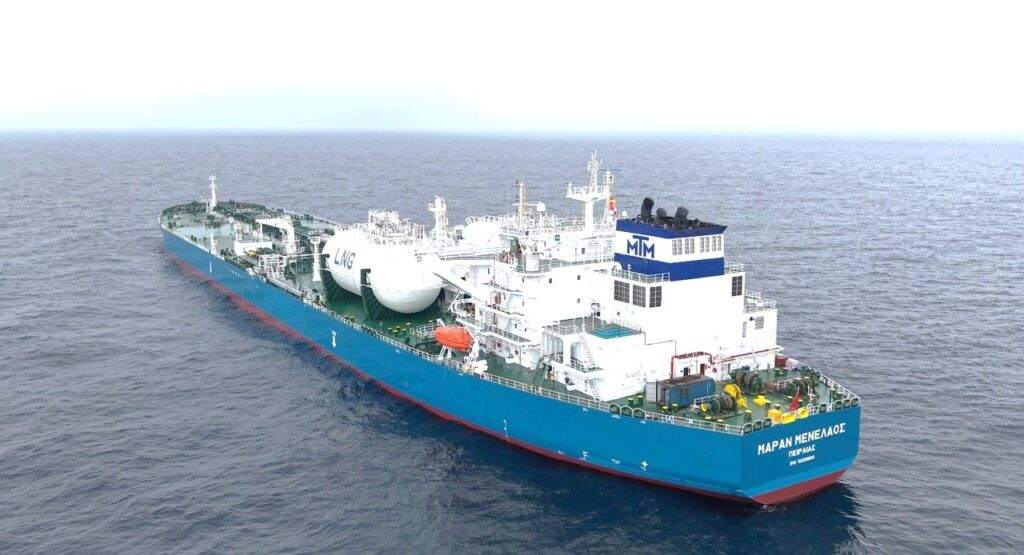
Wedoany.com Report-Aug. 20, Houston-based Fleetzero, a developer of modular marine batteries, has partnered with naval architecture firm Glosten to design a hybrid electric vessel anticipated to have the longest range of its kind. The project involves retrofitting a lightering support vessel (LSV) owned by AET, a subsidiary of Malaysia’s MISC, with a plug-in hybrid-electric propulsion system. The vessel will primarily operate on battery power once the conversion is complete.
The design phase is underway, with Fleetzero and Glosten planning to move into detailed engineering in the coming months. Construction is scheduled to begin in mid-2026. The retrofit aims to significantly enhance the vessel’s environmental performance, reducing greenhouse gas emissions by approximately 82% compared to traditional LSVs on a tank-to-wake basis, according to AET and Fleetzero estimates. This reduction is expected to avoid 1,220 tonnes of emissions annually while lowering fuel and maintenance costs without compromising safety standards.
“This vessel will be a major milestone—not just for us, but for the entire industry,” said Steven Henderson, CEO of Fleetzero. “Partnering with Glosten allows us to showcase how our propulsion technology can enable economical, cleaner, and more efficient operations, while pushing the boundaries of what’s possible in shipping.”
The collaboration leverages Fleetzero’s expertise in modular battery systems and Glosten’s naval architecture capabilities to advance sustainable maritime technology. The retrofitted vessel is expected to serve as a model for long-range hybrid-electric propulsion, demonstrating its viability for commercial shipping applications worldwide.
“We’re excited to support Fleetzero in transforming this vessel,” said Morgan Fanberg, CEO and President of Glosten. “It’s a bold move toward the next generation of marine technology, and exactly the kind of advancement we’re proud to support.”
The project aligns with global efforts to reduce the maritime industry’s environmental footprint. By integrating hybrid-electric propulsion, the initiative supports cleaner operations for lightering support vessels, which are used for ship-to-ship cargo transfers. The successful completion of this retrofit could pave the way for broader adoption of hybrid technology across AET’s fleet and the maritime sector, contributing to more sustainable shipping practices.