Wedoany.com Report-Aug. 26, Vietnam’s pig population increased by 3.8% by the end of June 2025 compared to the previous year, driven by favorable prices and a shift toward semi-industrial production, according to a USDA Foreign Agricultural Service market report. Notable growth was recorded in Gia Lai (30%), Kon Tum (20%), and Tay Ninh (48%).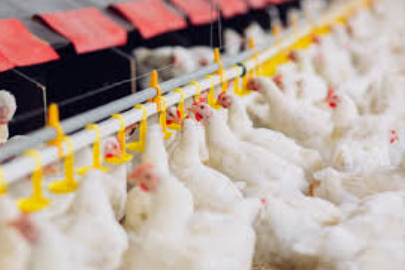
Despite this progress, challenges persist due to diseases such as African swine fever (ASF), foot-and-mouth disease, lumpy skin disease, and porcine reproductive and respiratory syndrome. In July, the prime minister issued a directive urging immediate measures to control ASF, which officials noted poses a risk to the livestock sector’s growth objectives: “African swine fever continues to threaten livestock sector growth targets.”
The poultry sector also saw gains, with a 4% year-over-year increase in flock size by June 2025, and no significant disease outbreaks reported. This growth supports Vietnam’s efforts to meet rising domestic demand for poultry products.
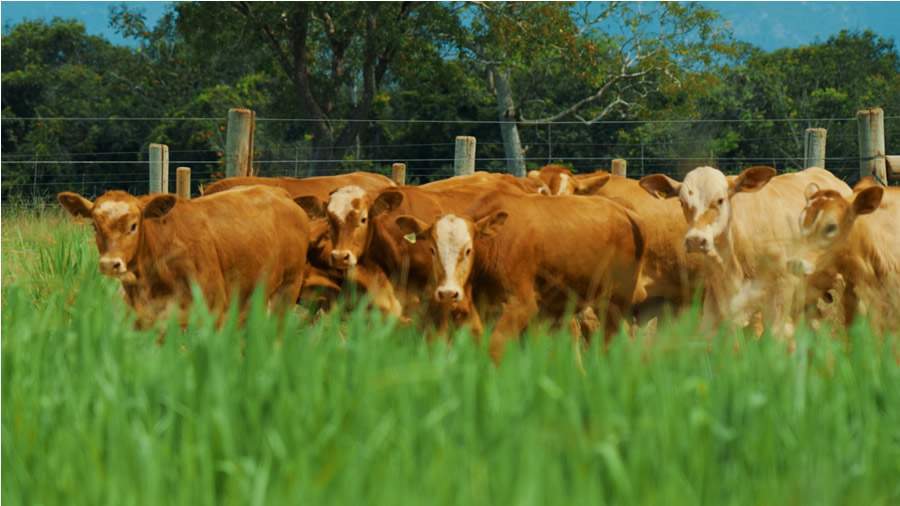
In contrast, buffalo and cattle populations declined, with buffalo numbers dropping 3.4% and cattle decreasing by 0.6% compared to June 2024. These reductions were attributed to low profitability and shrinking grazing areas, impacting traditional livestock farming.
Feed demand is projected to rise, reaching 28.7 million metric tons in 2025 and 29.5 million metric tons in 2026. To meet this demand, Vietnam anticipates importing 12.2 million tons of corn, as domestic production is expected to decline. This increase in feed imports reflects the growing needs of the expanding pig and poultry sectors, which rely heavily on consistent feed supplies.
The shift toward semi-industrial pig production has bolstered efficiency and output, supporting market stability. However, ongoing disease management remains critical to sustaining growth in the livestock sector. The government’s proactive measures aim to address these challenges, ensuring the industry can meet both domestic consumption needs and export opportunities.
Vietnam’s livestock sector continues to evolve, balancing growth in pig and poultry populations with efforts to mitigate disease risks and address declining cattle and buffalo herds. The projected rise in feed imports underscores the importance of strengthening supply chains to support the country’s agricultural ambitions.