2026 Indian Union Budget Focuses on Fertilizer Self-Sufficiency and Agricultural Technology Innovation
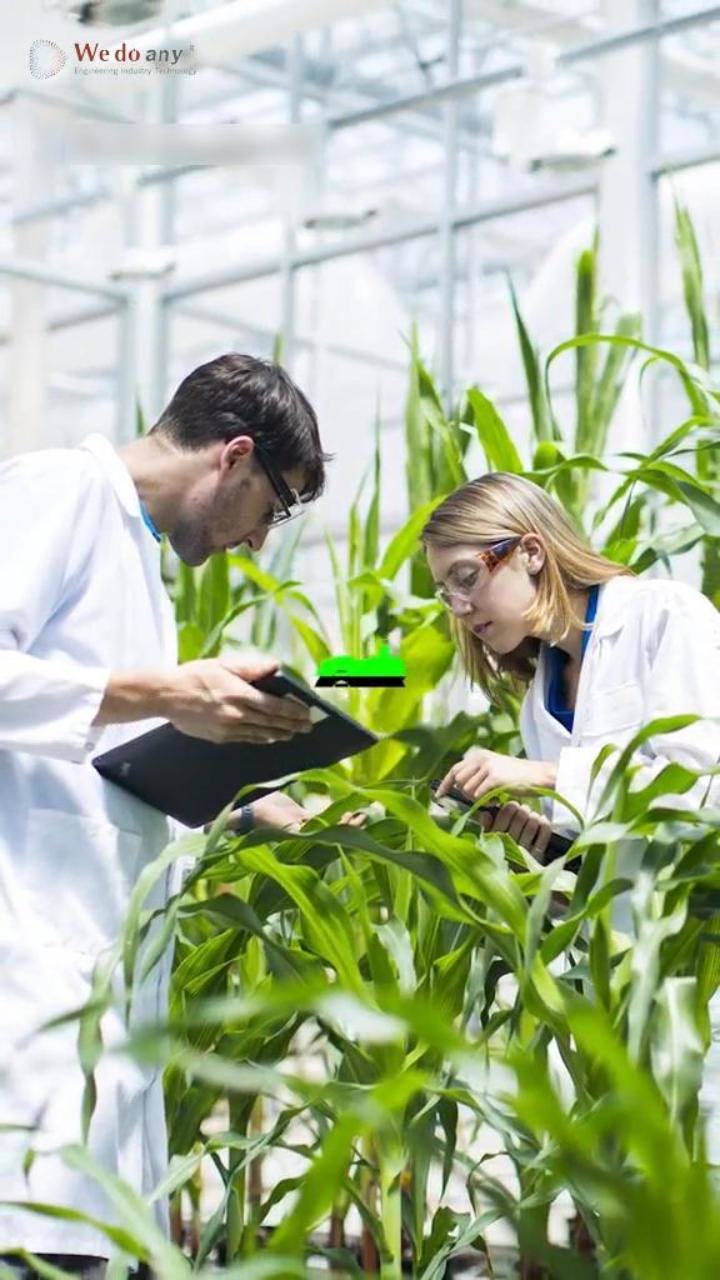
Wedoany.com Report on Feb 13th, The core of India's food security discourse has shifted from merely ensuring fertilizer supply to establishing strategic control over resources that influence the entire agricultural production process. In this context, fertilizer self-sufficiency has become a national security priority. The 2026-27 Union Budget proposes a framework integrating biology and technology, with Bharat-VISTAAR as a multilingual AI tool. It combines AgriStack and the Indian Council of Agricultural Research's practical data with AI systems, aiming to enhance farmers' decision-making capabilities, reduce risks, and improve production efficiency through customized guidance.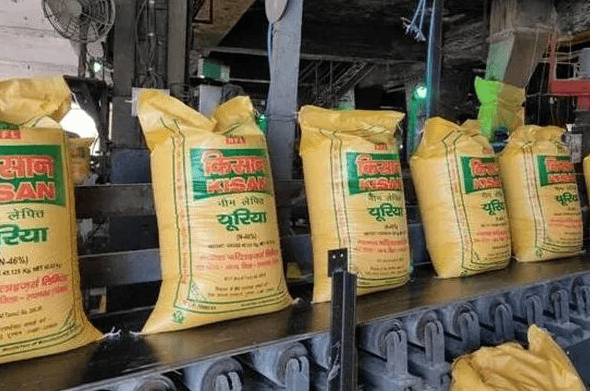
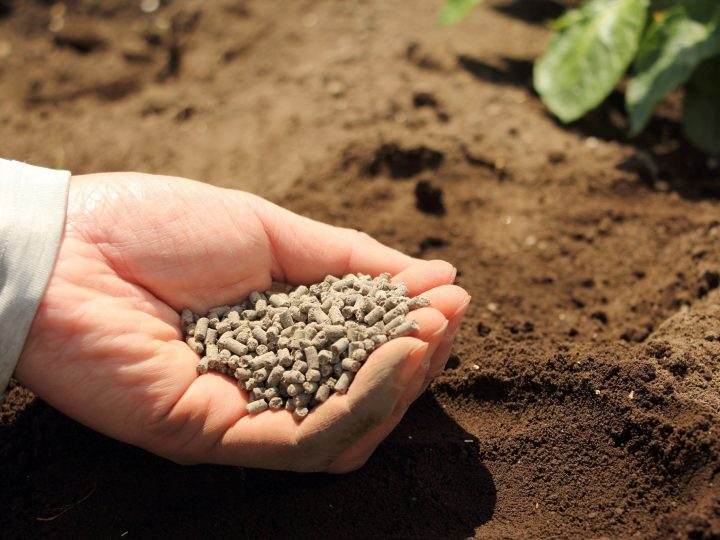
Even with stable fertilizer supply, insufficient nutrient application efficiency can still affect soil health and limit yields. Bharat-VISTAAR uses AI analysis to provide farmers with science-based recommendations for product selection, dosage, and timing. Concurrently, the budget allocates ₹1.71 trillion for affordable fertilizer supply to mitigate global market volatility. The current geopolitical situation introduces uncertainty into fertilizer supply. India is adopting a dual strategy: protecting farmers from price fluctuations and gradually building diversified domestic capacity. For instance, Indian companies are collaborating with international partners in the crop-specific fertilizer sector to develop solutions tailored to local needs.
Data from India's Department of Chemicals and Fertilizers shows that in 2025, total domestic fertilizer production reached 524.62 lakh tonnes, meeting about 73% of domestic demand, reflecting the success of policy support and capacity investment. Urea, a key category, saw sales grow by 3.8% to 31.16 million tonnes between April and December 2025, with domestic production at 22.44 million tonnes and imports surging 85.3% to 8 million tonnes, ensuring supply during peak usage periods. However, balancing nutrient use with soil sustainability is crucial for managing production risks for smallholder farmers under climate change.
The budget provides a clear framework for agricultural strategy; the subsequent focus lies on policy implementation and resource conversion. Through technological innovation and capacity building, India is advancing fertilizer self-sufficiency and sustainable agricultural development.
Related Products


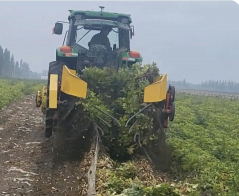
4HS-8 High-efficiency Peanut Inverted-laying Harvester
Hebei Yongfa Hongtian Agricultural Machinery Manufacturing Co., Ltd.
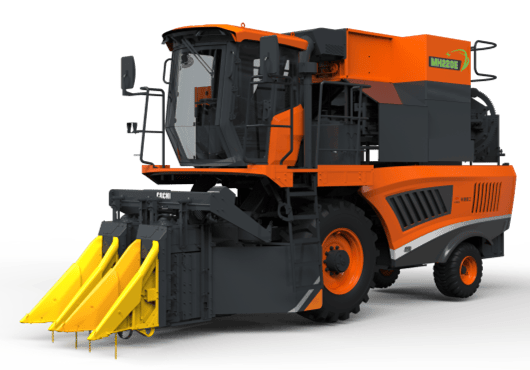
MH220E Two-Row Hybrid Packaged Cotton Picker
CHINA RAILWAY CONSTRUCTION HEAVY NDUSTRY XINJIANG CO., LTD.

714CD Series C-Band Weather Radar
Chengdu Zhongdian Jinjiang Information Industry Co., Ltd.