Brazilian Senate Approves Fertilizer Industry Development Plan
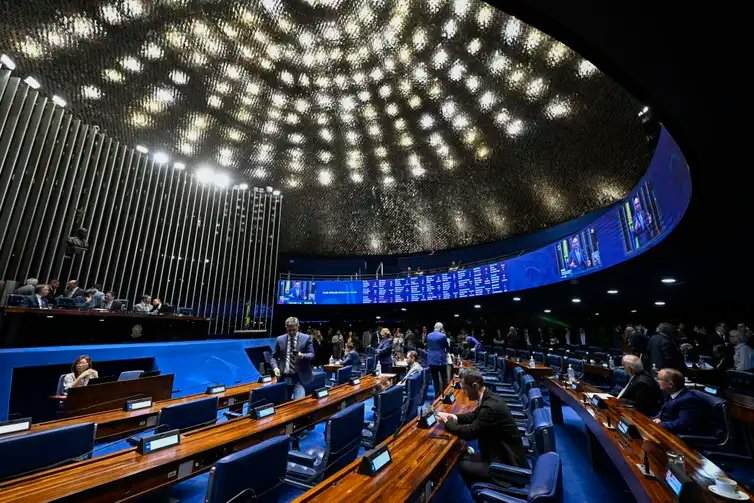
en.Wedoany.com Reported - The Plenary of the Brazilian Federal Senate approved, in a symbolic vote on Tuesday afternoon (11th), Bill No. 699/2023, establishing the Fertilizer Industry Development Program (Profert), which supports domestic production through tax incentives and the creation of a fund, aiming to reduce Brazilian agriculture's dependence on imported fertilizers.

The bill has now been submitted for presidential approval. The new program provides for tax exemptions on imported machinery and on industrial facilities established in Brazil for the production of fertilizer raw materials. The text approved by the Senate is the substitute text from the Chamber of Deputies, incorporating wording adjustments proposed by rapporteur Tereza Cristina (PP-MS). She stated that the bill will reclaim what Brazil has needed for years, reducing dependence on fully imported fertilizers and bringing the often-mentioned sovereignty; fertilizer sovereignty is crucial to Brazilian agriculture.
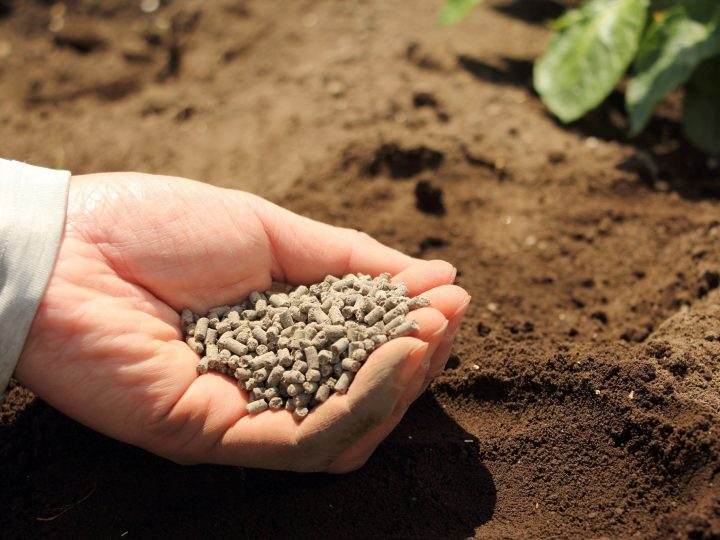
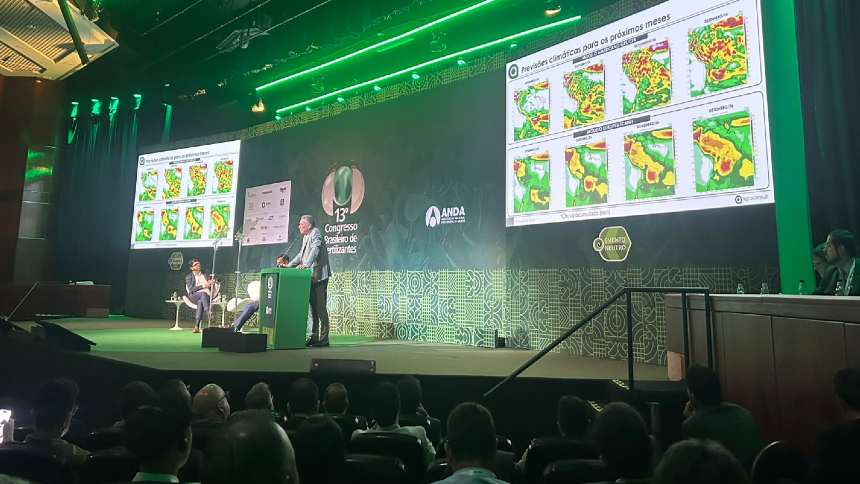
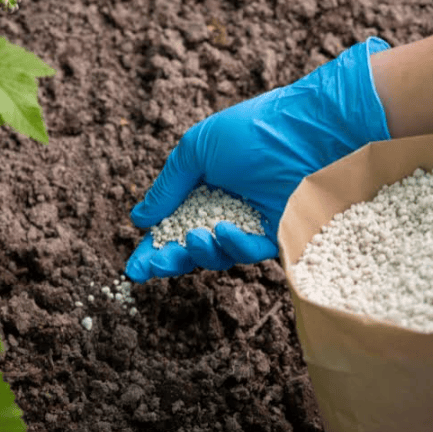
Fertilizers are agricultural inputs that provide plants with the nutrients needed for growth and development, as well as for the formation of leaves, roots, fruits, and seeds. The main types are nitrogen, phosphate, and potassium fertilizers, which supply nitrogen, phosphorus, and potassium, respectively, collectively known as NPK, and are essential for crop yields. According to data from the National Association for Fertilizer Promotion (ANDA), Brazil imported 43.3 million tons of intermediate fertilizers in 2025, with the main products being potassium chloride, urea, and monoammonium phosphate (MAP). Imported fertilizers account for more than 80% of the inputs used in Brazilian agribusiness, particularly concentrated in the production of commodities such as soybeans, corn, and sugarcane, which makes Brazilian agriculture sensitive to international price fluctuations, exchange rate variations, and geopolitical conditions, with purchases in recent years mainly sourced from countries such as Russia and China.
This vote took place during the "concentrated efforts week," held after the recess to advance the consideration of proposals in the Plenary and committees. According to the President of the Senate, Davi Alcolumbre (União-AP), two concentrated effort weeks will be scheduled before the elections: August 10–14 and August 31–September 3, with the Chamber of Deputies following the same schedule. During these two periods, it is expected that provisional measures (MPs) opening special credit will be voted on, as such measures require congressional approval to avoid expiring in the coming weeks.
Related Products


Industrial and Commercial Point-Type Gas Detector
Jinan Benan Technology Development Co., Ltd.
714CD Series C-Band Weather Radar
Chengdu Zhongdian Jinjiang Information Industry Co., Ltd.



4HS-8 High-efficiency Peanut Inverted-laying Harvester
Hebei Yongfa Hongtian Agricultural Machinery Manufacturing Co., Ltd.