Indonesia's Biodiesel Expansion Pause Limits Palm Oil Production Growth
Wedoany.com Report on Feb 13th, Indonesia's suspension of its plan to increase the biodiesel blending ratio is expected to divert more palm oil supply to the global market. Meanwhile, production growth prospects in key Southeast Asian producing regions are diverging. Analysts believe that changes in demand and supply-side uncertainties will jointly influence future palm oil price trends.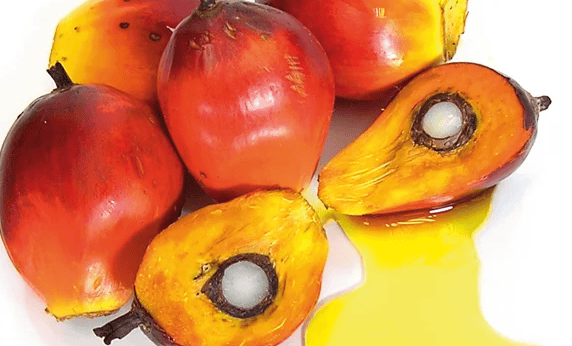
Indonesia is the world's largest palm oil producer. Data from the Indonesian Palm Oil Association (GAPKI) shows that the country's crude palm oil production increased by 8% year-on-year to 51.98 million tons in 2025, with the growth rate expected to narrow to 2-3% in 2026. The government's ongoing compliance checks on palm plantations have led to the sealing of approximately 4.1 million hectares of plantations since last year. Fertilization levels and field maintenance by both large companies and smallholders have been affected to varying degrees, potentially constraining production growth.
Production in Malaysia, the second-largest producer, is expected to decline in 2026. Barring major weather disruptions, analysis agencies predict that the price of Malaysian palm oil futures will trade within the range of 3,800 to 4,300 ringgit (approximately $968 to $1,096) per ton by July 2026.
On the demand side, India, the world's largest edible oil importer, is expected to increase its palm oil purchases this year, which will help alleviate the inventory pressure that had accumulated in Malaysia. Demand from the Chinese market, however, shows a contracting trend. As the price competitiveness of substitute oils such as rapeseed oil and soybean oil increases, China's import demand for palm oil is expected to continue declining in 2026.
The industry believes that Indonesia's biodiesel policy entering a wait-and-see period has weakened some biofuel demand in the short term. However, factors such as slowing production growth and India's increased willingness to purchase may provide support for prices. With variables on both the supply and demand sides of the palm oil market, the downside for prices may be relatively limited.
Related Products


MH220E Two-Row Hybrid Packaged Cotton Picker
CHINA RAILWAY CONSTRUCTION HEAVY NDUSTRY XINJIANG CO., LTD.




714CD Series C-Band Weather Radar
Chengdu Zhongdian Jinjiang Information Industry Co., Ltd.
Industrial and Commercial Point-Type Gas Detector
Jinan Benan Technology Development Co., Ltd.