Wedoany.com Report on Feb 13th, Analytical instrument developer Da Vinci Laboratory Solutions recently launched a Diene Value Analyzer, a fully automatic device for detecting conjugated dienes in the petrochemical and refining industries. The device automates the Diels-Alder reaction using ultraviolet-visible detection technology, enabling sample analysis within five minutes.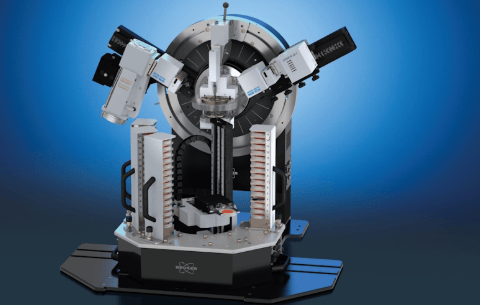
Diene value is a key parameter for quality control in refining and petrochemical processes. Conjugated dienes in processes such as catalytic cracking and pyrolysis can easily lead to catalyst deactivation, equipment coking, and unplanned shutdowns, making it necessary to monitor process materials and products. The widely used industry standard UOP 326 method currently requires manual operation, involves hazardous chemicals, and has a lengthy analysis cycle.
Da Vinci Laboratory states that the newly developed analyzer can complete testing without manual intervention, preventing operators from exposure to harmful reagents. The device has a detection range for diene values from 0.5 to 100, making it suitable for various petrochemical processes and the inspection of finished and semi-finished products.
The analyzer employs a closed reaction and detection system, improving test repeatability through standardized procedures and reducing data deviations caused by operational differences. The device features a built-in calibration curve, allowing direct output of diene value readings without additional calculations.
The company has not disclosed the specific development timeline or market launch plans for the product, nor has it revealed a list of customers already using the device. Headquartered in Europe, Da Vinci Laboratory has long focused on specialized analytical instruments and laboratory automation solutions for the petrochemical industry.
The launch of this Diene Value Analyzer represents the latest expansion of its process analysis product line. The company previously introduced several automated instruments for testing the physical properties of fuels, lubricants, and base oils.