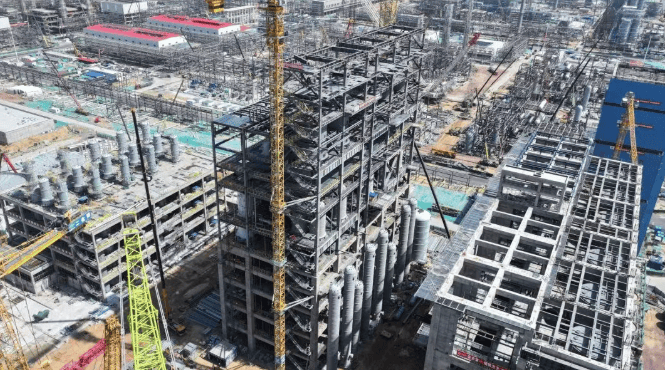
China Hengyi Energy's 25.7 Billion Yuan Coal-to-Ethylene Glycol Project Boiler Foundation Completed
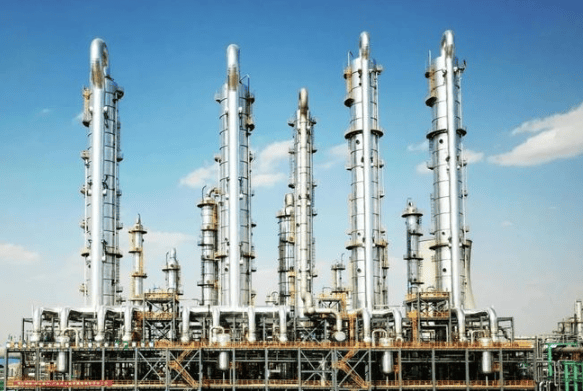
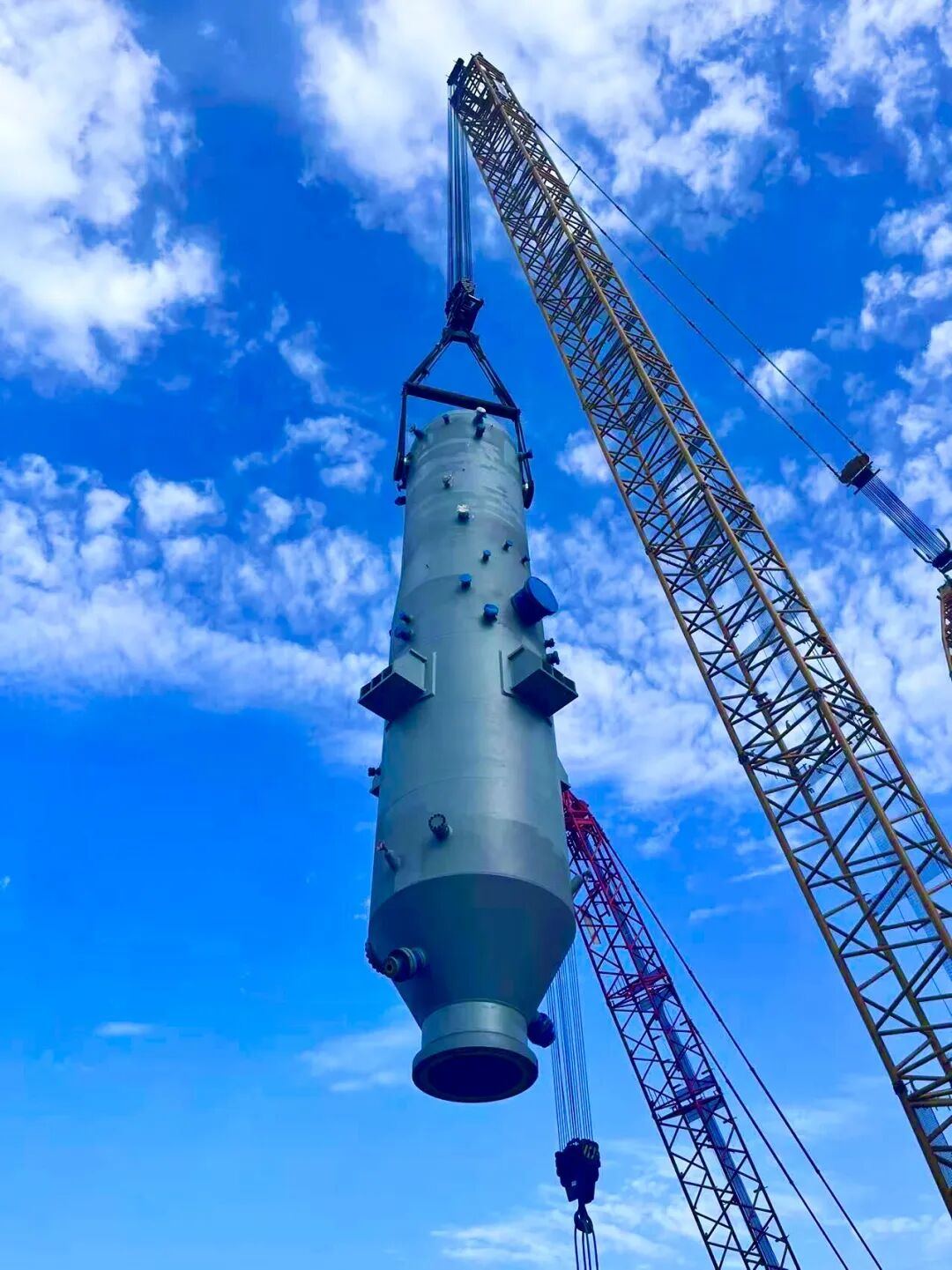
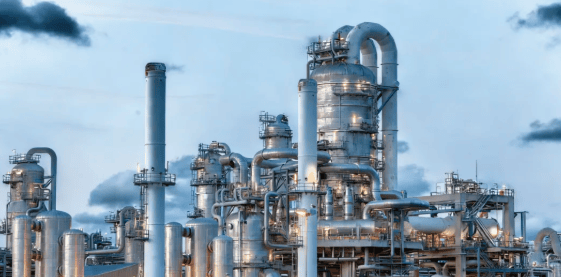
en.Wedoany.com Reported - The 1# boiler foundation project for the energy and power unit and coal storage and transportation system of Hengyi Energy Technology (Turpan) Co., Ltd.'s 2.4 million tons/year high-quality fiber-grade coal-to-ethylene glycol project has recently been successfully completed, meeting a key construction milestone on schedule. As the world's largest single-unit high-quality coal-based polyester-grade ethylene glycol project currently under construction, this milestone marks the full entry of China's ultra-large-capacity coal-to-ethylene glycol integrated project into the critical construction phase.
Represented by this project, China's coal-to-ethylene glycol industry is ushering in a new round of concentrated capacity expansion. Multiple large-scale projects in Xinjiang are progressing in an orderly manner, while numerous million-ton-level new projects in Ningxia, Shaanxi, and other regions are intensively commencing construction, being announced, and coming to fruition, clearly indicating an industry capacity expansion trend. Industry analysts suggest that this round of concentrated implementation of million-ton-level projects and the upgrade and expansion of existing capacity are jointly driven by multiple factors, including prominent cost advantages, increased supply chain security demands, and the full industry chain layout of leading enterprises. This will reshape the supply-demand structure and market competition landscape of China's ethylene glycol industry.
Ethylene glycol is a core essential raw material for the polyester industry. Polyester-grade (fiber-grade) ethylene glycol is suitable for high-end polymerization production, accounting for over 90% of China's total ethylene glycol consumption. It serves as a fundamental chemical raw material for downstream manufacturing sectors such as polyester textiles, food packaging bottles, and photovoltaic films. Coal-based polyester-grade ethylene glycol is produced using coal as the initial raw material through chemical processes including coal gasification, syngas conversion, catalytic hydrogenation, and deep refining. Its product specifications fully meet national polymerization-grade standards and can be directly used for high-end polyester synthesis.
Compared to ordinary industrial-grade ethylene glycol, the entry barrier for polyester-grade ethylene glycol is extremely stringent. It requires product purity of no less than 99.9%, a platinum-cobalt color number of 0-5, strict control of aldehyde impurities, and compliance with three ultraviolet transmittance indicators. Exceeding trace impurity limits can directly cause yellowing of polyester fibers, insufficient transparency of bottle chips, and failure of film performance, making it a core quality control point for high-end polyester production.
Based on China's resource endowment of being "rich in coal, poor in oil, and short of gas," the strategic value of the coal-based polyester-grade ethylene glycol industry is significant. Firstly, it effectively strengthens the security of the chemical raw material supply chain. Traditional Chinese ethylene glycol is mostly produced via the petroleum ethylene route, heavily reliant on imported crude oil. Coal-to-ethylene glycol replaces oil with coal, substantially reducing dependence on petroleum resources. Data shows that as of May 2026, China's coal-to-ethylene glycol production capacity reached 11.3 million tons, accounting for 36.7% of the national total capacity, driving down China's ethylene glycol import dependence from nearly 60% in 2015 to 27.5% in 2025.
Secondly, the coal-based route offers significant cost advantages. Data indicates that when Brent crude oil prices exceed $65/barrel, this route gains a cost advantage; when oil prices surpass $80/barrel, this advantage expands significantly. In March 2026, driven by geopolitical conflicts, international oil prices surged to $110/barrel, causing losses of over 1,000 yuan per ton for oil-based ethylene glycol, while the profit per ton for coal-based ethylene glycol during the same period approached 500 yuan.
Simultaneously, large-scale integrated projects can drive the efficient cascading utilization of coal resources, aligning with the low-carbon transformation direction. Projects can co-produce high-value-added products such as dimethyl carbonate and coal-based ethanol, achieving a value leap for coal from fuel to high-end chemical raw materials. The industry is currently exploring low-carbon processes such as green hydrogen coupling to replace fossil-based hydrogen production and CCUS carbon capture to continuously reduce carbon emissions across the entire industrial chain.
After over a decade of domestic research and iterative development, China has become the only country globally to achieve large-scale industrial application of coal-to-ethylene glycol. The industry currently has three mainstream technology routes, with significant differences in maturity and economics. The first is the one-step direct synthesis from syngas, which has the shortest process flow but suffers from insufficient stability of core catalysts and difficulty in meeting product purity standards, making large-scale million-ton industrial production challenging in the long term. The second is the coal-to-olefins-to-ethylene glycol route, which is technologically mature but has high energy consumption and costs. The third is the two-step oxalate synthesis route, which features a mature process, controllable energy consumption, and high product purity, capable of stably producing polyester-grade products. It is currently the mainstream commercially implemented process in China.
Through long-term technological breakthroughs, China has developed multiple process systems with fully independent intellectual property rights, with core technologies and equipment all localized. Currently, entities in China that have announced mastery of coal-to-ethylene glycol technology mainly include: the consortium of Fujian Institute of Research on the Structure of Matter, Chinese Academy of Sciences; Danke Group; and Henan Coal Chemical Industry Group; the consortium of Tianjin University, Wison Engineering, and Huaben Energy; the consortium of East China University of Science and Technology, Shanghai Pujing, and Huaihua Group; and Huayi Group, among others. Currently, all high-quality coal-to-ethylene glycol projects in China adopt domestically developed proprietary processes, with production capacity mainly concentrated in the four major coal-rich regions of Xinjiang, Shaanxi, Ningxia, and Inner Mongolia.
Among the benchmark projects already in operation, the 1.8 million tons/year coal-to-ethylene glycol plant of Shaanxi Coal Yulin Chemical is the world's largest single-unit capacity in operation. Equipped with Tianjin University-Zhongke Far East high-end refining technology, it achieved stable full-load operation in 2023, leading the nation in energy consumption, water consumption, and economic efficiency. The 200,000 tons/year plant of Tongliao Jincoal chemical industry, as the world's first commercial demonstration project for coal-to-ethylene glycol, validated the feasibility of the domestic oxalate route and accumulated key industrial operation experience for the entire industry.
Since 2026, a batch of super-large integrated projects in China have commenced construction and accelerated development. The Hengyi Turpan 2.4 million tons/year high-quality polyester-grade ethylene glycol project started construction in March 2026, with a total investment of 25.7 billion yuan. It is planned to commence production by the end of 2028, producing entirely high-end fiber-grade products and simultaneously supporting local polyester filament yarn capacity, forming a closed-loop "coal-ethylene glycol-chemical fiber" full industry chain. Upon reaching full capacity, its annual output value is expected to exceed 12 billion yuan. The Tongkun Group Xinjiang Zhongkun 1 million tons/year ethylene glycol project started construction in August 2026, with a total investment of 10.769 billion yuan, planned for production in 2028, with all products supporting its own chemical fiber capacity. The Ningxia Baofeng Energy 5 million tons/year ethylene glycol project started construction in April 2026, with a total investment of 24.8 billion yuan. It innovatively adopts a green hydrogen carbon reduction process, building a complete "coal-methanol-ethylene glycol-PET new materials" industrial chain, expected to be completed and put into operation by June 2028. The Xinjiang Henglian 1.2 million tons/year coal-to-ethylene glycol project is located in the Zhundong Energy Zone, with a total investment of approximately 25.7 billion yuan. Relying on Aerospace Maywide pulverized coal gasification technology to utilize local lignite resources, it will be constructed in two phases. The first phase has an annual capacity of 600,000 tons and has currently initiated the first public announcement of its environmental impact assessment.
Alongside the rapid industry expansion, concerns about periodic supply-demand loosening and overcapacity are gradually emerging. The core consumption area for ethylene glycol is the polyester industry, accounting for over 85% of consumption. In 2025, the polyester industry maintained high operating rates, stable in the 85%-95% range, driving a 9.62% year-on-year increase in apparent ethylene glycol consumption. However, entering 2026, the pace of domestic demand recovery in China has been moderate, coupled with seasonal weakening of polyester industry operating rates, resulting in somewhat diminished demand-side support.
According to statistics, from mid-2025 to 2027, China will add 4.5 million tons of new ethylene glycol capacity. By the end of 2027, the national total ethylene glycol capacity will approach 35 million tons. Industry experts predict that pressure from supply-demand mismatch is expected to become concentrated in 2027, and the ethylene glycol market may formally enter a period of supply surplus, with the industry's valuation center facing downward pressure. In the long term, as large-scale, low-cost, high-purity capacity is gradually commissioned, industry competition will shift to a comprehensive contest of raw material costs, plant scale, refining technology, full industry chain integration, and low-carbon processes. The pace of capacity elimination for small and old plants lacking resource support, having higher energy consumption, and primarily producing low-end industrial-grade products will continue to accelerate. After 2028, industry concentration is expected to increase further.
Related Products
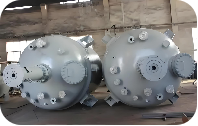

Hongxing Steel Chemical Pressure Vessel Steel Plate
Gansu JISCO Group Hongxing Iron and Steel Co., Ltd.
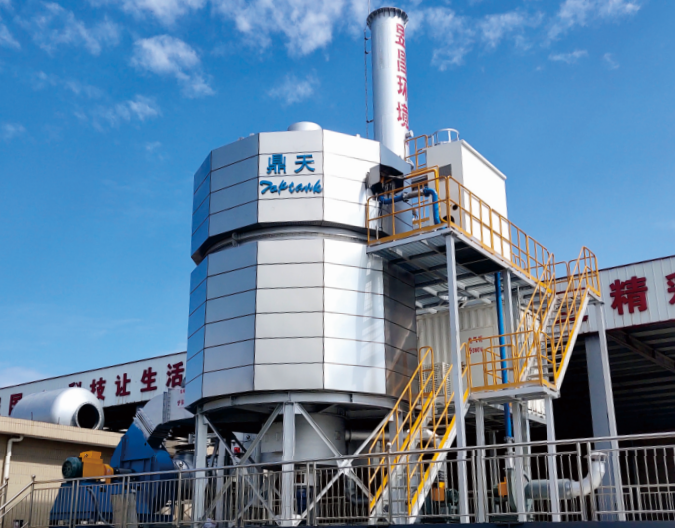

CAP1400 main feedwater flow nozzle flowmeter.
Jiangsu Hongda Instrument Technology Co., LTD.
Industrial and Commercial Point-Type Gas Detector
Jinan Benan Technology Development Co., Ltd.
PVC Impact-Modified Chlorinated Polyethylene
Gansu Jinchuan Hengxin Polymer Technology Co., Ltd.