en.Wedoany.com Reported - On July 12, CCTV's "Xinwen Lianbo" reported on recent original achievements in key areas of China's new materials industry. In Jinan, Shandong, a new generation of electronic-grade resin materials has achieved mass production, which can simultaneously improve the transmission efficiency of AI servers and reduce energy consumption by 40%.
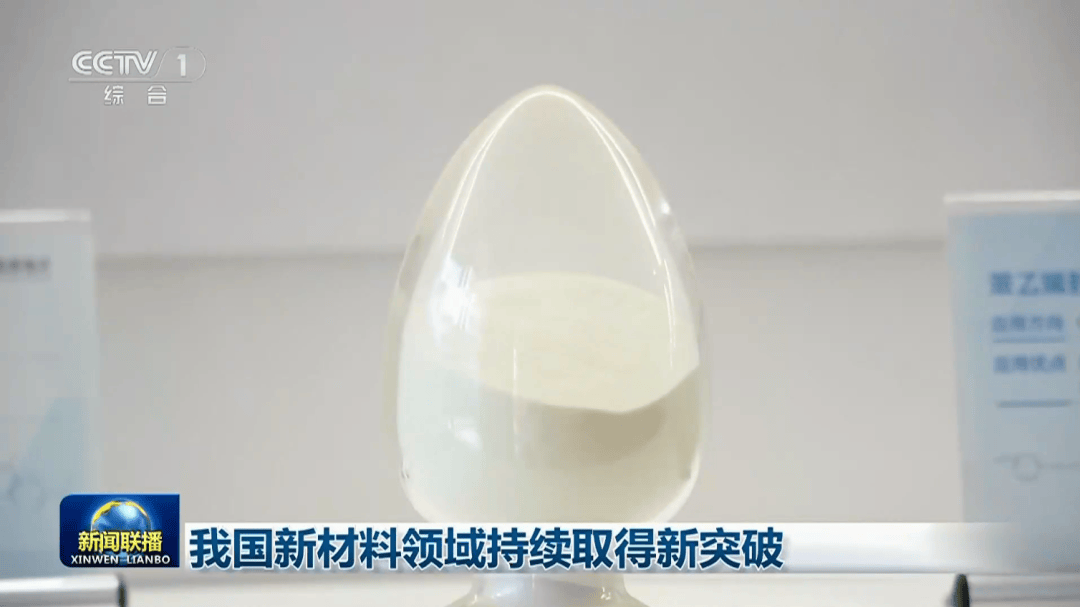
The company behind this mass production achievement is Shengquan Group, located in Zhangqiu, Jinan. As a leading enterprise in China's high-end electronic resin field, Shengquan Group has long been deeply involved in the research, development, and manufacturing of electronic-grade resins, independently building a product matrix covering high-frequency and high-speed PPO resins, specialty epoxy resins, and other series. Its related materials are suitable for scenarios such as high-speed copper-clad laminates for AI servers and chip packaging, aiming to break through overseas technical barriers and help China's computing power industry chain achieve self-control through new material innovation.
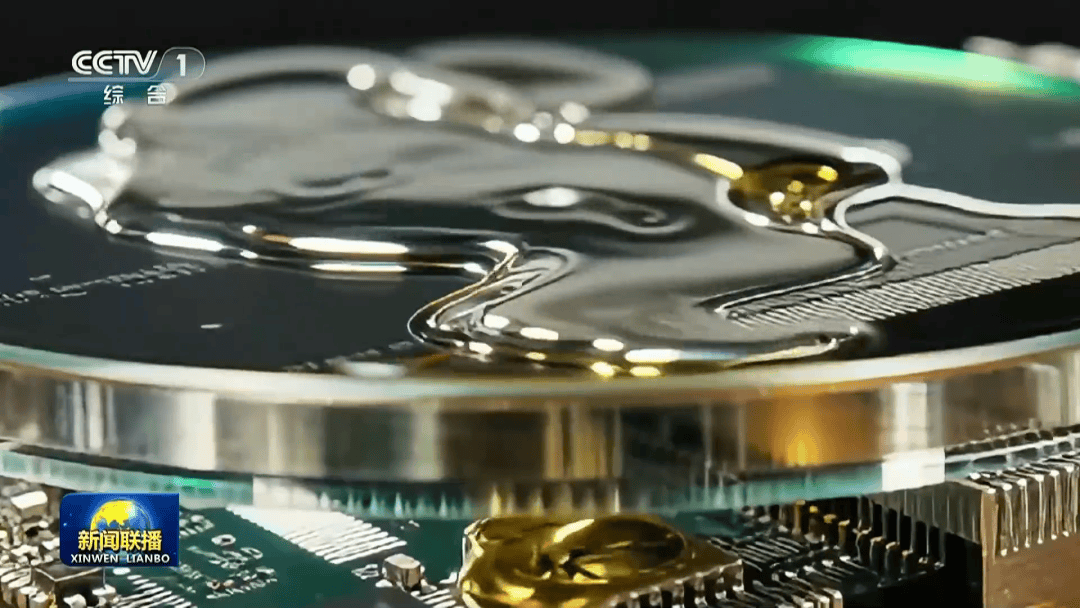
Shengquan Group has the capability to provide overall solutions for the full product series from M4 to M9, covering DCPD epoxy resins, active ester products, bismaleimide/polymaleimide resins, and PPO resins, as well as hydrocarbon resins with lower dielectric loss, and specialty-structured hydrocarbon materials such as ODV and SEBS. Shengquan Group is the only company in China capable of mass-producing electronic-grade PPO resin, holding approximately 70% of the Chinese market share. Its PPO resin has been certified by NVIDIA and can be supplied to leading copper-clad laminate manufacturers such as Shengyi Technology and Nanya New Materials. In 2025, Shengquan Group achieved revenue of 10.936 billion yuan, a year-on-year increase of 9.14%; net profit attributable to the parent company was 1.007 billion yuan, a year-on-year increase of 15.98%.
Currently, Shengquan Group has an annual production capacity of 100 tons for super hydrocarbon resin and 1,300 to 1,800 tons for polyphenylene ether (PPO). The company's capacity under construction includes a 2,000-ton/year PPO/OPE resin project and a 1,500-ton/year hydrocarbon resin project. At the same time, the company is advancing the construction of a dedicated production line for hydrocarbon resin, which is expected to be completed and put into operation gradually starting from the fourth quarter of 2026.
On July 13, Shengquan Group disclosed during an investor survey that it has built a 600-ton/year hydrocarbon resin production line and supports conventional hydrocarbon resin production through flexible production lines. In the future, it plans to implement a 1,000-ton/year expansion project for high-end hydrocarbon resin. Its ODV product, an M8/M9-grade ultra-low-loss hydrocarbon resin, has passed performance certifications from multiple leading domestic and international copper-clad laminate manufacturers and has achieved stable batch shipments. BCB benzocyclobutene resin is currently in the small-batch supply stage. Due to differences in performance and grade, the price gap between different specifications of hydrocarbon resin is significant.
Additionally, Shengquan Group focuses on the research, development, and production of key resin materials for photoresists. Among these, phenolic resin for i-line/g-line photoresists has achieved mass production and is stably supplied to major downstream customers. The company continues to promote generational upgrades of photoresist resins, with products that have been developed or are in the customer verification stage including acrylic resin and PHS resin for KrF photoresists. Currently, these new products are in the market introduction phase, with overall revenue scale being relatively small.
Recently, Shengquan Group announced a proposed project to build an electronic-grade specialty epoxy resin and monomer project for chip packaging. Upon completion, the project is expected to produce 11,000 tons of electronic-grade specialty epoxy resin for chip packaging and 7,950 tons of supporting monomers annually.