Sherwin-Williams Launches Heat-Flex AEB, a Corrosion-Resistant Coating Withstanding 177°C
en.Wedoany.com Reported - Sherwin-Williams has launched a thermal insulating coating called Heat-Flex AEB (Advanced Energy Barrier), designed to replace traditional mineral-based insulation systems for preventing corrosion under insulation (CUI).
Neil Wilds, Global Product Director at Sherwin-Williams Protective & Marine, stated that the prerequisite for corrosion under insulation is the presence of insulation itself. When insulation is removed from assets and replaced with a thermal insulating coating, the physical system that causes corrosion is eliminated, thereby eradicating the risk of CUI at its source.
This coating is specifically designed to replace traditional mineral-based insulation layers used to retain heat on storage tanks, process vessels, and pipelines, and is claimed to offer multiple sustainability advantages. By eliminating CUI, Heat-Flex AEB helps extend the service life of steel assets while reducing the environmental costs associated with production and maintenance processes.
The coating is also expected to eliminate the need for manufacturing, transporting, and storing materials required for traditional insulation systems, including mineral wool insulation, fastening wires, pins, straps, and metal cladding.
Corrosion under insulation typically occurs when moisture penetrates traditional insulation systems and becomes trapped against the metal surface, creating a hidden corrosive environment. Heat-Flex AEB replaces traditional insulation with a thick-film insulating coating that can maintain operating temperatures up to 177°C (350°F) and withstand transient temperatures of 204°C (400°F).
Unlike traditional insulation systems, which may suffer reduced thermal efficiency due to moisture ingress, Heat-Flex AEB maintains consistent thermal performance, thereby sustaining required operating temperatures without increasing process heat and energy consumption. Wilds noted that developing this product required ensuring the coating could retain process heat at sufficiently high temperatures to replace traditional insulation, while not affecting the consistency and flowability of materials inside the asset. This capability was achieved through precise control of the coating's molecules and product formulation, which is significant for reducing costs, improving carbon footprint, and enhancing efficiency across various facility applications.
Applying Heat-Flex AEB is faster and safer compared to installing traditional insulation systems. Applicators do not need to work near hot assets during application; the coating is a one-component (1K) product applied via spraying and can be applied to assets operating at temperatures up to 148°C (300°F). This differs from traditional insulation installation methods, reducing the risk of burns, minimizing disruptions, and allowing new assets to be coated in pre-assembly yards rather than on-site.
The launch of Heat-Flex AEB comes at a time when operators in the marine and industrial sectors are seeking to extend asset life, improve efficiency, and reduce maintenance needs.
Related Products
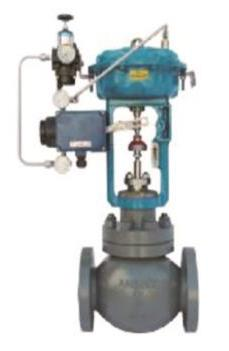

Quick-Change Single-Seat Control Valve / Quick-Change High-Pressure Single-Seat Control Valve
Beijing Consen Automation Technology Co., Ltd.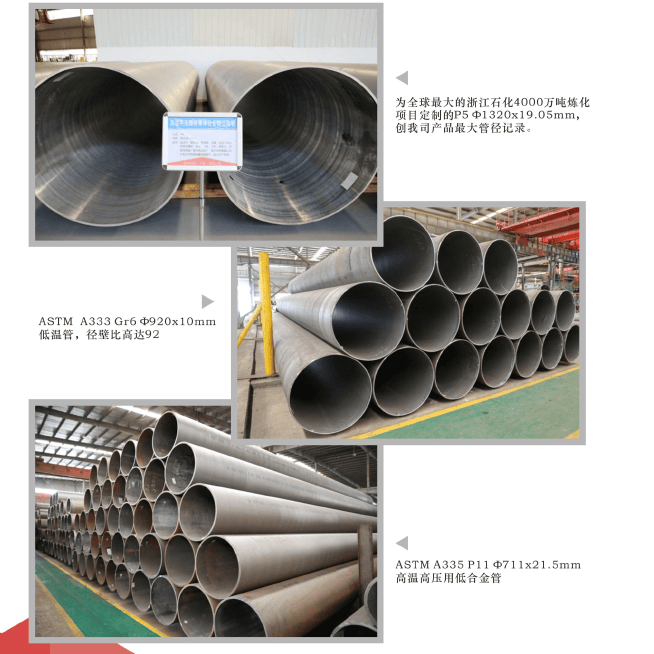
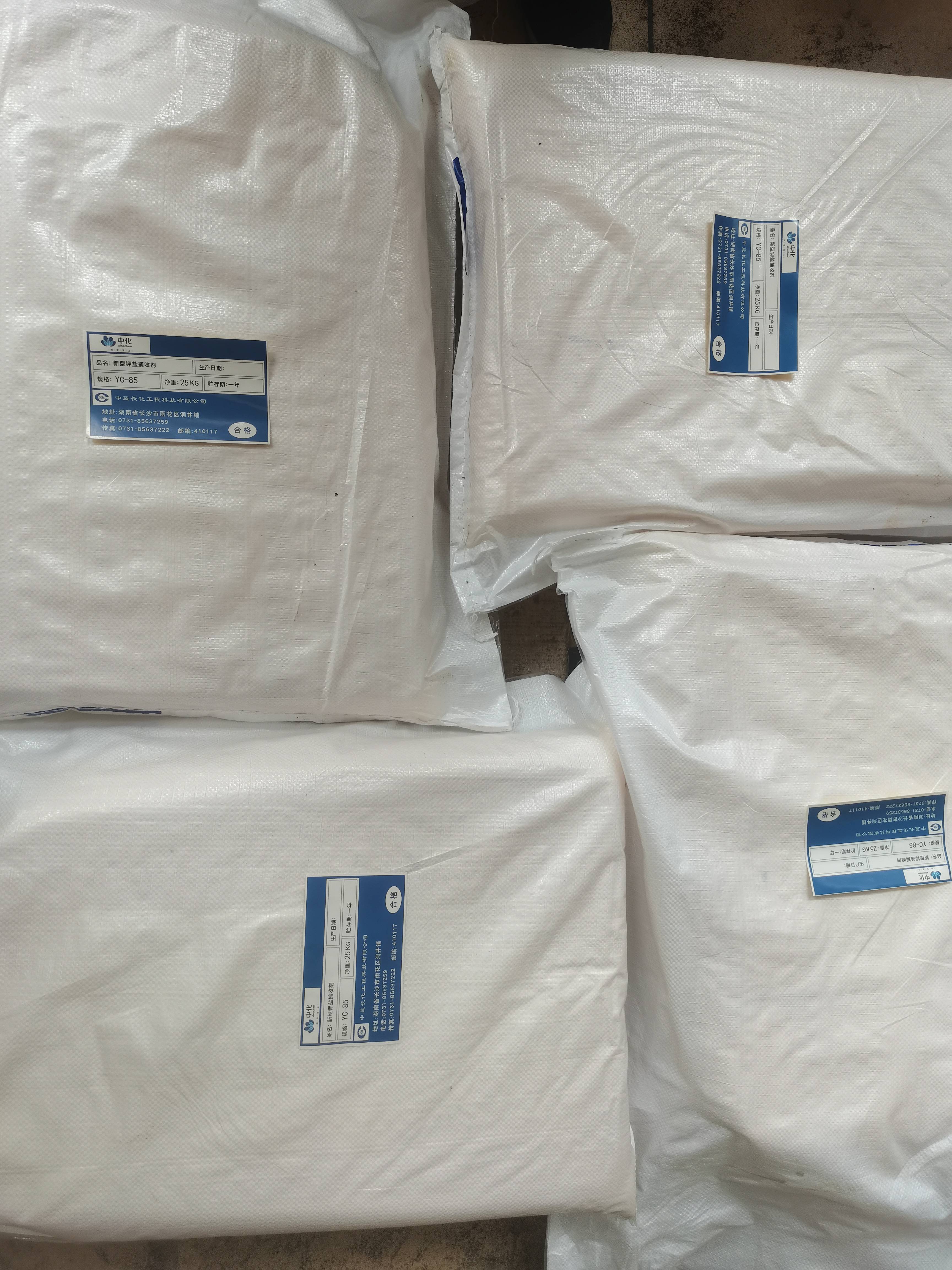
New Environmentally Friendly Green Potassium Salt Collector
Chonfar Engineering and Technology Co., Ltd.
Steel Plates for Chemical Pressure Equipment
Gansu JISCO Group Hongxing Iron and Steel Co., Ltd.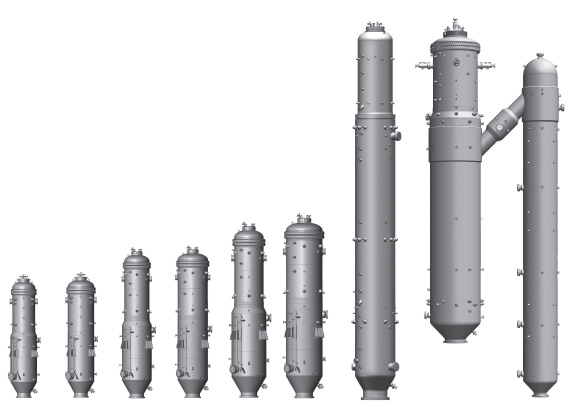
Gasification Furnace Series: Freely Combinable Aerospace Furnace
CHANGZHENG ENGLINEERING CO., LTD.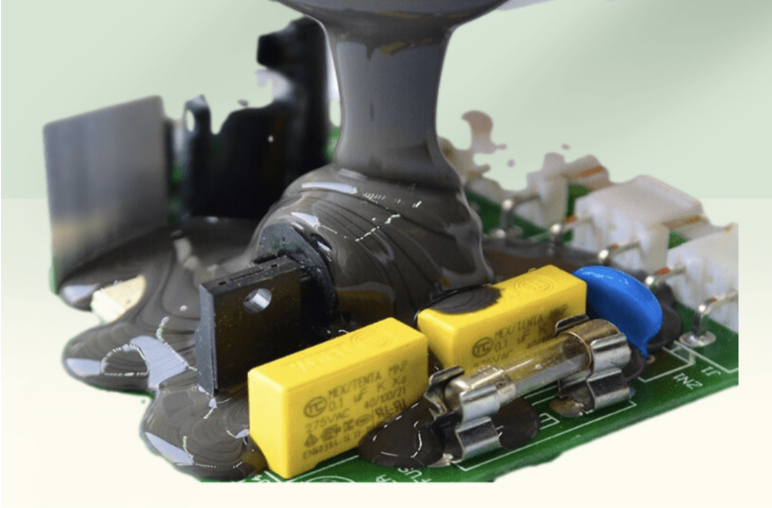
High Thermal Conductivity Encapsulating Resin
Nantong BESALL Sealing Technology Company.,Limited

Industrial and Commercial Point-Type Gas Detector
Jinan Benan Technology Development Co., Ltd.