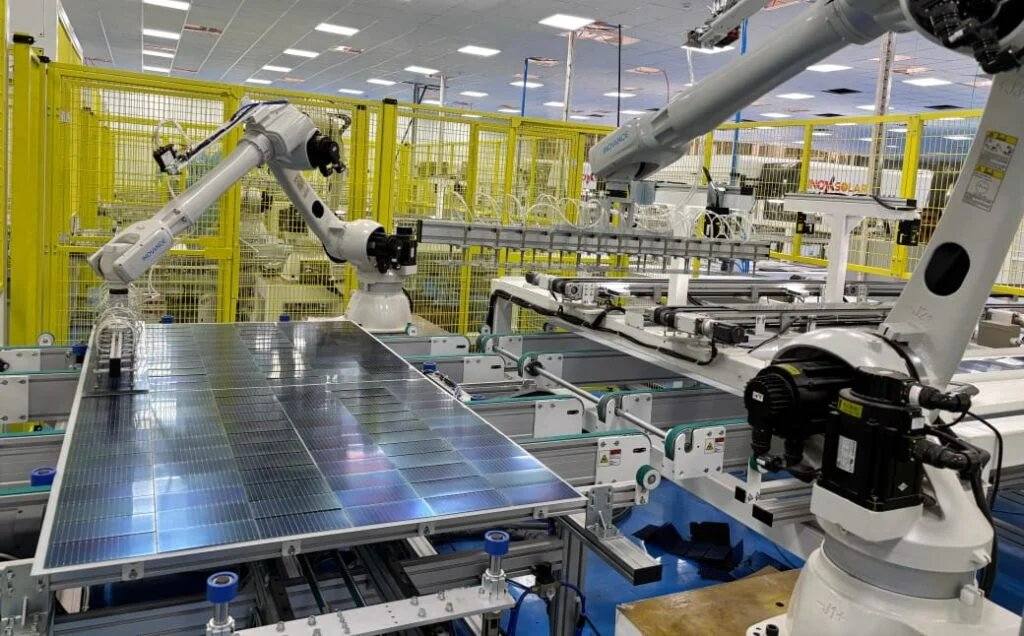
Chile's Copec Acquires 87-MWp Solar Farm from CCE
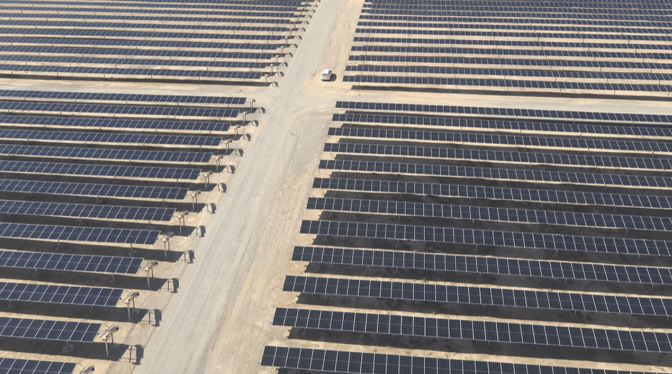
en.Wedoany.com Reported - Chile's Copec has reached an agreement with Austrian developer Clean Capital Energy (CCE) to acquire its La Huella solar farm in Chile. The photovoltaic power plant has an installed capacity of 87 megawatts peak (MWp), has been operational since 2021, and is located near La Higuera in the Coquimbo Region, generating approximately 200 gigawatt-hours (GWh) annually.
Copec plans to equip La Huella with a battery energy storage system, thereby shifting electricity output from peak solar generation hours to periods of higher demand and higher electricity prices. This transaction brings Copec's total installed solar capacity for utility-scale and distributed generation to 355 megawatts peak. Copec Flux will be responsible for the plant's operation, and Copec EMOAC will handle electricity marketing.
This acquisition indicates that Chile's large-scale battery market is transitioning from the "planning" phase to the "project bundling" phase, with solar plant owners viewing energy storage as a near-term upgradeable asset rather than an independent long-term bet. Commissioned solar assets—not limited to new projects—can become viable candidates for battery storage, shortening the development cycle for additional storage capacity. Energy storage can capture daytime solar value and sell it during evening peak demand hours, aligning with the growing need for flexibility driven by increased renewable energy penetration.
This deal may increase demand for grid-scale battery energy storage systems (BESS) in Coquimbo and neighboring areas, and boost investor confidence—regional constraints and interconnection realities can be overcome through practical retrofit strategies. The commercial viability of "solar-plus-storage" contract structures (such as fixed offtake, index pricing, or commercial price transfer strategies) is thereby strengthened, making the stacking of storage revenues more feasible for future pipeline projects in Chile. This project provides Chilean battery planners with a tangible reference asset, demonstrating how dispatch objectives, operational control, and revenue optimization work in practice when storage is added to an operational plant.
As Copec expands its utility-scale solar capacity, battery retrofits can be used to smooth generation profiles across sites, rather than relying solely on system balancing, supporting the industry trend toward portfolio flexibility. This case may encourage other developers and utilities to adopt retrofit strategies to meet grid and market demands more quickly, thereby accelerating the overall battery installation process in Chile. Meanwhile, more operational storage deployments will highlight gaps in flexibility valuation, potentially increasing pressure for supportive grid and market frameworks (such as ancillary services, capacity and availability payments, and clearer dispatch rules). This project may also influence procurement behavior in Chile's battery supply chain, as more confirmed retrofit projects typically translate into more stable contracting for equipment, engineering, and commissioning services.
Related Products
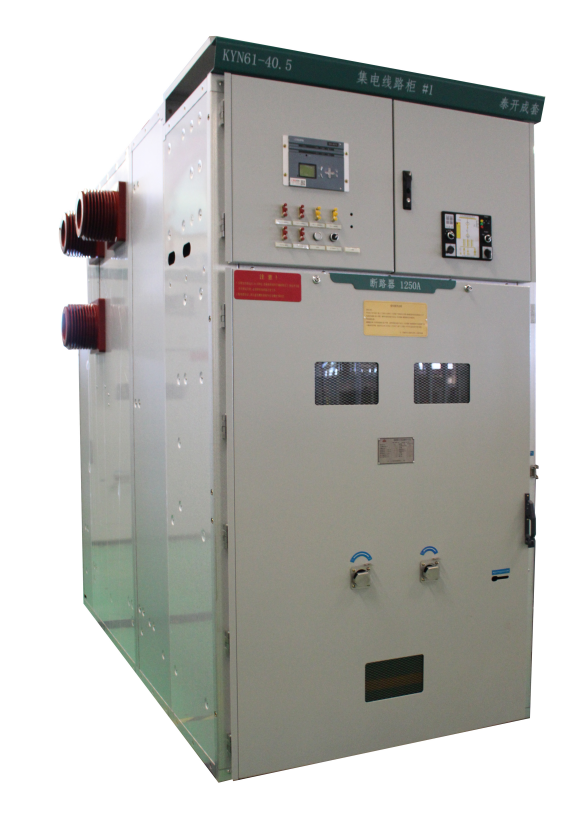

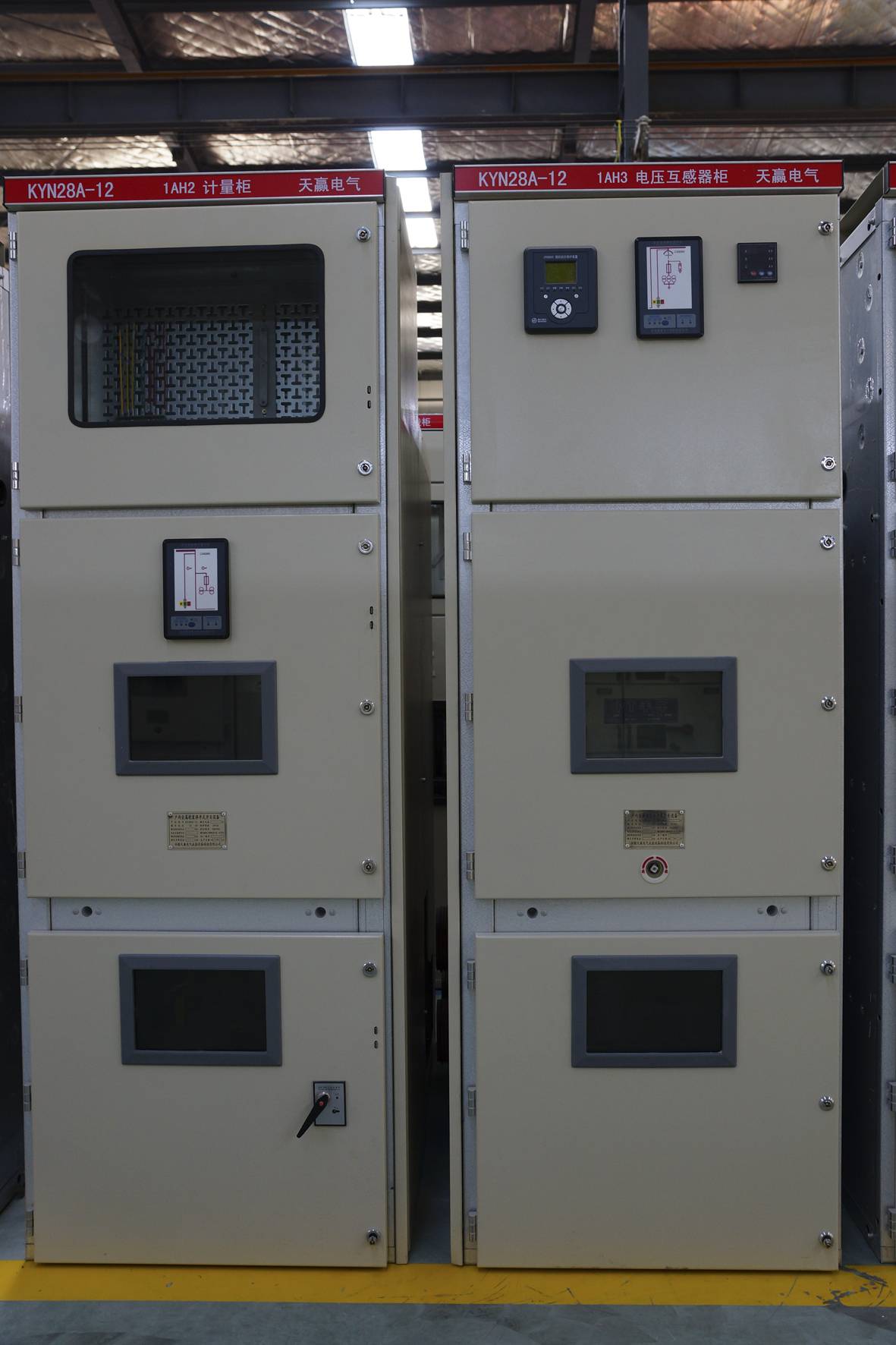
KYN28 - High Voltage Switchgear
Anhui Tianying Electrical Equipment Manufacturing Co., Ltd.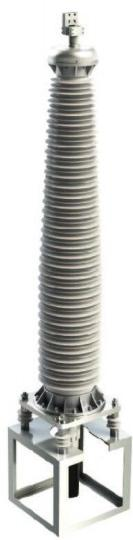
220kV Composite Outdoor Cable Terminal
Shenyang Guolian Cable Accessories Manufacture Co., Ltd.
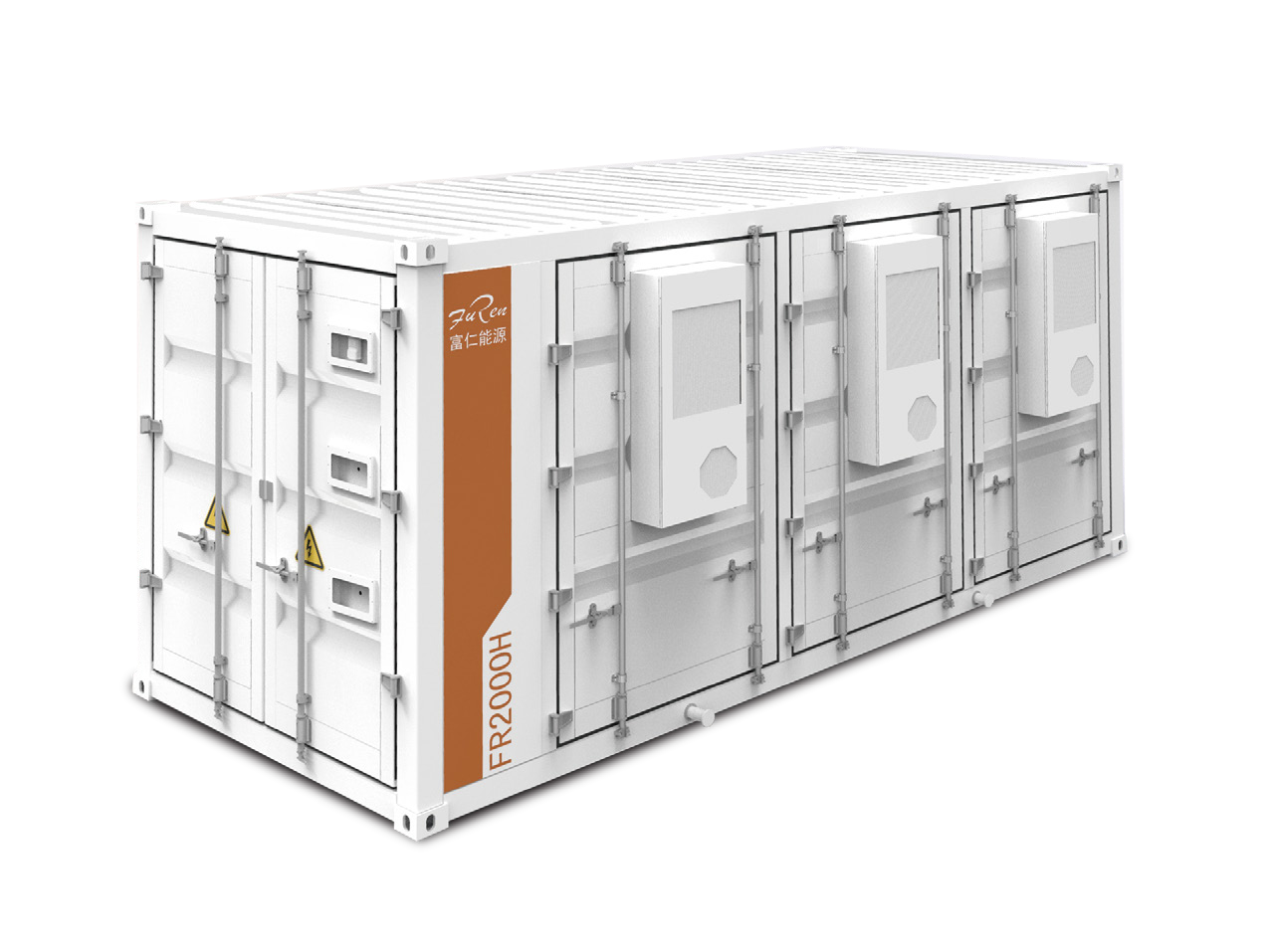
FR2000H 2.15MWh (Air-cooled) 20-foot Containerized Energy Storage System
Jiangyin Furen High-tech Co., Ltd.
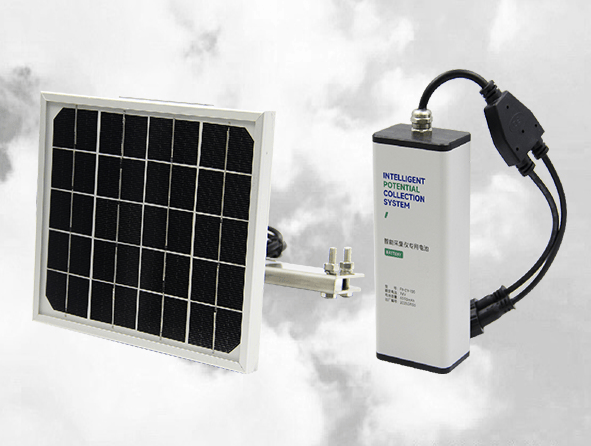
Inductive Power Harvesting Self-Powered Device - Safuneng
SELF ENERGY TECHNOLOGY (SHENZHEN) CO., LTD.