Belgium's Ecocem Completes First Industrial-Scale Trial of ACT Low-Carbon Cement
en.Wedoany.com Reported - Belgium's Ecocem has completed the first industrial-scale trial of its ACT low-carbon cement technology, conducted in the precast concrete sector, marking a key step toward the commercial application of this technology.
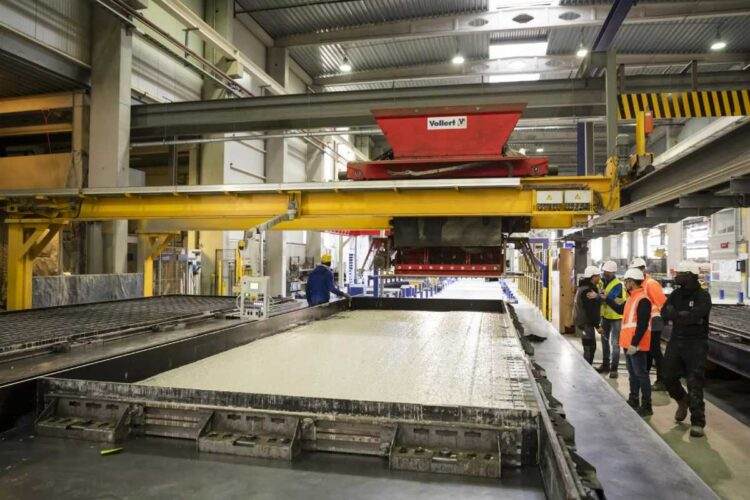
The trial was carried out by Ecocem in collaboration with Belgian precast concrete manufacturer C-concrete at the latter's production facility in Temse, Belgium. Ecocem stated that the trial demonstrated that ACT can be manufactured under normal production conditions while reducing embodied carbon emissions, without requiring changes to existing production processes. The success of this trial builds on previous demonstrations of ACT in ready-mix concrete applications, and the company is continuing to advance the commercial deployment of the technology.
Compared to traditional cement, ACT can reduce the carbon footprint of cement by up to 70% while maintaining performance. Jaouad Nadah, Head of ACT Implementation at Ecocem, said the successful trial proved that the technology can be integrated into existing production processes without disrupting operations. Nadah noted that ACT's performance at the plant scale was exactly the same as in the laboratory, with no surprises or production issues, once again demonstrating that deep carbon reduction does not require disrupting established production processes.
As part of the trial, C-concrete produced two full-size precast components: a 10-meter by 3-meter fire wall and an 8-meter by 3-meter insulated sandwich wall. Unlike ready-mix concrete, precast manufacturing relies on rapid strength development to enable daily demolding and maintain production efficiency. Ecocem stated that the trial confirmed that ACT meets these production requirements while maintaining the performance expected by precast manufacturers. The company noted that this marks the first successful industrial-scale production of ACT in a precast concrete environment.
Nikolas Schack, Quality Manager and Concrete Technology Expert at C-concrete, said the trial demonstrated that ACT can be used in industrial production while maintaining familiar manufacturing practices. ACT performed exactly like traditional cement in production, while significantly reducing the carbon footprint. For the production team, the manufacturing process remained largely unchanged, which is an important consideration for industrial applications.
Related Products


RISITA explosion-proof air conditioning
Guangdong RISITA Air Conditioning Equipment Co.,Ltd.
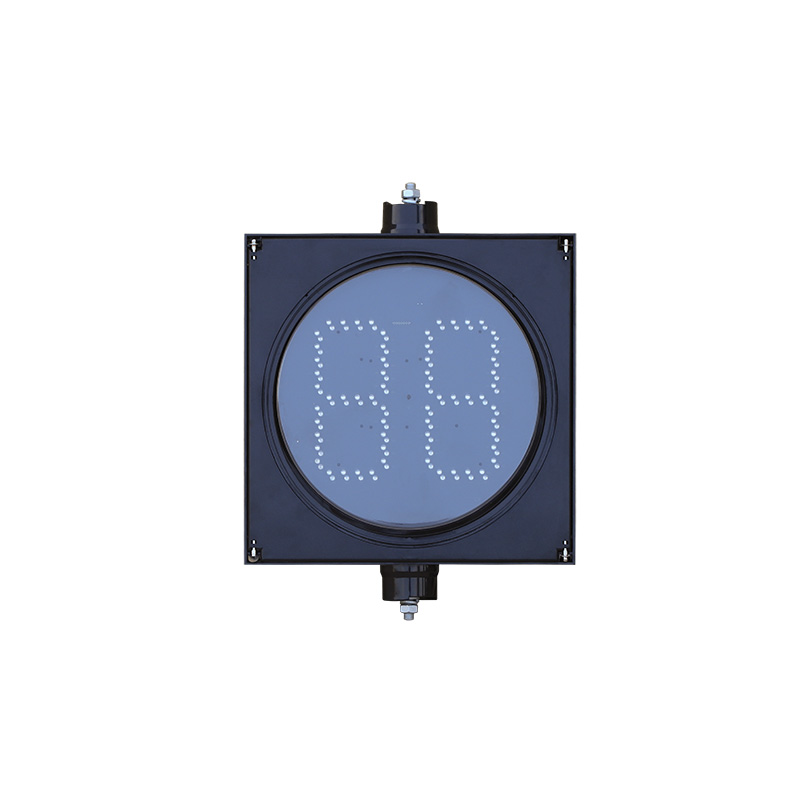
300mm Segment Type Countdown Traffic Light (Core Type)
Yangzhou FAMA Intelligent Equipment Co., Ltd.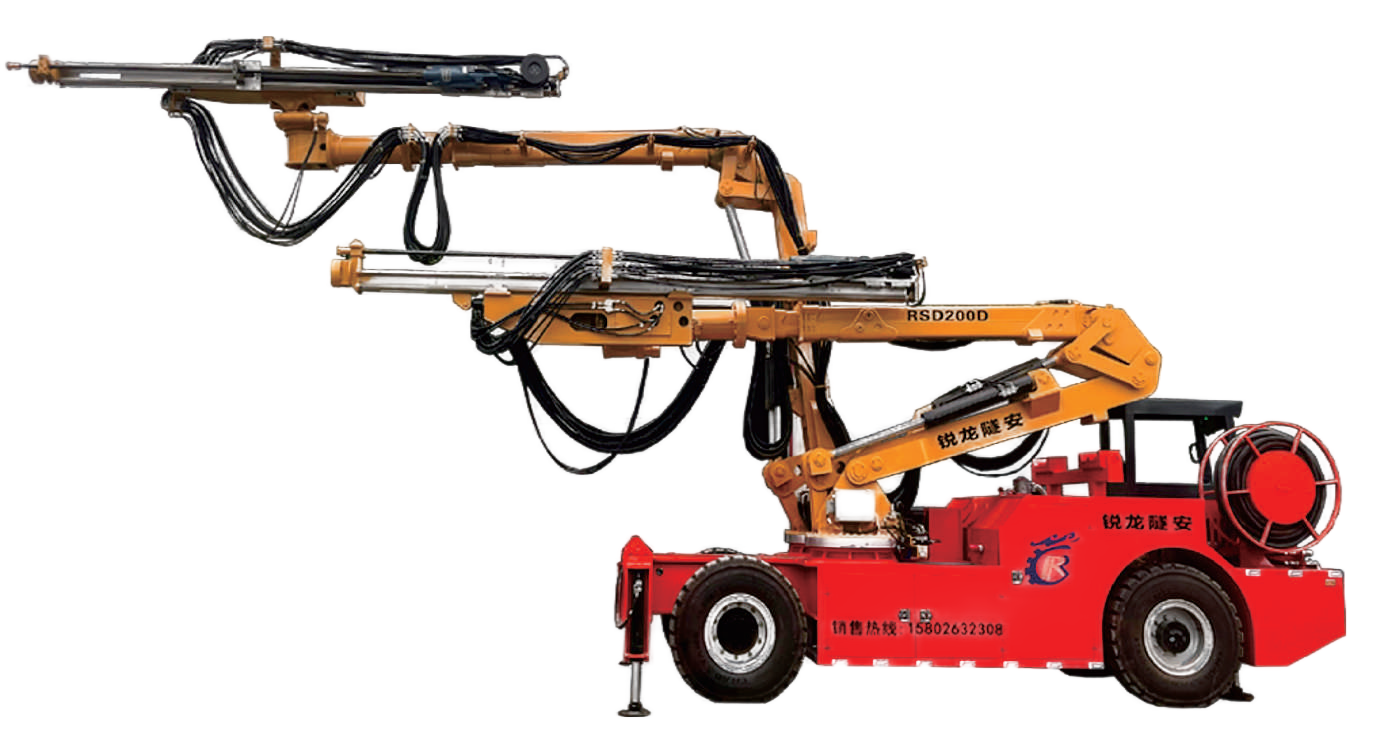
Dual-curved Arm Rock Drilling Trolley RSD200D
Chengdu Ruilong Machinery Manufacturing Co., Ltd.
Pure Polyurethane Wall Panel BD-AEF-PIR-01
Baodu International Engineering Technology Co., Ltd.
West China Xiamen Hospital of Sichuan University
Wuhan Huakang Century Clean Technology Co., Ltd.