en.Wedoany.com Reported - Apple has received approval from the Cyberspace Administration of China (CAC) to register its Apple Intelligence generative AI service, paving the way for deploying the feature on iPhones in mainland China. The company spent months negotiating with Beijing, pledging to comply with requirements to register AI models with Chinese authorities while relying on local partners. Baidu and Alibaba have been deeply integrated into the service, with Alibaba's Qwen model set to be incorporated into Apple Intelligence on iOS, iPadOS, macOS, and visionOS for Chinese users, covering text and image generation. Baidu also contributes to the service through its own AI model, though the extent of its involvement has not been disclosed.
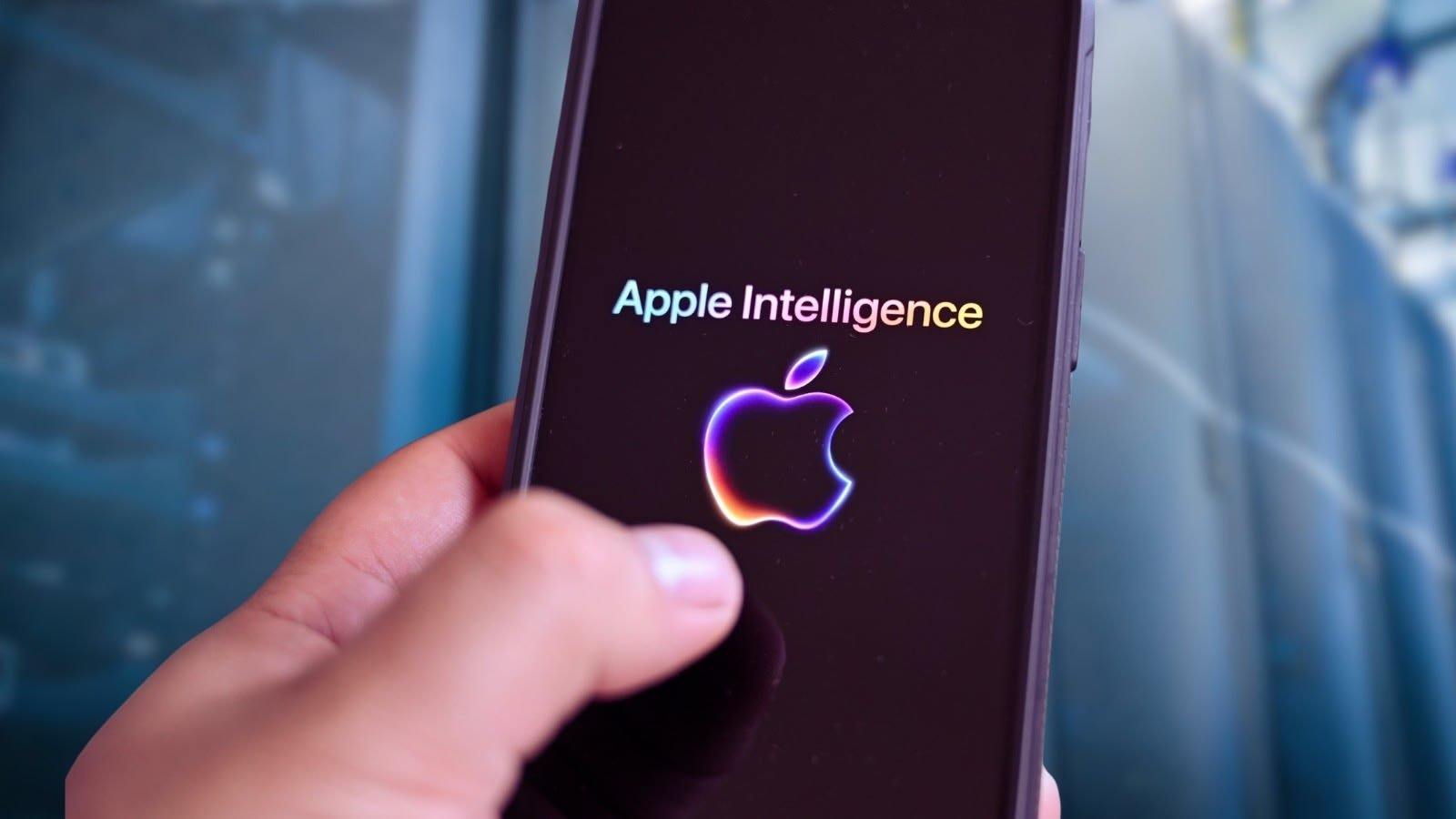
Although Apple has not announced a specific release date for Apple Intelligence in the Chinese market, regulatory approval typically precedes actual deployment by several months. In the second quarter, iPhone shipments in China grew 24.4% year-over-year, while the overall market contracted during the same period. The launch of Apple Intelligence is expected to solidify this recovery, provided Apple can quickly close the gap with domestic competitors that have long integrated AI features. While gaining approval in China, Apple is at odds with the European Commission in Europe over the deployment of Siri AI. European Commission spokesperson Thomas Regnier stated that the Digital Markets Act (DMA) does not prohibit Apple from introducing new products in the EU. Apple proposed a "Trusted System Agent" framework to allow competing assistants access to the same capabilities as Siri, but Brussels rejected the proposal, arguing that Apple was seeking an exemption from interoperability obligations rather than a compliant solution.
Against this backdrop, Apple has not publicly emphasized one point: In China, Apple stores iCloud data on servers operated by GCBD, a partner affiliated with state entities, and has moved encryption keys locally. This means Chinese user data is subject to local laws, and the possibility of government access is no longer protected by U.S. law after the server relocation. Apple has stated it opposed this requirement but deemed maintaining the service preferable to shutting it down. The breakthrough in China demonstrates that Apple has negotiating power when commercial interests are substantial enough. The European iPhone market is equally significant, but the power dynamic with Brussels differs in nature, as the European Commission demands systemic openness rather than mere registration. The key uncertainty is whether both sides can find a compromise before autumn 2027, or whether European iOS users will once again miss out on a full cycle. At this pace, the number of Apple Intelligence users from Baidu and Alibaba could surpass the total across Europe.