Kioxia's New Factory in Japan to Start Production in September, Targeting AI Demand to Drive NAND Flash Memory
en.Wedoany.com Reported - Kioxia's new factory in Kitakami, Iwate Prefecture, Japan, is scheduled to start production in September, as the NAND flash memory chipmaker aims to leverage artificial intelligence demand to fuel business growth. The company's stock price has surged approximately sevenfold this year, briefly surpassing Toyota Motor in June to become Japan's most valuable company by market capitalization. Other Asian tech supply chain companies are also enjoying a moment in the spotlight, with South Korea's SK Hynix listing on Wall Street last week after completing one of the largest global stock offerings in history.
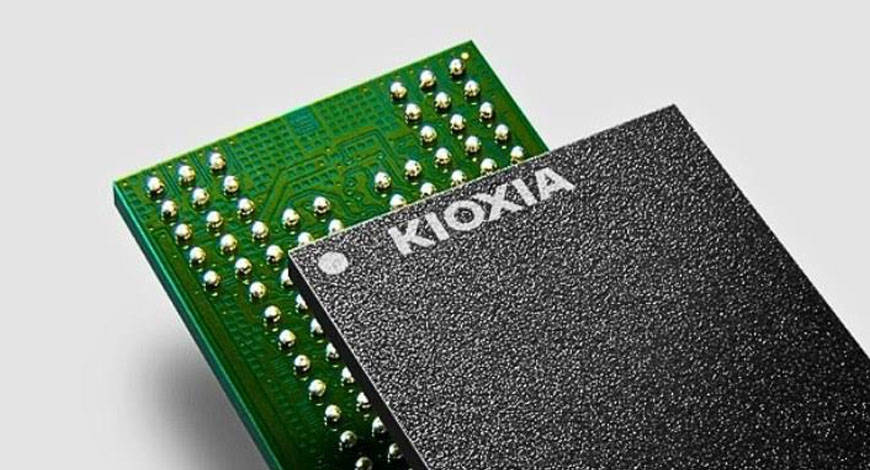
The global race to build data centers to support AI applications has significantly boosted chipmakers' performance, with components like storage products seeing price increases due to shortages. Kioxia CEO Hiroo Ota stated that the use of AI is expanding rapidly, and the company has high expectations for continued growth in the flash memory market. The company's NAND flash memory chips are becoming increasingly popular as tools like AI agents drive demand for storage space.
Counterpoint Research analyst MS Hwang believes that Kioxia's stock surge represents a valuation normalization for a previously overlooked industry, but maintaining a competitive edge over rivals remains a major challenge, especially in the face of competition from China's Yangtze Memory Technologies. Additionally, concerns over overvaluation and questions about when AI spending will yield returns are heightening the risk of a bubble.
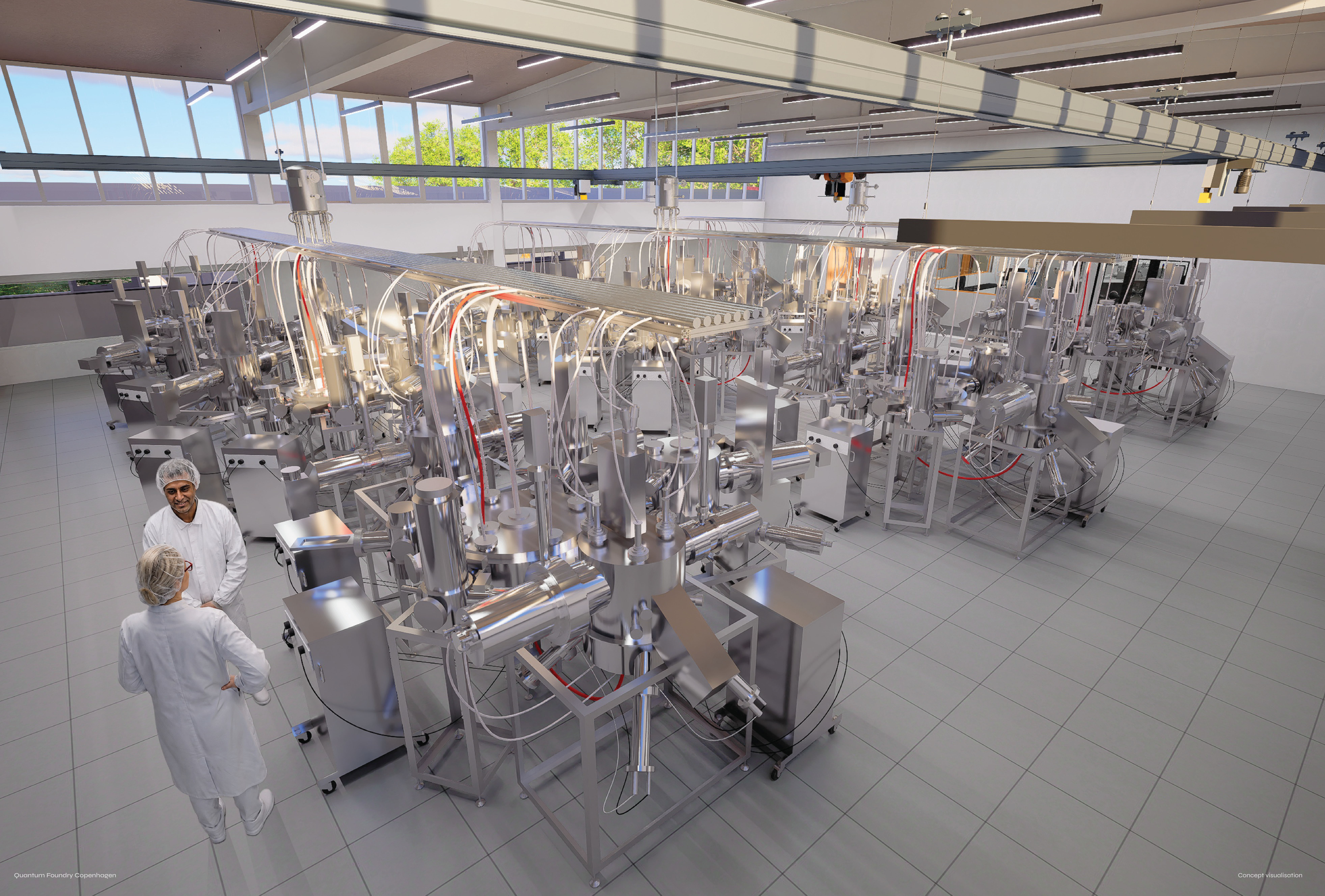
The new factory is Kioxia's second facility in the green suburbs of Kitakami, an area already home to several large plants. Agence France-Presse (AFP) was granted access to a cleanroom, where rows of large chip etching machines are arranged under strictly controlled conditions to prevent dust contamination. Local recruiter Noriyuki Takahashi noted that thanks to Kioxia, work has been busy recently, and the business climate feels like it is improving. However, bar owner Hana pointed out that the semiconductor industry is volatile, and locals are concerned about how long the good times will last.
Japan's share of the global semiconductor market has fallen to less than 10%, down from about 50% at its peak in the 1980s. The Japanese government aims to increase domestic chip revenue eightfold by 2040 compared to 2020 levels. Japan is building a top-tier technology chip hub in Hokkaido, while Taiwanese chipmaker TSMC operates a factory in Kyushu. Kioxia, formerly known as Toshiba Memory, was created when the then-struggling Toshiba Group sold its pioneering memory chip business in 2018. The company plans to list in the United States and forecasts an operating profit of 1.3 trillion yen (approximately $80 billion) for the April-to-June period, a sharp jump from 45 billion yen in the same period last year. Hana noted that some workers claim to have received absurdly high bonuses in the region, but the local community is watching with unease how many years the demand will last.
Related Products

TWP16 P-Band Tropospheric Wind Profile Radar
China Huayun Meteorological Technology Group Co., Ltd.

Comprehensive Mining Automation Control System
Beijing Tianma Intelligent Control Technology Co., Ltd.
Conveyor Belt Intelligent Monitoring System
LUO YANG WIRE ROPE INSPECTION TECHNOLOGY CO., LTD.

Industrial and Commercial Point-Type Gas Detector
Jinan Benan Technology Development Co., Ltd.