Qingdao Institute of Bioenergy and Bioprocess Technology, Chinese Academy of Sciences Develops All-Solid-State Battery Alloy Anode Capable of Full Charge/Discharge in 72 Seconds
en.Wedoany.com Reported - The research team led by Wu Jianfei at the Qingdao Institute of Bioenergy and Bioprocess Technology, Chinese Academy of Sciences, has proposed and systematically validated the design concept of an electron-ion synergistic conductive network, providing a new material design paradigm to overcome the ultra-fast charging bottleneck of all-solid-state batteries.
Sulfide all-solid-state batteries, with their high energy density and excellent safety, are regarded as a key development direction for next-generation power batteries and a strategic high ground in global new energy technology competition. During high-rate charge/discharge processes, issues such as slow electron transport in the anode, limited lithium-ion diffusion, continuous degradation of solid-solid interfaces, and dendrite growth are coupled, severely restricting the rate performance and cycle life of all-solid-state batteries, making this a critical scientific bottleneck in the field.
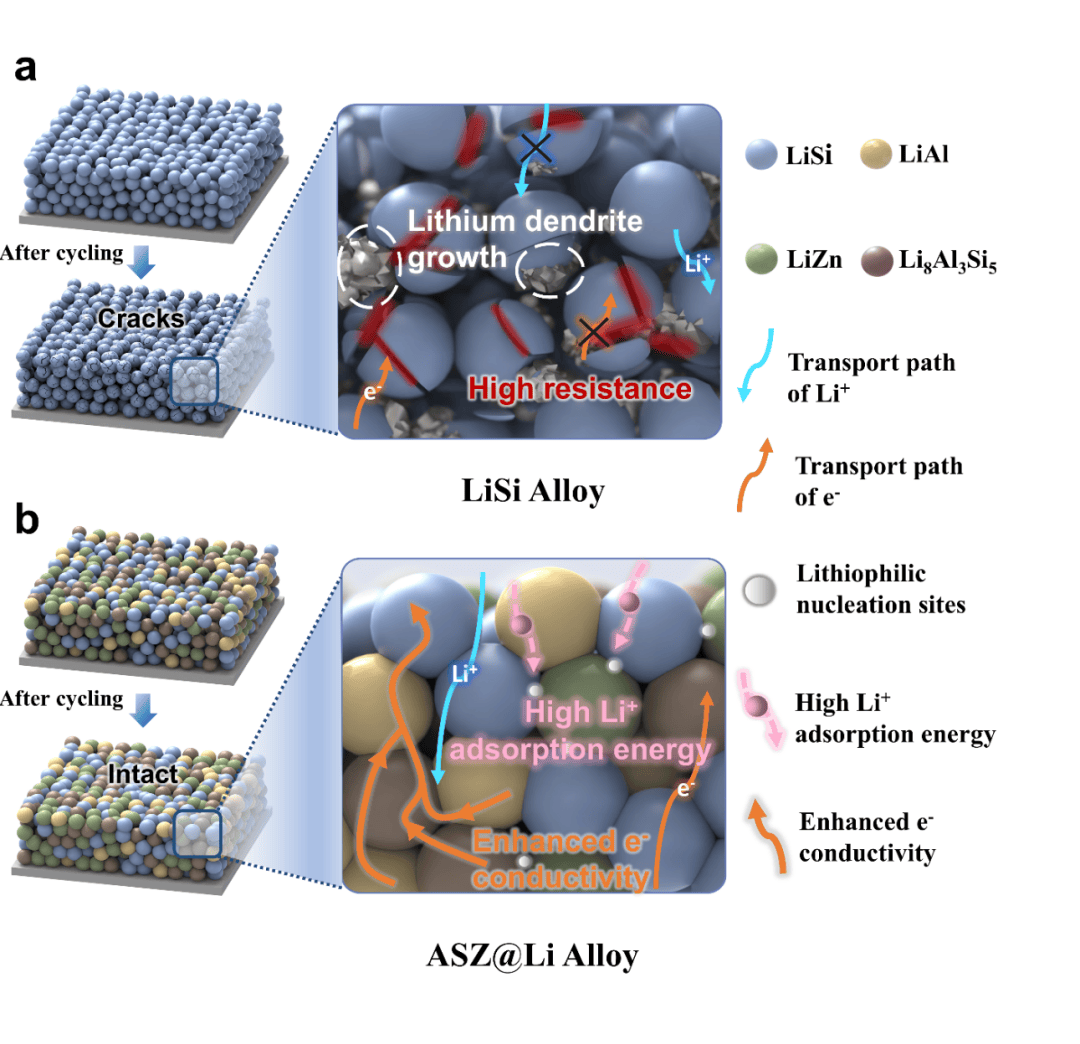
To address this challenge, the research team at the Qingdao Institute of Bioenergy and Bioprocess Technology proposed a design strategy for an electron-ion synergistic conductive network (EICN) and developed a novel Li–Al–Si–Zn (ASZ@Li) quaternary alloy anode. This alloy anode consists of multiple phases including lithium-aluminum, lithium-zinc, and lithium-silicon. Among these, the lithium-aluminum phase constructs continuous electron transport pathways; the lithium-zinc phase exhibits strong lithiophilicity, serving as a fast and uniform lithium-ion transport channel; and the silicon-rich region is responsible for reversibly storing lithium and buffering volume changes. The synergy of these three phases achieves the unification of electronic conductivity, ion transport, and structural stability. Additionally, this alloy anode demonstrates excellent chemical and electrochemical stability against sulfide electrolytes, eliminating the need for an additional artificial solid electrolyte interphase protective layer, thereby simplifying the interface design and manufacturing process of all-solid-state batteries.
Benefiting from the EICN structural design, when paired with a Ni90 high-nickel cathode, the all-solid-state battery with the ASZ@Li alloy anode exhibits high rate performance at 55°C, completing a full charge/discharge cycle in just 72 seconds, while maintaining high capacity after thousands of cycles, demonstrating potential for practical application.
Through further research, the scientific team clarified the deep working mechanism of the electron-ion synergistic conductive network. The study found that the introduction of aluminum effectively enhances the electronic conductivity of the material, while zinc improves lithiophilicity and reduces the lithium-ion migration barrier, together enabling the synergistic and rapid transport of electrons and lithium ions.
Wu Jianfei, a researcher at the Qingdao Institute of Bioenergy and Bioprocess Technology, explained that this design fundamentally reduces interfacial impedance, suppresses the decomposition of sulfide electrolytes, and maintains a stable interface structure, thereby enhancing the cycling stability of all-solid-state batteries under high-rate conditions.
Related Products
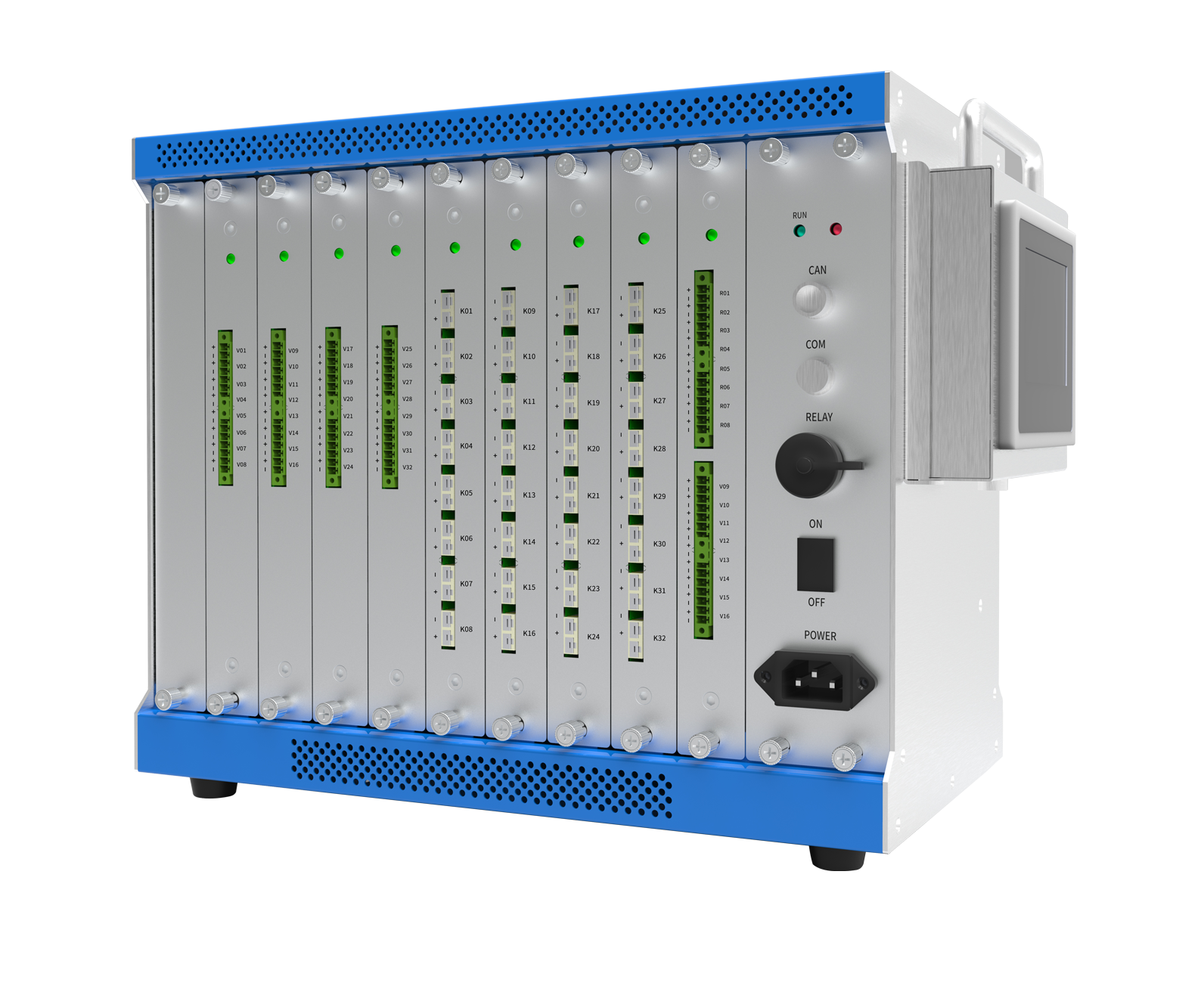

Optional Accessory - Auxiliary Sampling Module
Beijing Soaring Electric Technology Co., Ltd.
220kV Composite Outdoor Cable Terminal
Shenyang Guolian Cable Accessories Manufacture Co., Ltd.
VEG-12/24/40.5 Series Vacuum Circuit Breaker
SHANGHAI PINGGAO TIANLING SWITCHGEAR CO., LTD.
Floating Boat Water Quality Automatic Monitoring System
Hebei Sailhero Environmental Protection High-tech Co., Ltd.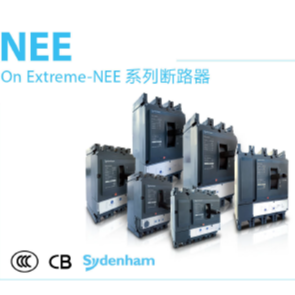
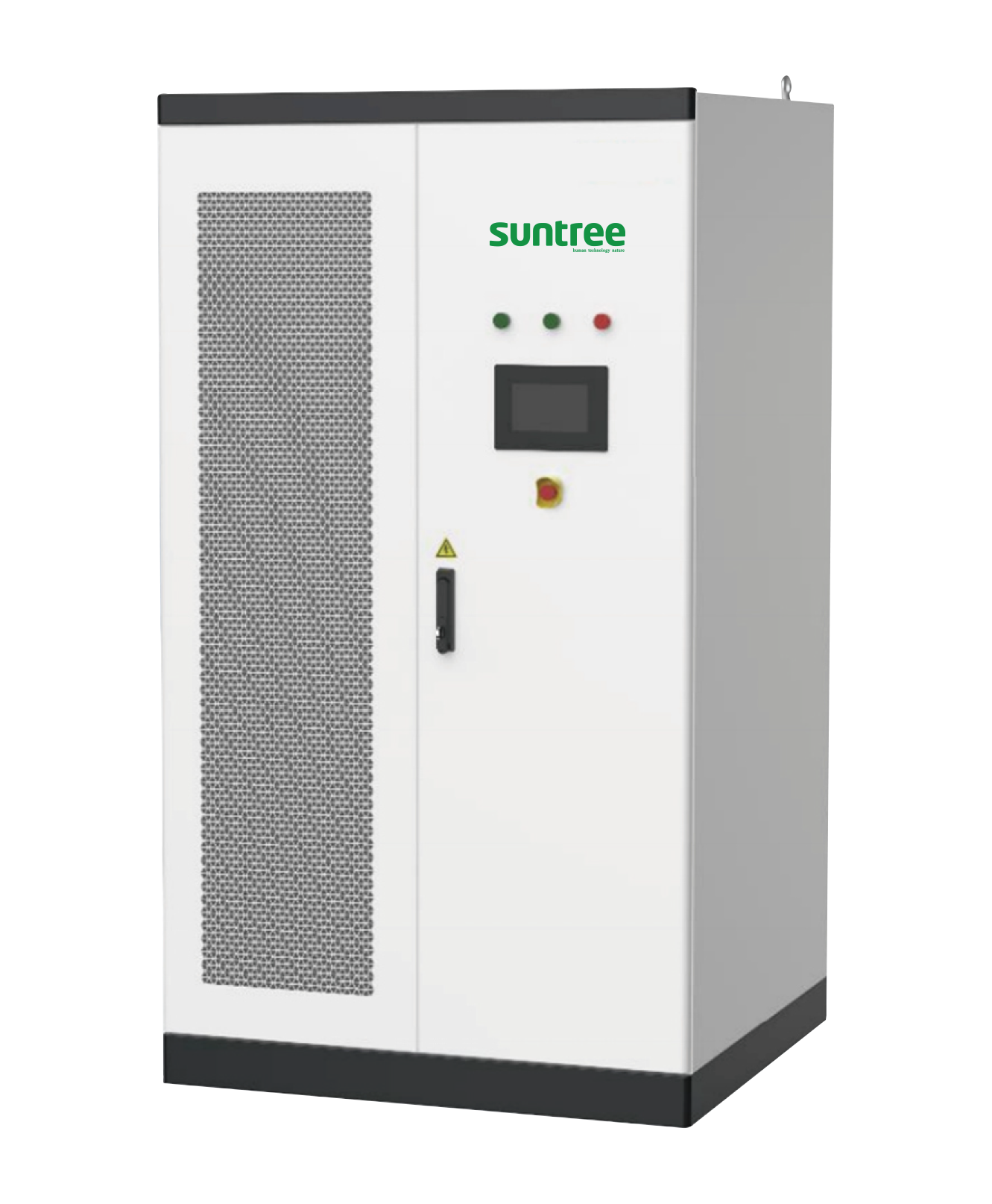

G.652.D Wavelength-extended Non-dispersion Shifted Single-mode Optical Fiber
HONGAN GROUP CO., LTD.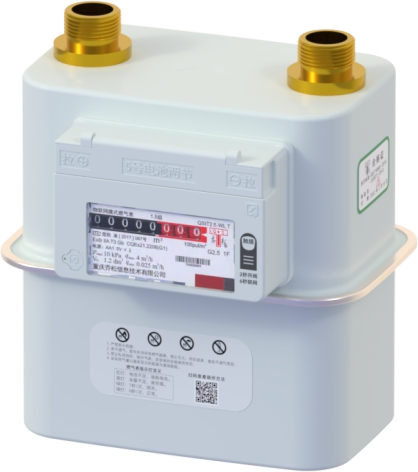
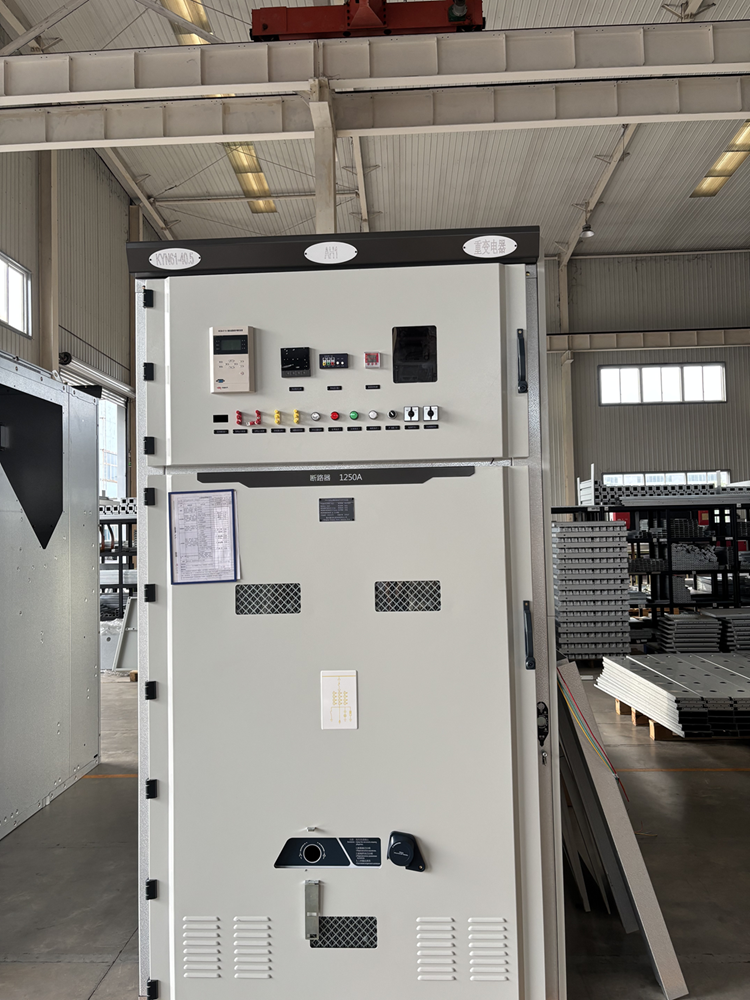
KYN61-40.5 Indoor AC Metal-clad Removable Switchgear
Chongqing Transformer Co., Ltd.
Inductive Power Harvesting Self-Powered Device - Safuneng
SELF ENERGY TECHNOLOGY (SHENZHEN) CO., LTD.