The next-generation Cadillac Optiq will adopt SAIC's Xiaoyao platform in China
en.Wedoany.com Reported - The next-generation Cadillac Optiq (Ao Ge) will abandon General Motors' Ultium electric vehicle architecture developed in the U.S., opting instead for the Xiaoyao platform developed by SAIC-GM's Pan Asia Technical Automotive Center in Shanghai. Affected by U.S. export restrictions on Chinese hardware and software, vehicles built on this Chinese platform are unlikely to enter the U.S. market.
General Motors has two long-standing joint ventures in China: SAIC-GM, in partnership with SAIC Motor, and SAIC-GM-Wuling, in partnership with SAIC Motor and Wuling. The Xiaoyao platform, which the reported next-generation Optiq will adopt, has already been applied to multiple models such as the Buick Zhijing L7 and E7. This platform supports a 900V high-voltage architecture, offering significant advantages over the original Ultium platform.
The Ultium platform, developed by the U.S. team, has not performed well in the Chinese market, with sluggish sales for the Buick Zhijing E5 and E4 models based on it. GM's response is to develop a China-specific platform tailored to the local market to compete with rapidly emerging domestic new energy vehicle manufacturers. When SAIC-GM launched the Xiaoyao platform last year, it positioned it as a true software-defined vehicle platform, emphasizing its strong scalability. The Xiaoyao platform supports pure electric, plug-in hybrid, and range-extended electric vehicles, is adaptable to almost all body types including MPVs, sedans, and SUVs, and is compatible with front-wheel drive, rear-wheel drive, and all-wheel drive layouts. Advanced cockpits, energy efficiency, and high-speed charging are also key focuses of this platform.
General Motors is not the only Western automaker leveraging Chinese technology to develop electric vehicles for overseas markets. Renault's latest-generation Twingo E-Tech was also developed by its Shanghai R&D center, while Audi and Hyundai similarly plan to make China a key R&D hub for the next phase. Western automakers' increasing reliance on advanced Chinese technology has become a new trend in the global electric vehicle market. To remain competitive globally, automakers are increasingly tapping into China's local R&D capabilities.
Related Products


Industrial and Commercial Point-Type Gas Detector
Jinan Benan Technology Development Co., Ltd.
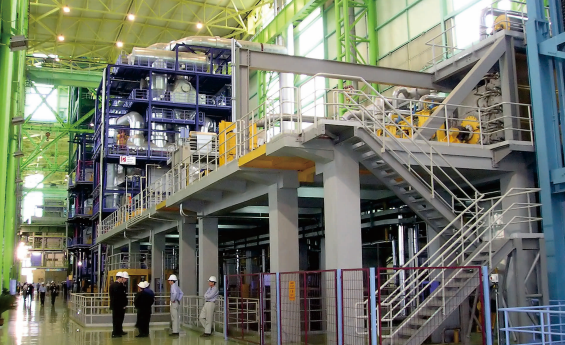
Strip Coating and Plating Production Line Equipment
MCC-SFRE HEAVY INDUSTRY EQUIPMENT CO., LTD.
CAP1400 main feedwater flow nozzle flowmeter.
Jiangsu Hongda Instrument Technology Co., LTD.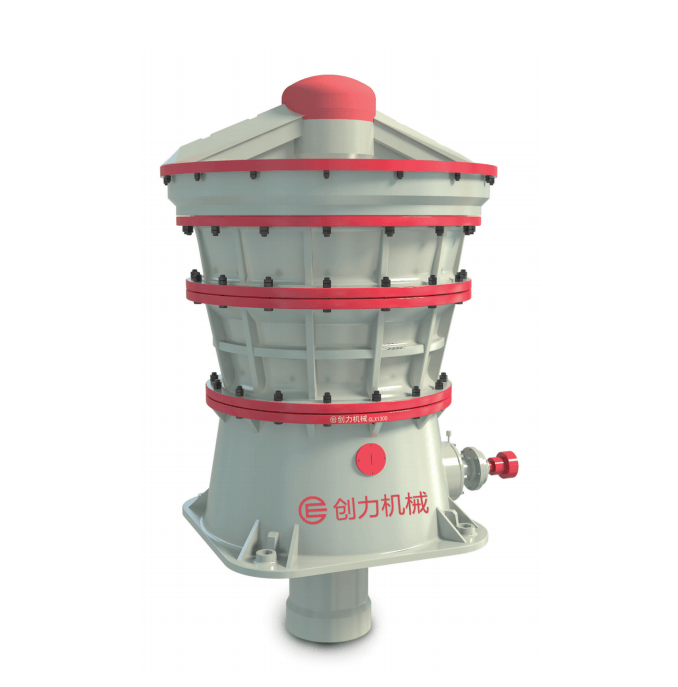
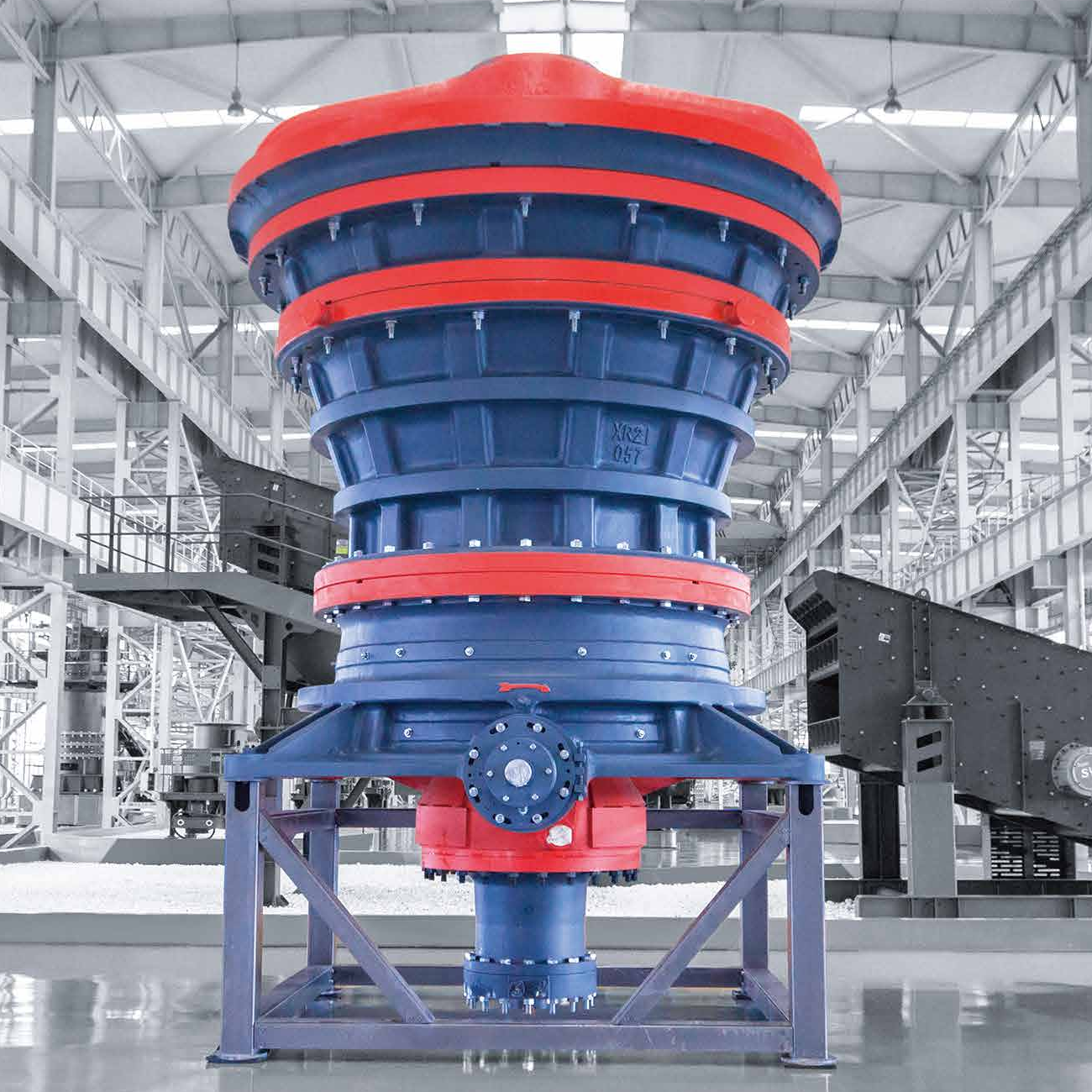
CLX Series Intelligent Hydraulic Gyratory Crusher
Guangdong CHUANGLI intelligent machinery Equipment Co., LTD
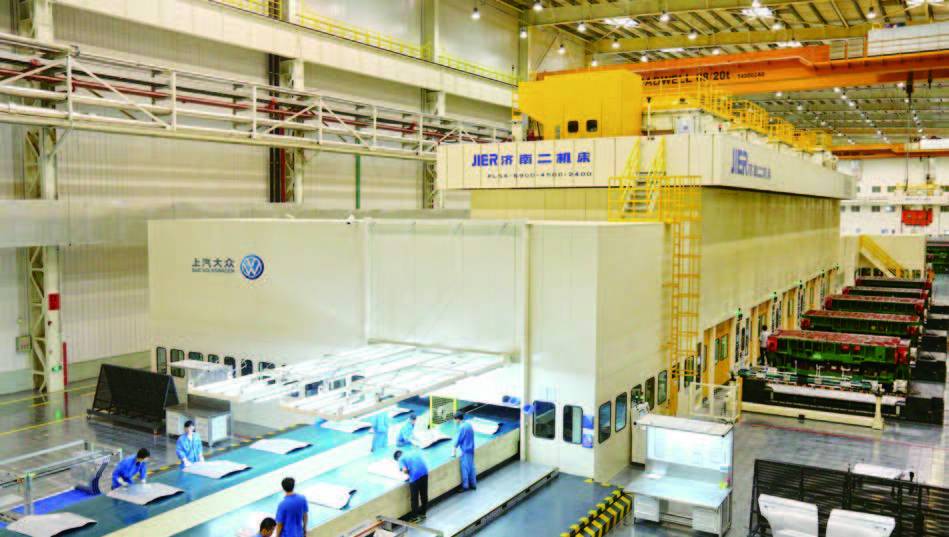
High-Speed Flexible Fully Automatic Stamping Production Line
JIER Machine-Tool Group Co., Ltd.