Global Angle Seat Valve Market Expected to Reach $530 Million by 2032
en.Wedoany.com Reported - The global angle seat valve market is projected to reach $380 million by 2026 and grow to $530 million by 2032, at a compound annual growth rate (CAGR) of 5.9% during the forecast period.
Key factors driving market growth include increased investment in industrial automation, hygienic processing, and smart manufacturing, as well as rising demand for reliable fluid control in industries such as food and beverage, pharmaceuticals, chemicals, water and wastewater treatment, semiconductors, and power generation. Stringent hygiene and safety regulations, along with a focus on operational efficiency and energy management, are further boosting market development. Major players such as Emerson, GEMÜ Group, Bürkert Fluid Control Systems, Festo, and Danfoss are strengthening their market positions through product innovation and strategic initiatives, launching intelligent pneumatic angle seat valves with integrated IoT monitoring, digital position feedback, and predictive maintenance capabilities.
By material, the stainless steel segment is expected to account for approximately 48% of the market share during the forecast period. By operation mode, the electric segment is projected to grow at a CAGR of around 9.9% from 2026 to 2032. By valve type, the double-acting segment is expected to register a CAGR of approximately 7.6% during the forecast period. By size, the above 2-inch segment is anticipated to achieve the highest CAGR from 2026 to 2032. By media, the liquid segment is expected to dominate the market. By pressure rating, the 10-20 bar segment is projected to experience the highest growth rate from 2026 to 2032. By end-use industry, the food and beverage segment is expected to lead the market. By region, Asia Pacific is forecast to hold approximately 36% of the market share in 2026.
The double-acting valve segment is expected to register the highest CAGR during the forecast period, driven by its fast switching speed, precise bidirectional pneumatic actuation, and performance in high-cycle industrial applications. These valves are widely used in industries such as food and beverage, pharmaceuticals and biotechnology, chemical processing, semiconductors, and water and wastewater treatment, enabling rapid opening and closing while maintaining stable operation and easy integration with automation control systems.
In terms of size, the ½–1 inch segment is expected to capture the largest market share by 2032. Angle seat valves in this size range are in high demand due to their widespread use in food and beverage, pharmaceuticals and biotechnology, chemical processing, water and wastewater treatment, and general industrial sectors. Their compact design and high flow efficiency make them suitable for medium-flow applications.
Asia Pacific is expected to hold the largest share of the angle seat valve market during the forecast period, primarily driven by rapid industrialization, manufacturing expansion, and rising adoption of industrial automation in economies such as China, India, Japan, and South Korea. China holds a major market share in the region, supported by its large-scale manufacturing base and investments in smart factories. Additionally, investments in hygienic processing, water infrastructure, and Industry 4.0 initiatives further enhance market growth in the region.
Key players in the angle seat valve industry include Emerson Electric Co. (USA), GEMÜ Group (Germany), Bürkert Fluid Control Systems (Germany), Festo Corporation (Germany), Danfoss (Denmark), Crane Holdings, Co. (USA), Parker Hannifin (USA), Samson AG (USA), KSB SE & Co. KGaA (Germany), and Neway Valve (China).
Related Products

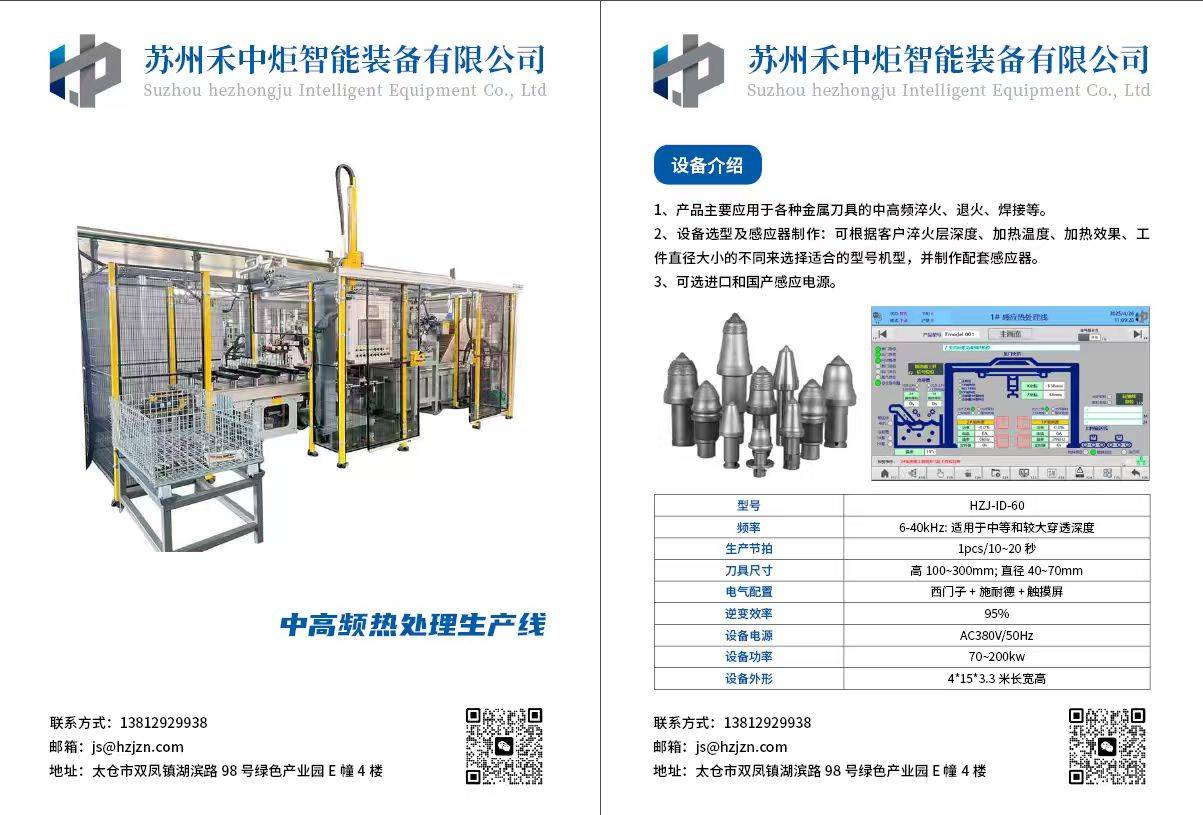
Excavator Bucket Teeth Heat Treatment Production Line
Suzhou Hezhongju Intelligent Equipment Co., Ltd.
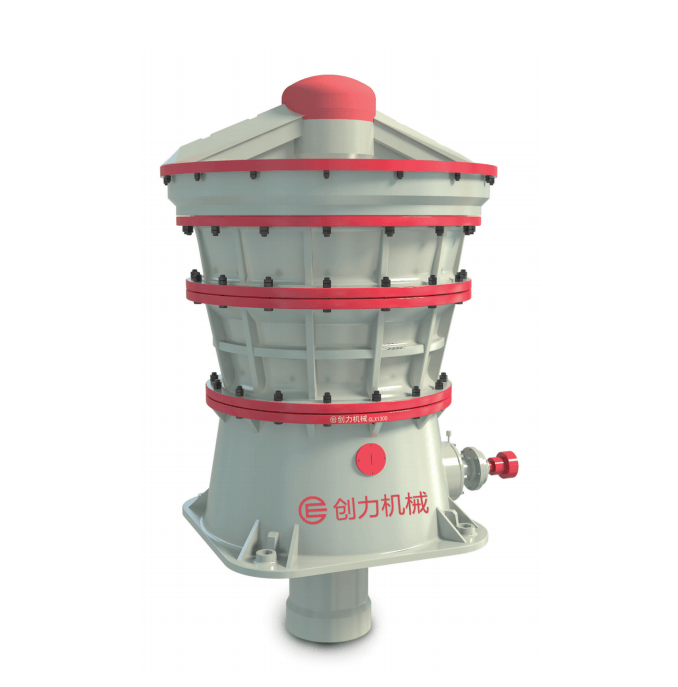
CLX Series Intelligent Hydraulic Gyratory Crusher
Guangdong CHUANGLI intelligent machinery Equipment Co., LTD
Strip Coating and Plating Production Line Equipment
MCC-SFRE HEAVY INDUSTRY EQUIPMENT CO., LTD.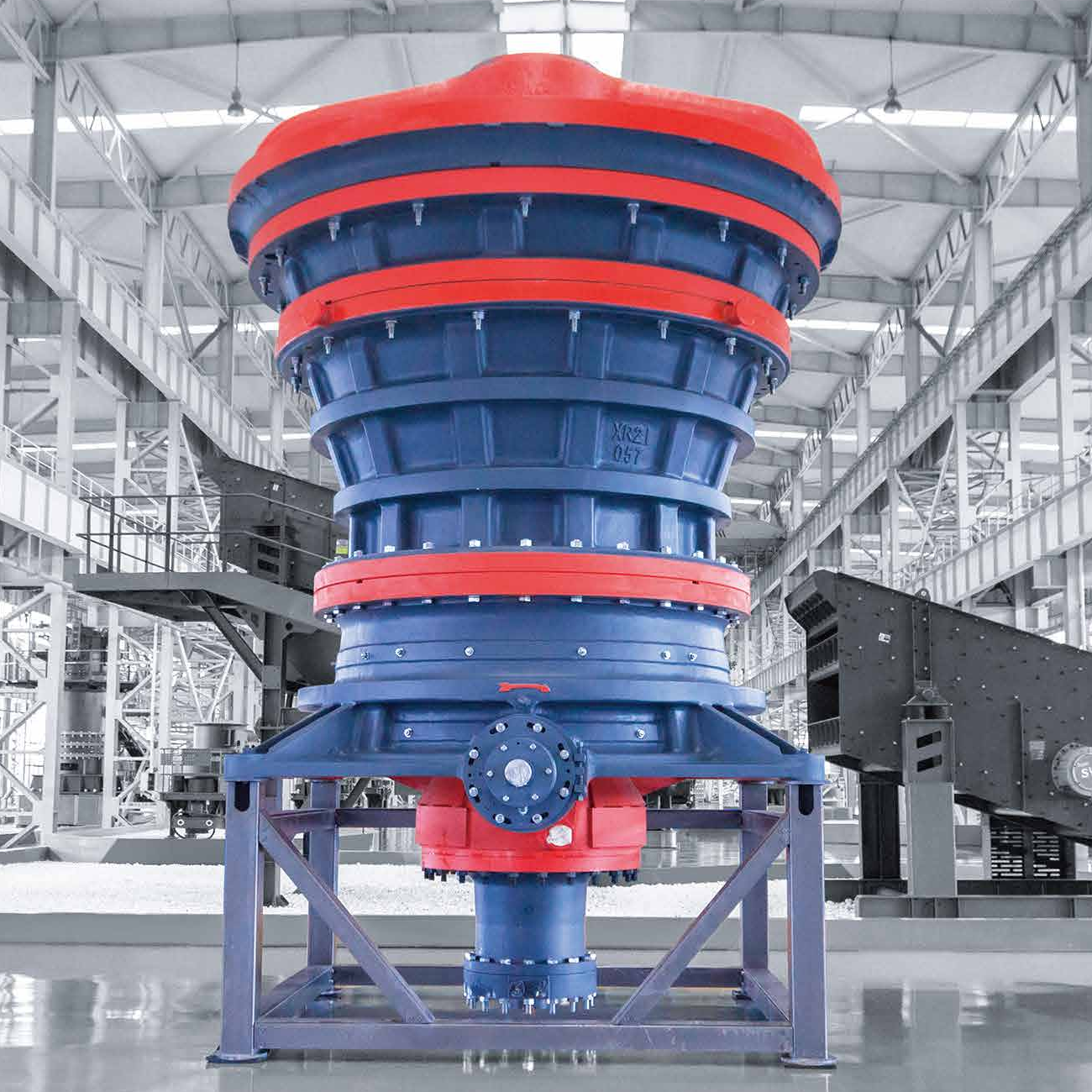

CAP1400 main feedwater flow nozzle flowmeter.
Jiangsu Hongda Instrument Technology Co., LTD.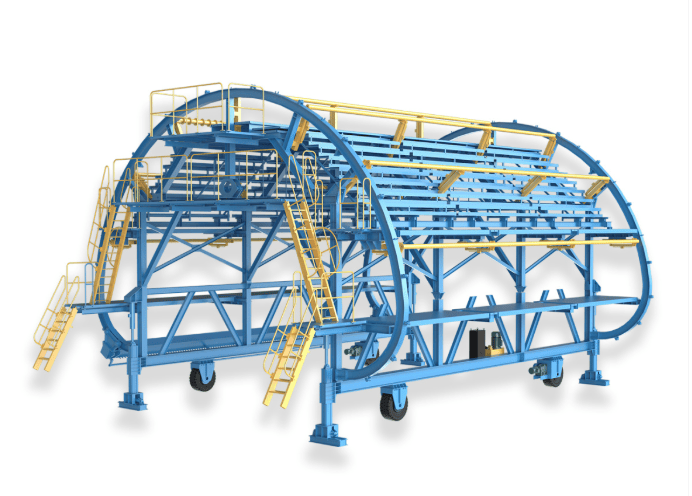
QLZNGJ Intelligent Steel Reinforcement Trolley
Luoyang China Railway Qiangli Machinery Co., Ltd.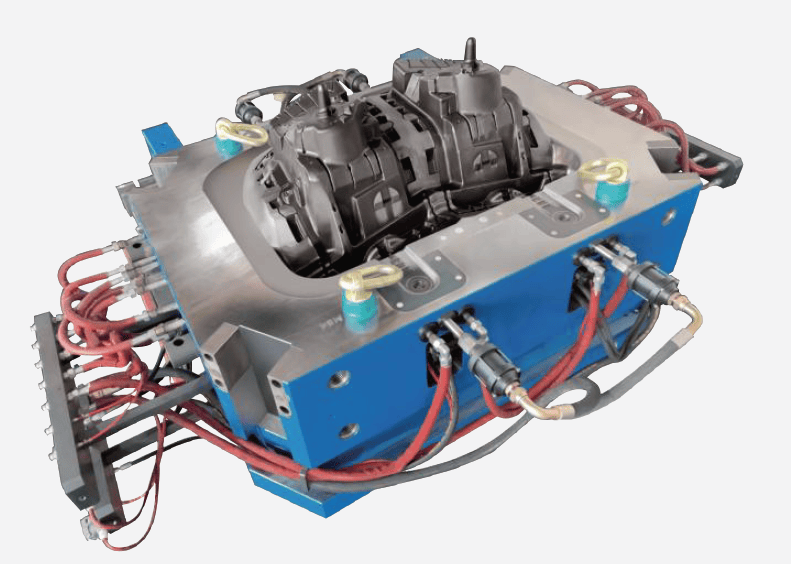
Aluminum-Magnesium Alloy High-Pressure Die-Casting Molds
NINGBO HELI TECHNOLOGY CO., LTD.