Mitsubishi Electric Develops Plate Heat Exchanger with Heat Transfer Performance Approximately 3 Times That of Conventional Models
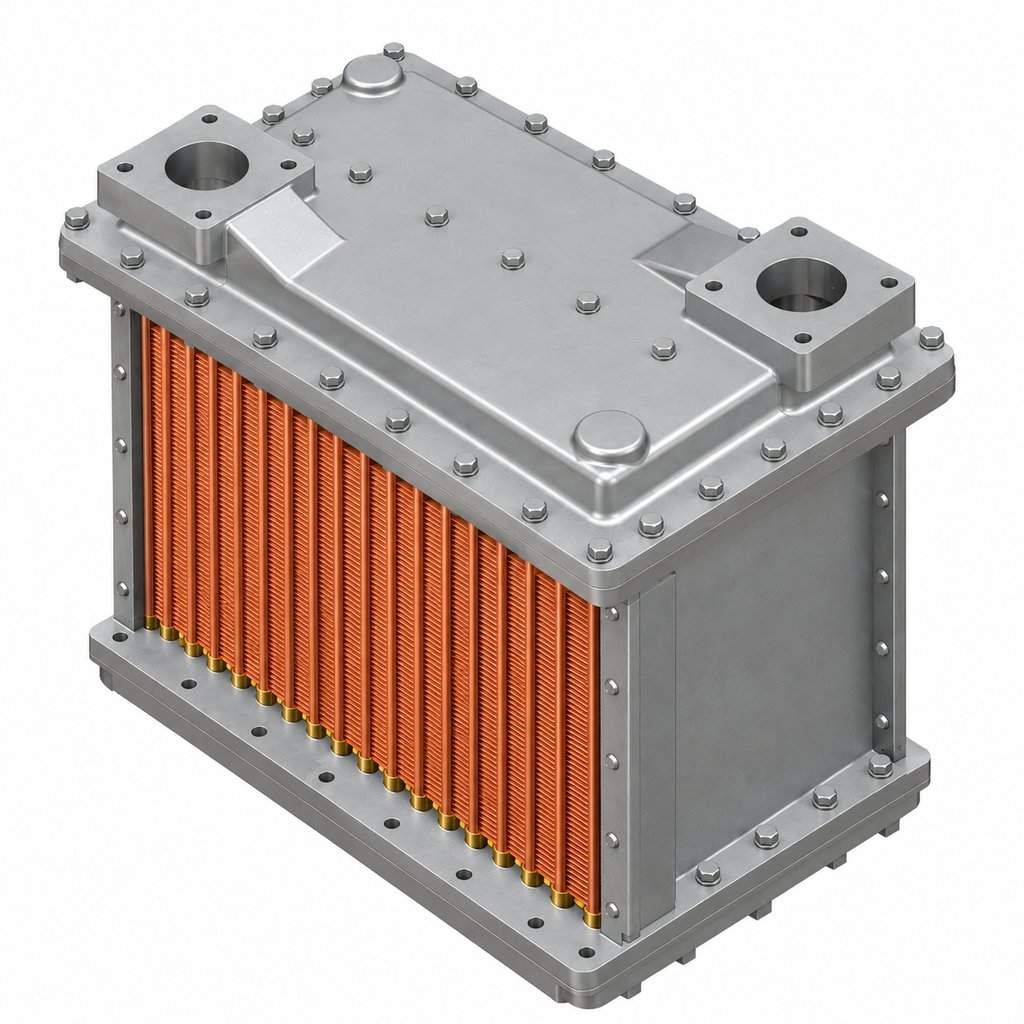
en.Wedoany.com Reported - On September 14, Mitsubishi Electric announced the development of a new plate heat exchanger for heat pump heating and cooling equipment. By adding distribution channels at the fluid inlet and outlet and arranging micro staggered fins between the plates, the refrigerant gas-liquid two-phase flow is distributed more evenly within the heat exchange plates. Company tests show that the new structure achieves heat transfer performance approximately 3 times that of its conventional grooved plate heat exchanger, while also reducing the number of heat exchange plate layers, cutting the refrigerant charge inside the heat exchanger to approximately one-third of conventional levels.
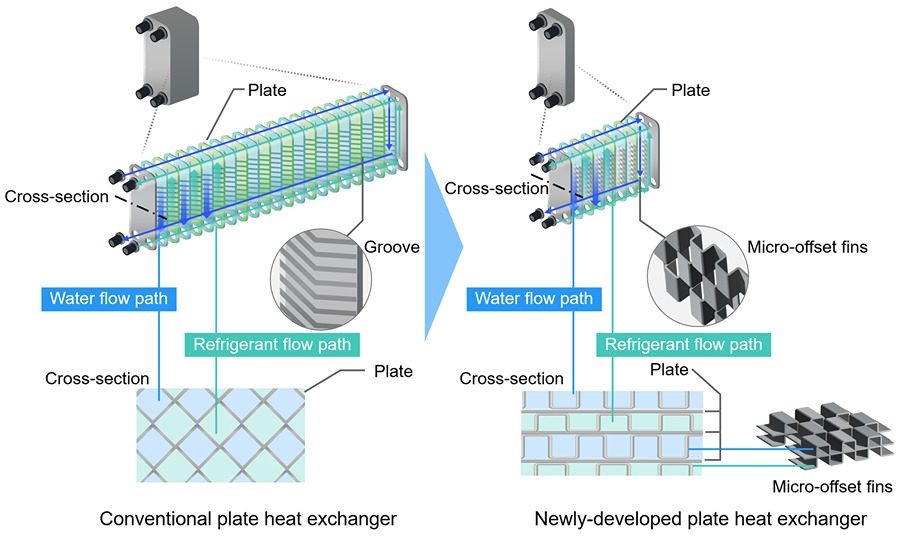
Mitsubishi Electric's focus this time is on solving the problem of uneven two-phase refrigerant distribution in high-performance heat pump equipment. Conventional grooved plate heat exchangers face structural limitations when further improving heat transfer efficiency, and simply adding micro staggered fins between the plates may still result in uneven distribution of gaseous and liquid refrigerant across the plate surface, affecting overall heat exchange performance. The new structure features dedicated distribution channels at the inlet and outlet, allowing the refrigerant to achieve flow equalization before entering each micro-fin region.
The positions of the distribution channels were optimized using Mitsubishi Electric's proprietary analysis technology. This technology can simulate the complex gas-liquid two-phase state of refrigerant flowing between fine fins and adjust the channel layout accordingly. Through this design, the heat exchanger can improve heat exchange capacity per unit volume while reducing the number of plate layers, thereby directly reducing the amount of refrigerant required by the system.
Refrigerant reduction is an important engineering metric of this technology. Mitsubishi Electric stated that low global warming potential refrigerants such as R32 are increasingly being adopted in heat pump equipment, but some next-generation refrigerants are flammable. Therefore, reducing the system's internal charge while maintaining cooling and heating performance can simultaneously reduce safety risks in the event of a leak. The new heat exchanger compresses internal refrigerant demand to approximately one-third that of conventional structures, providing a new structural solution for equipment that subsequently adopts low-GWP refrigerants.
This technology is not only intended for stationary air conditioning equipment, but can also be applied to water-based heating and cooling equipment, electric vehicle heat pump systems, and air-cooled air conditioning products. Mitsubishi Electric stated that it will subsequently promote the introduction of this heat exchanger technology across different product lines. Specific mass production timing, first models to be equipped, and additional production capacity plans have not yet been announced.
Related Products


Industrial and Commercial Point-Type Gas Detector
Jinan Benan Technology Development Co., Ltd.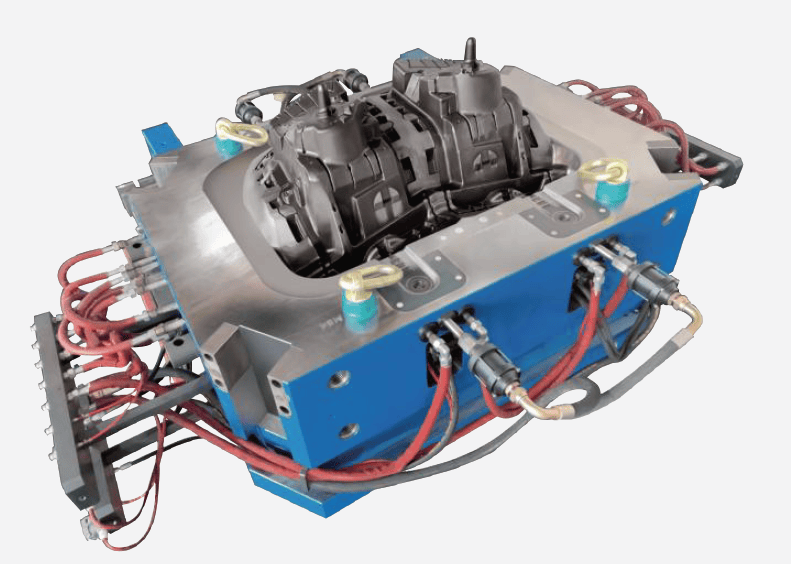
Aluminum-Magnesium Alloy High-Pressure Die-Casting Molds
NINGBO HELI TECHNOLOGY CO., LTD.

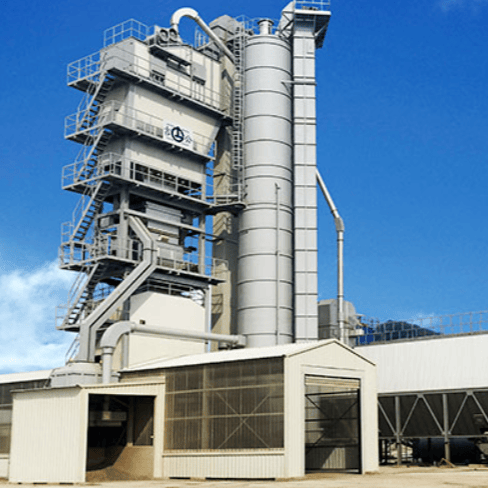
LBH4000 Batch Environmental Protection Asphalt Mixing Plant | Asphalt Batching Plant | Asphalt Mixing Plant
Jilin Province Road Construction Machinery Co., Ltd.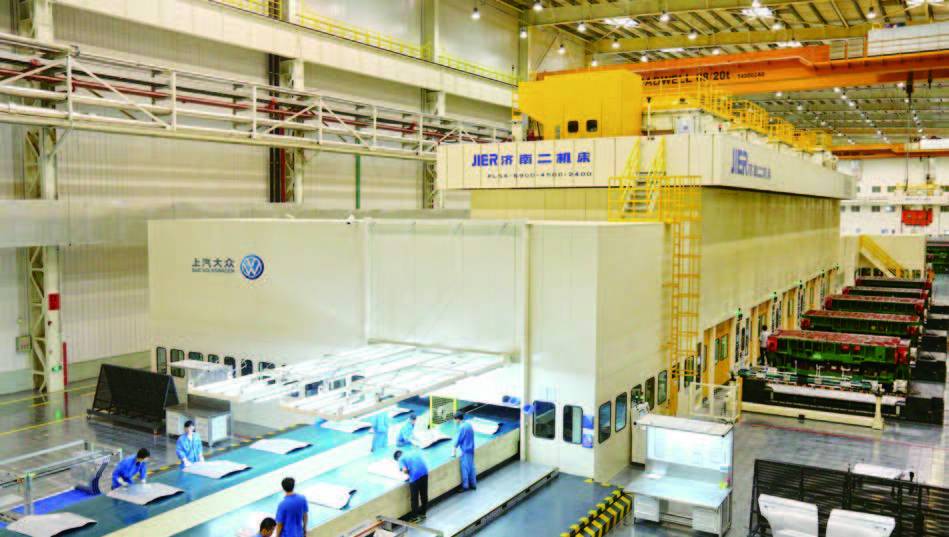
High-Speed Flexible Fully Automatic Stamping Production Line
JIER Machine-Tool Group Co., Ltd.
Standard Nozzle Flowmeter
Jinggong Automatic Control Instrument Complete Technology Development Company