Discussion on Optimization Strategies for Nitrogen Fertilizer Management in Dwarf Maize
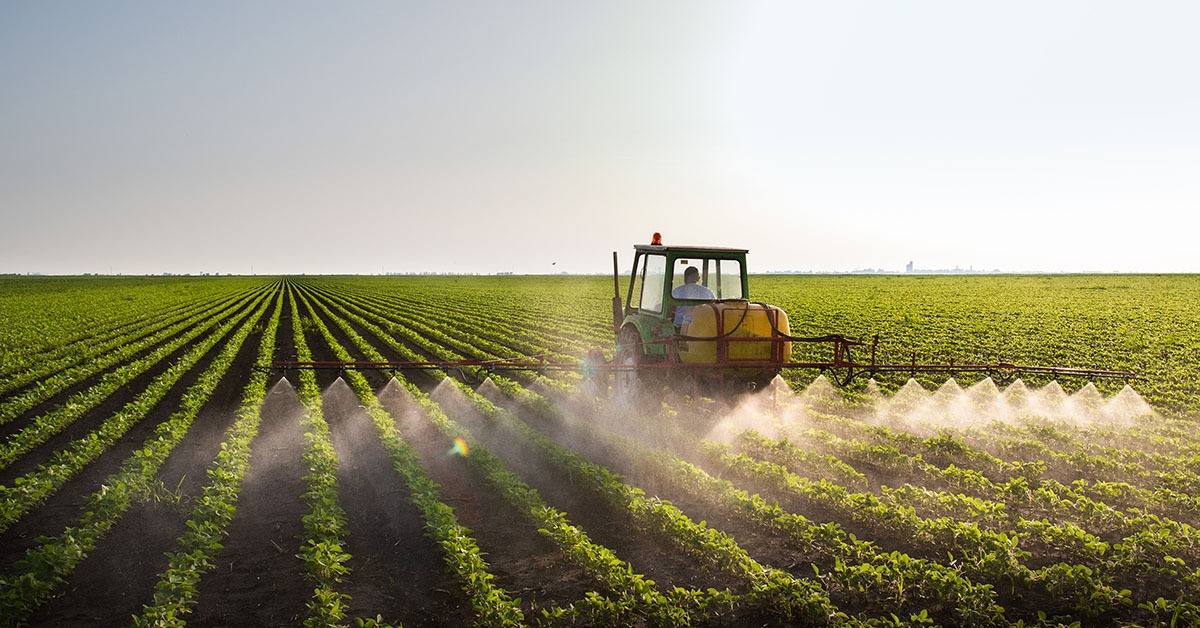
Wedoany.com Report on Feb 10th, As dwarf maize varieties move from experimental plots to actual cultivation, farmers are discovering that their advantages extend beyond just lodging resistance. In a recent analysis, Jeff Coulter, an Extension Agronomist at the University of Minnesota, pointed out that this crop's nutrient use efficiency, particularly its nitrogen management approach, is crucial for long-term farm adaptation.
Coulter stated: "One study found that dwarf hybrids have a 35% to 42% greater total root biomass and deeper root systems compared to standard-height hybrids." This expanded root network allows dwarf maize to capture water and nutrients more effectively, achieving yields comparable to traditional varieties despite their shorter stature.
Research indicates that dwarf maize exhibits higher efficiency in nitrogen utilization. Key data includes: a 3.5% increase in the Nitrogen Harvest Index, meaning more nitrogen is directed into the grain; a 20% higher total above-ground nitrogen uptake from silking to maturity compared to conventional hybrids; and an 18.5% improvement in Nitrogen Fertilizer Recovery Efficiency. Coulter noted: "If you have higher nitrogen uptake, that means there is potentially less nitrogen left in the soil to be lost." This helps reduce the risk of nitrate leaching after harvest.
Regarding nitrogen application strategies for dwarf maize, studies in Illinois and Indiana show that split applications are significantly effective. Coulter said: "Compared to applying all nitrogen near planting, researchers found that splitting the application—applying half at the V6 stage—increased yield in 60% of the dwarf maize trials." However, delaying the second application until the V12 stage showed yield benefits in only about 25% of the trials.
For growers, Coulter offers specific advice: Maintain application rates without reduction, as dwarf maize is often planted at higher densities, potentially reaching 40,000 to over 50,000 plants per acre, and total nutrient demand may be slightly higher than in traditional systems; prioritize in-season fertilization at the V6 growth stage; and leverage the shorter plant stature to conduct strip trials comparing different fertilization programs.
Dwarf maize is still in the early stages of adoption, requiring further research to optimize economic nitrogen rates, starter fertilizer response, and phosphorus/potassium utilization. Currently, this variety demonstrates a comprehensive set of advantages including yield potential, lodging resistance, efficient root systems, and flexible fertilizer management, offering new options for agricultural production and environmental protection.
Related Products

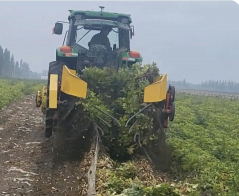
4HS-8 High-efficiency Peanut Inverted-laying Harvester
Hebei Yongfa Hongtian Agricultural Machinery Manufacturing Co., Ltd.
714CD Series C-Band Weather Radar
Chengdu Zhongdian Jinjiang Information Industry Co., Ltd.
Industrial and Commercial Point-Type Gas Detector
Jinan Benan Technology Development Co., Ltd.