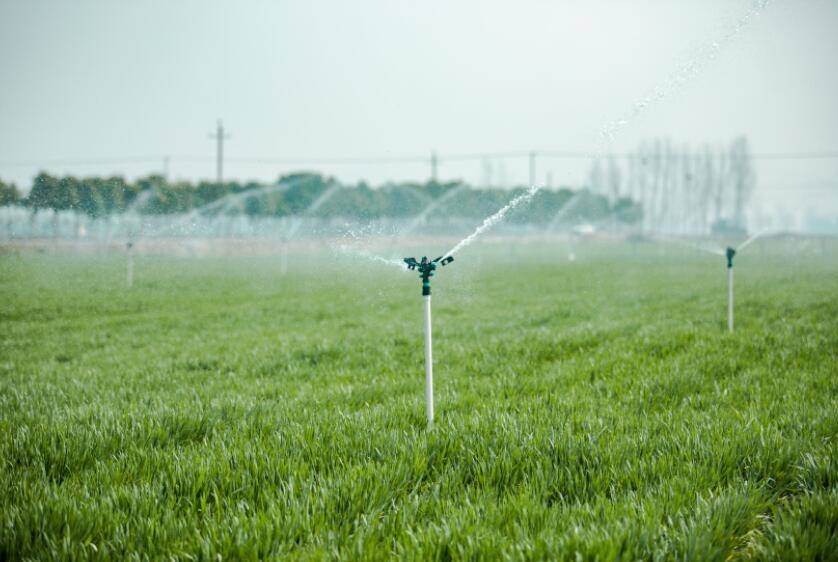
Wedoany.com Report-Sept. 29, Egypt, with a population of 108 million, requires 20 million tonnes of wheat annually to meet rising demand, according to a September 22, 2025, report by the Foreign Agricultural Service (FAS) of the US Department of Agriculture. Domestic production covers approximately half of this need, with the 2025-26 wheat harvest expected to reach 9.2 million tonnes, up from 9 million tonnes in the previous season. Wheat imports are projected to rise to 12.7 million tonnes from 12.5 million tonnes.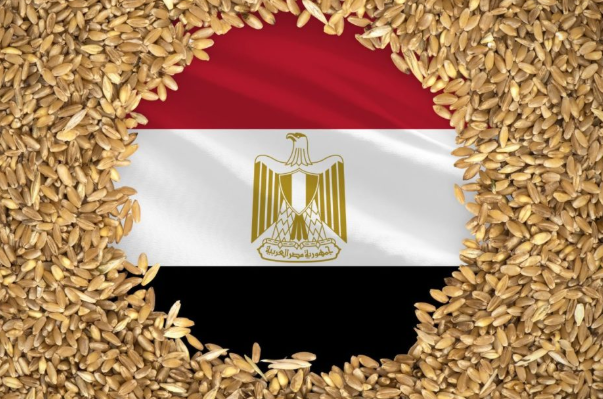
Wheat planting typically occurs in November, with harvests in April. “The country is highly price-sensitive and depends heavily on Russian and Ukrainian wheat due to its competitive pricing, lower freight costs, and faster delivery to Egyptian ports compared to other suppliers,” the FAS noted. High government procurement prices have encouraged farmers to expand wheat cultivation, supporting a subsidy program that ensures affordable bread for most citizens.
Egypt remains a leading global wheat importer, with private industry increasing its import share to supply flour exports and local bakeries. Wheat flour exports for 2025-26 are estimated at 1 million tonnes, a 23% decrease from 1.3 million tonnes in 2024-25, due to stricter government regulations balancing domestic needs with exports. “In the past few years, Egypt has continued to increase its position as a key supplier of wheat flour to many African and Middle Eastern countries,” the FAS reported, noting demand in regions with disrupted production.
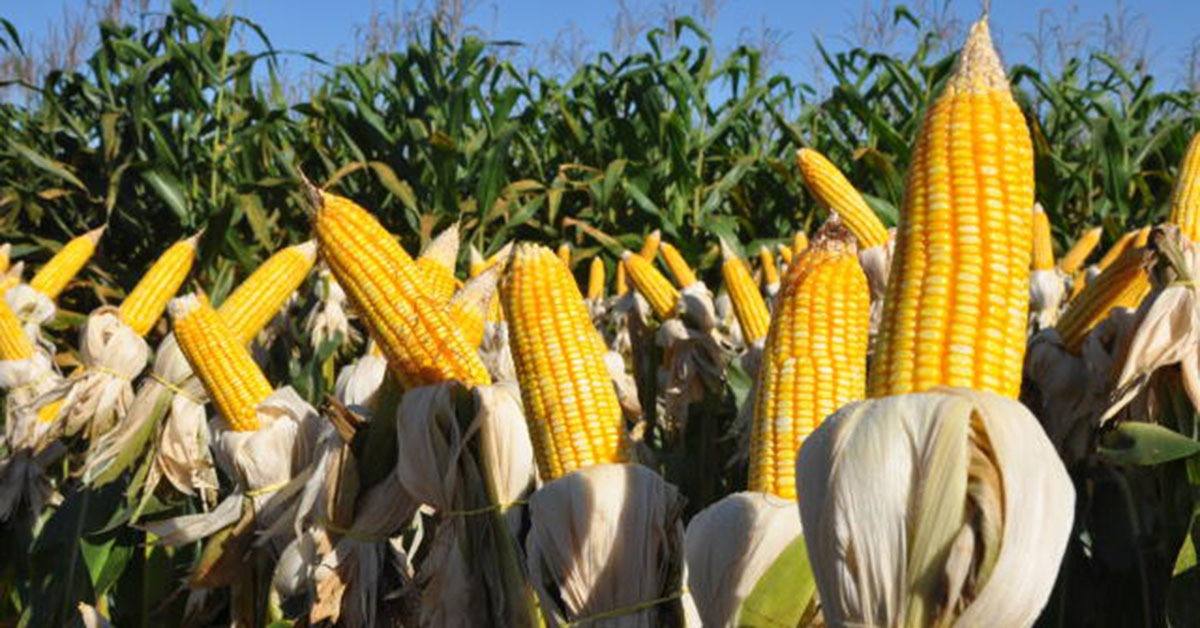
Corn production for 2025-26 is forecasted at 6.7 million tonnes, down 7.6% from earlier estimates due to excessive heat and insect damage during the growing season. Corn consumption, driven by the poultry sector, is expected to reach 16.5 million tonnes, a 4.4% increase year-on-year. To meet demand, Egypt will import 9.5 million tonnes, primarily from Brazil, Ukraine, and Argentina. “The positive outlook in feed consumption is reinforced by new government licenses for livestock and poultry projects aimed at increasing local production and reducing imports,” the FAS stated.
Rice production is projected to rise to 4.2 million tonnes in 2025-26, up 7.7% from the previous year’s 3.9 million tonnes, driven by lower production costs compared to other summer crops. Consumption remains steady at 4 million tonnes, with imports of 140,000 tonnes supporting demand. Increased rice cultivation reflects farmers’ response to favorable economics, despite set cultivation limits.