Trump Approves Nvidia’s H200 AI Chip Sales to China
Wedoany.com Report-Dec.10, The United States has approved the export of Nvidia's advanced H200 artificial intelligence chips to approved customers in China and other markets, President Donald Trump announced on Monday. The decision follows advocacy from Nvidia CEO Jensen Huang for adjustments to existing export restrictions on high-performance semiconductors.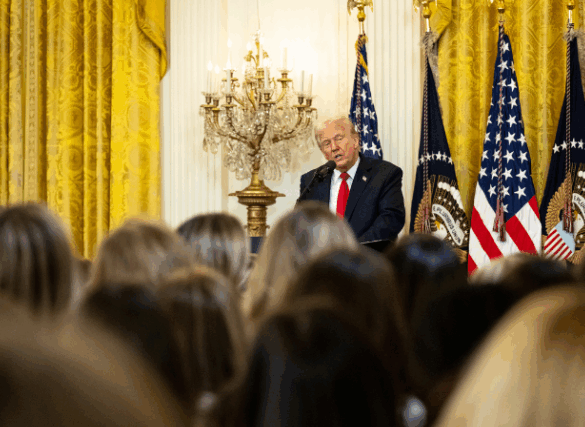
In a post on Truth Social, Trump stated: "I have informed President Xi, of China, that the United States will allow Nvidia to ship its H200 products to approved customers in China, and other Countries, under conditions that allow for continued strong National Security. President Xi responded positively."
Commerce Department officials are finalizing implementation details, with shipments subject to vetting processes to ensure compliance with security standards. Trump indicated that similar export permissions would extend to other semiconductor manufacturers, including Advanced Micro Devices and Intel.
The H200 processor represents Nvidia's second-generation high-performance chip, offering substantially greater capabilities than the H20 variant previously adapted for the Chinese market. The H20 had also faced regulatory limitations earlier in the year. This approval enables Nvidia to access a significant portion of its former business in the region while maintaining controls on the company's most recent architectures, such as Blackwell.
Under the agreement, the U.S. government will receive 25 percent of proceeds from these sales, an increase from the 15 percent rate previously discussed with Nvidia. The surcharge is structured as an import tax applied during the security review process for chips manufactured in Taiwan.
Nvidia welcomed the development, describing it as a balanced approach that supports American innovation and employment in the technology sector. The company emphasized that vetted commercial customers would benefit from access to reliable hardware for artificial intelligence applications.
The move aligns with broader efforts to sustain U.S. leadership in semiconductor design and production amid global demand for advanced computing resources. It comes after months of consultations involving industry stakeholders and government agencies, reflecting a pragmatic adjustment to prior policies.
Earlier this year, Trump had raised concerns regarding Intel CEO Lip-Bu Tan's professional connections, including reported investments in technology firms with ties to international entities. Despite those comments, the administration's current framework applies uniformly across major U.S. chip producers to foster consistent market participation.
Trump has also engaged constructively with other technology executives in recent months, including Meta's Mark Zuckerberg, OpenAI's Sam Altman, and Tesla's Elon Musk, signaling a collaborative approach to advancing domestic capabilities in artificial intelligence and related fields.
This policy shift is expected to enhance supply chain stability for approved end-users while preserving safeguards for sensitive technologies. Nvidia shares advanced approximately 2 percent in after-hours trading following the announcement, indicating market optimism about potential revenue recovery in key regions. The arrangement underscores ongoing dialogue between U.S. and Chinese authorities on technology trade, with both sides expressing interest in mutually beneficial outcomes.
Related Products

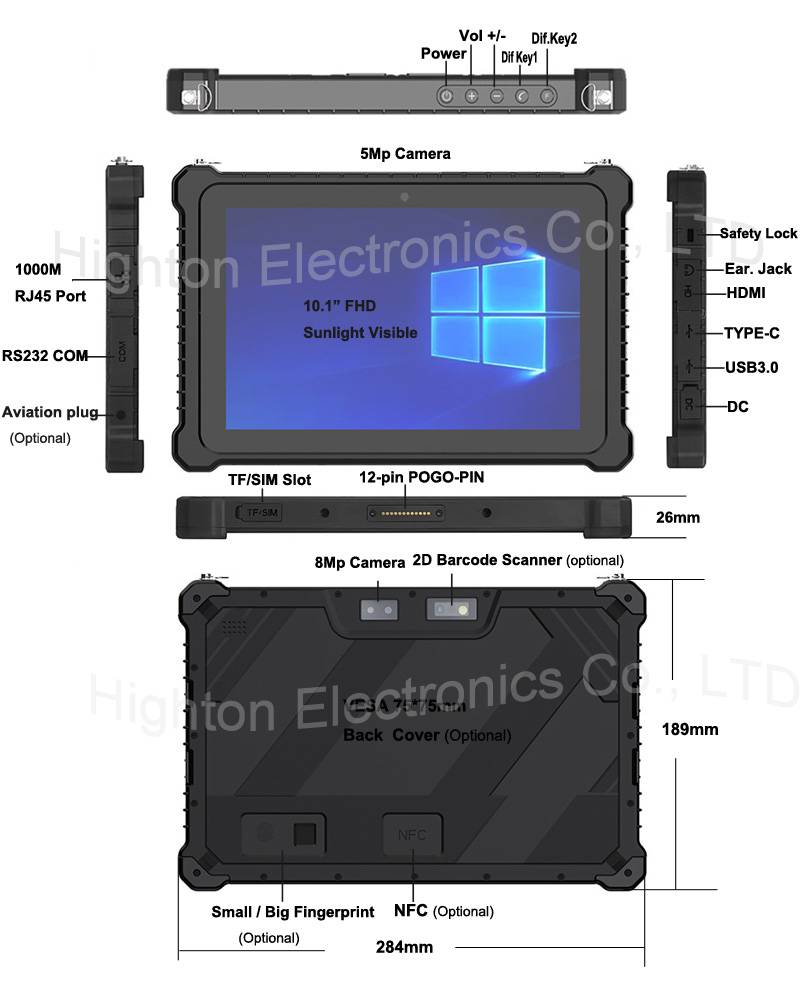
Hot Selling 10 Inch Intel N5100 I5 I7 FHD 8 +128GB 16+256GB Win10 Pro Win11 Pro 4G 5G Rugged Tablet PC Pad with NFC Barcode
Highton Electronics Co., Ltd.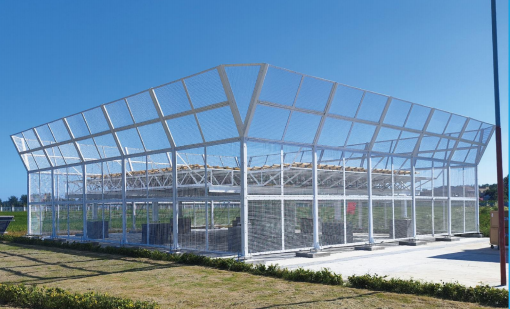
TWP16 P-Band Tropospheric Wind Profile Radar
China Huayun Meteorological Technology Group Co., Ltd.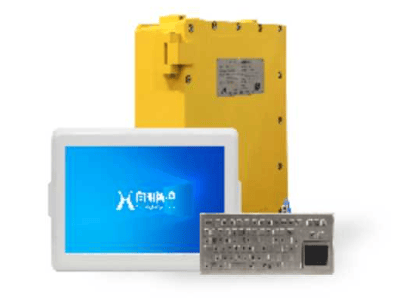
KJD127(A) Mining Explosion-Proof and Intrinsically Safe Computer
Taiyuan Xiangming Intelligent Control Technology Co., Ltd.

MUX Series Communication Interface Device for Security and Stability Control System
Nanjing NR Electric Co., Ltd.
Automatic Aiming Laser Remote Obstacle Removal Robot
Pinggao Group Weihai High-Voltage Apparatus Co., Ltd.
Mine Explosion-proof and Intrinsically Safe Industrial Ethernet Ring Network (10 Gigabit/Gigabit)
Chongqing Mas Sci&Tech Co., Ltd.